KY Ethics Commission lawyers ask judge to dismiss Rep. Grossberg’s lawsuit
AI-generated summary reviewed by our newsroom.
- KLEC lawyers seek dismissal of lawsuit by Rep. Grossberg over ethics probe.
- Commission argues legislative immunity does not block disciplinary inquiry.
- Ethics case cites misconduct claims; next public hearing date remains unscheduled.
READ MORE
Investigation into Louisville Rep. Daniel Grossberg
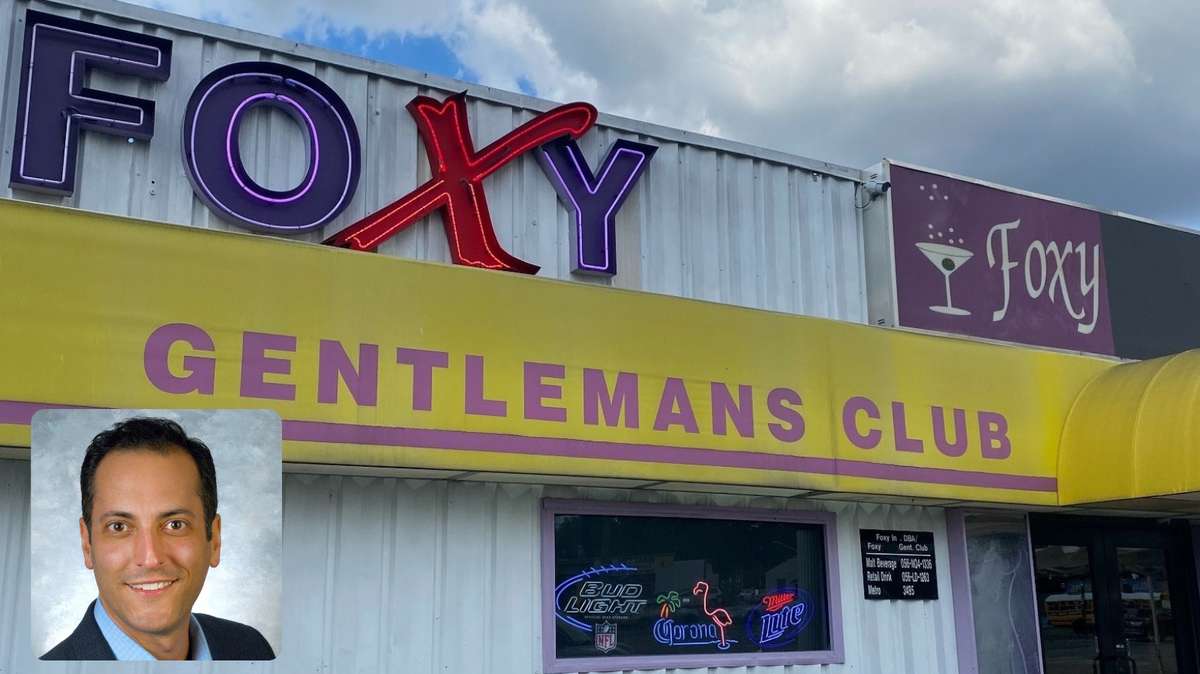
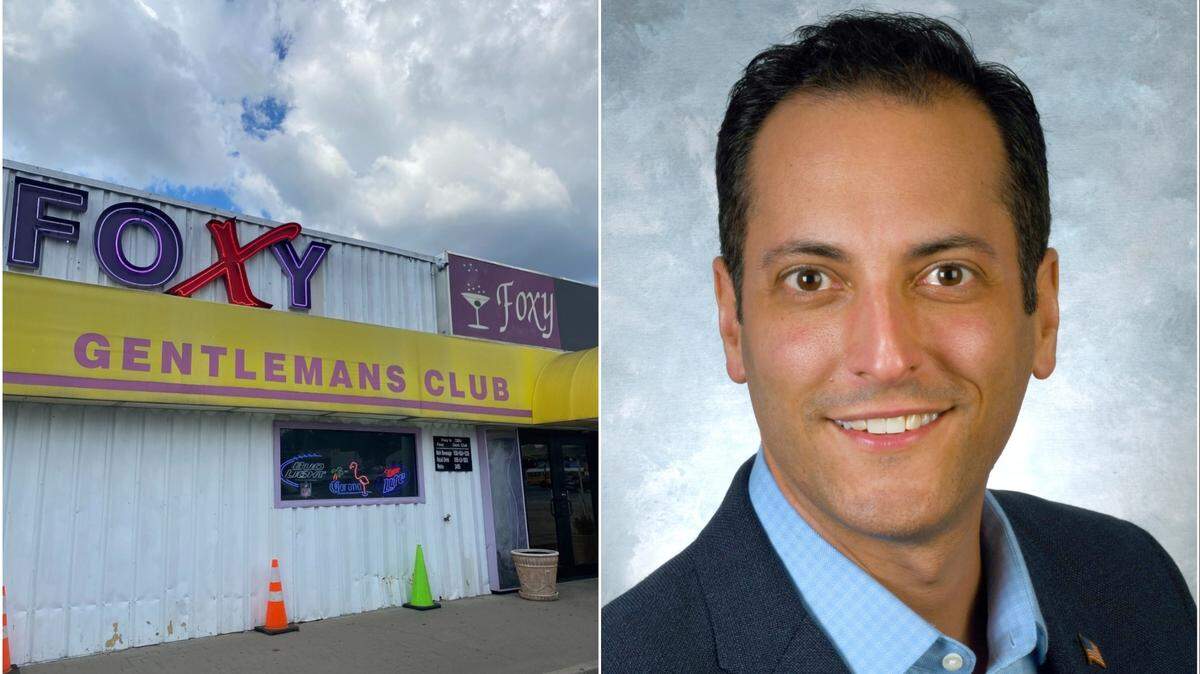
A Herald-Leader investigation into allegations of sexual harassment involving Rep. Daniel Grossberg, D-Louisville, revealed he intimidated and harassed multiple women in and around Kentucky politics. He also was allegedly aggressive and threatening toward dancers in a Louisville strip club.
Expand All
The Kentucky Legislative Ethics Commission has asked a judge to dismiss a lawsuit against it that was filed last month by state Rep. Daniel Grossberg, who is being investigated by the commission for alleged misconduct.
The commission is following its statutory obligation to investigate the complaints filed last year against the Louisville Democrat, and as an elected representative, he does not have immunity from the outcome of that investigation, lawyers for the commission argued in their July 18 request for dismissal.
“By asserting legislative immunity and asking this court to enjoin KLEC from investigating the complaints, (Grossberg) is asking this court to stymie the legislative branch’s efforts to determine whether disciplinary action . . . is appropriate,” Lindsey Keiser and Aaron Silletto, attorneys with Attorney General Russell Coleman’s office, wrote.
“Legislative immunity is not so broad as to prevent the legislative branch from exercising its proper and constitutional function of policing the conduct of its own members, and this court has no ability to prevent or interfere with (Grossberg’s) preliminary hearing before KLEC, which is a legislative proceeding,” they added.
Because the ethics commission has a “duty to determine whether (Grossberg) violated the Kentucky Code of Legislative Ethics . . . this action should be dismissed,” lawyers wrote.
A hearing in the petition for dismissal is scheduled for Wednesday, July 30 before Franklin Circuit Judge Phillip Shepherd.
Thomas Clay, Grossberg’s attorney, did not immediately respond to a Herald-Leader request for comment Wednesday morning.
‘Bald and conclusory’ claims
Earlier in July, the nine-member ethics commission found probable cause that Grossberg violated the state ethics code on three different counts, including when he threatened the manager of a Louisville strip club after being thrown out and banned for life for attempting to touch a dancer, and when he invited a young woman to his legislative office in 2023, asked her sexually probing questions and offered her alcohol.
Nowhere in the Kentucky Code of Legislative Ethics is it considered ethical misconduct to perpetrate sexual harassment — a reality the commission has formally asked the General Assembly to change in its 2026 regular session.
That July 8 decision from the commission came after hours of testimony from complainants and Grossberg that began at a June 17 preliminary inquiry hearing.
Grossberg has been the subject of public scrutiny for a year, after the Herald-Leader first reported the state Legislative Research Commission was investigating his conduct. Multiple reports have detailed inappropriate and harassing behavior from Grossberg toward women that date back to his time in college.
Grossberg has long maintained his innocence. The next step in the process is a public adjudicatory hearing, which has not yet been scheduled.
Prior to the June 17 preliminary inquiry hearing, the two-term lawmaker attempted to block the ethics commission from moving forward with its investigation by filing a lawsuit against its members in Franklin Circuit Court.
The 23-page complaint asked for immediate relief for Grossberg, who claims his constitutional rights are being infringed upon, and that he’s the target of harassment and discrimination by fellow Democrats and members of the commission because of his Jewish faith and “for the fact that he is neurodiverse,” according to the complaint.
Clay asserted that his client was “targeted for his faith as soon as he was elected to the legislature . . . this faith-based discrimination culminated in attacks on him because of his defense of Israel as hostility between Israel and Palestine escalated.”
A judge quickly denied that request.
Though Grossberg has not appealed, the commission’s lawyers are asking for it to be dismissed outright.
Keiser and Silletto argue that though Grossberg’s lawsuit is against members of the commission, the case he tries to build to show he has been denied certain rights cites examples of behavior from former lawmakers, not commission members.
“To meet the minimum pleading standard, the Plaintiff must identify the claims he is making and plead facts to support those claims,” Keiser and Silletto wrote.
Instead, the “bald, conclusory” claims he makes are against fellow lawmakers and their alleged coordinated cabal to silence him.
What’s more, they argue, Grossberg inaccurately cites and conflates what rights he’s afforded under state statute as an elected official.
For instance, Grossberg claims the ethics commission’s actions are “retaliatory and discriminatory,” but the section of statute and the Kentucky Constitution he cites to buttress that claim actually prohibits “discrimination in employment and public accommodations. But none of the defendants is (Grossberg’s) employer, (and) holding elective office as a state representative is not a public accommodation,” Keiser and Silletto explain.
On Grossberg’s claim that the commission and former lawmakers are penalizing him via the misconduct investigation for a speech he gave on the House floor when introducing a resolution condemning Hamas’ attack on Israel in 2023, they wrote, “even assuming (the complainants) had a discriminatory animus against (Grossberg), that has nothing to do with KLEC’s authority.”
The actual complaints filed to the commission about Grossberg “are not related to (his) floor speech,” they said, adding, “the bald and conclusory claim that the KLEC investigation and hearing process is a cover-up for discrimination is not sufficient.”
This story may be updated.
This story was originally published July 23, 2025 at 12:16 PM.