State watchdog agency sues KY Juvenile Justice to uncover incident reports
AI-generated summary reviewed by our newsroom.
- Protection and Advocacy sued KY Juvenile Justice to obtain incident reports.
- Allegations include pepper spray use and delayed treatment for broken bones.
- Suit seeks court order and injunction to compel records and stop interference.
A state agency that protects the rights of Kentuckians with disabilities is suing the Kentucky Department of Juvenile Justice for access to records about recent incidents of alleged abuse in one of its juvenile detention centers.
The Kentucky Protection and Advocacy Services Division filed a lawsuit Nov. 4 in U.S. District Court in Frankfort against Juvenile Justice Commissioner Randy White to gain access to incident reports.
“These are vulnerable children. It’s as simple as that, these are vulnerable children that are in the state’s care, and our access authority allows us to have these records,” Jeff Edwards, director of Protection and Advocacy, told the Herald-Leader on Friday.
“You know, a less trusting person would assume that they have something they’re trying to avoid disclosing to us,” Edwards added.
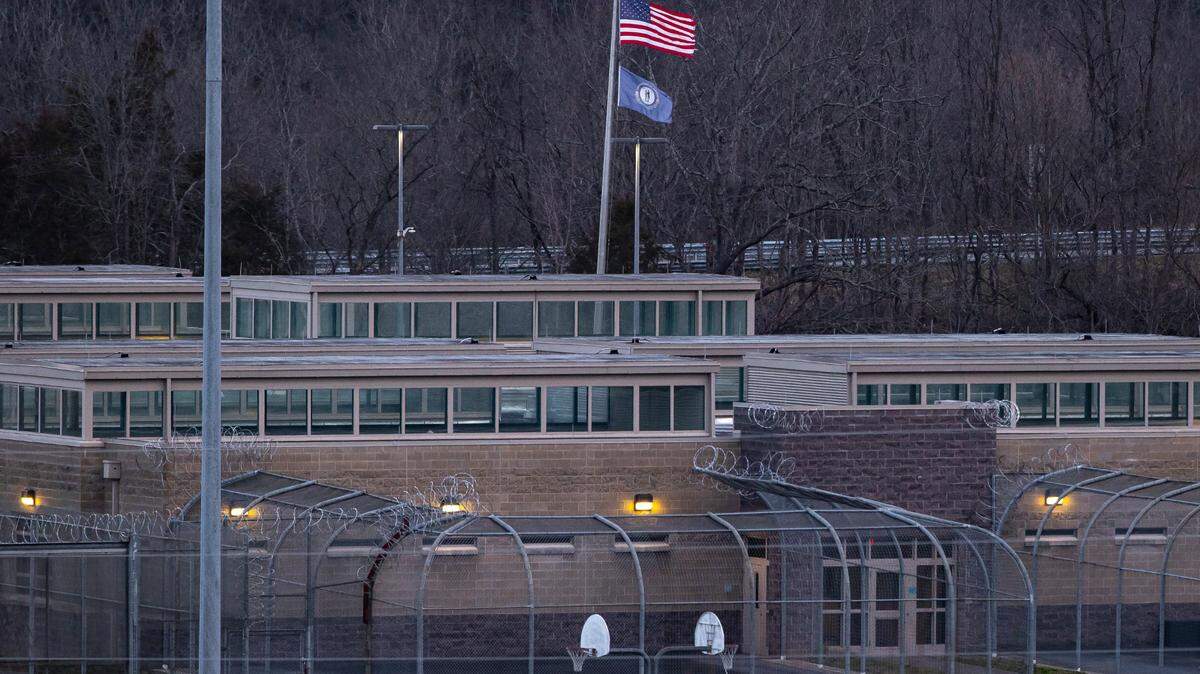
In the suit, Protection and Advocacy said two of its staff members visited the Adair Regional Juvenile Detention Center in Columbia on Oct. 1.
Youths housed at the facility told the Protection and Advocacy staff about incidents in recent days when one of them was pepper sprayed in the back of the head by guards while walking away from a fight, and another was forced to wait two days for medical treatment after a fight left him with broken bones in his arm and wrist, according to the suit.
A state social worker assigned to monitor the care of the boy with broken bones said she was not notified of his injuries by the Department of Juvenile Justice, according to the suit.
Both of the youths are 16 years old, have “mental health disabilities,” and are jointly committed to the custody of the Department of Juvenile Justice and the Cabinet for Health and Family Services, according to the lawsuit. However, when Protection and Advocacy repeatedly asked for incident reports about the incidents described by the youths, the Department of Juvenile Justice refused.
Lawyers for the Department of Juvenile Justice questioned the right of Protection and Advocacy to see the records, saying only the youths themselves can give permission to hand over any documents involving them.
But that’s not possible, Protection and Advocacy said.
“Here, both young men are minors and thus unable to authorize P&A to receive the incident reports,” Protection and Advocacy replied in its court filing. “The state is their legal guardian, and P&A has received complaints where there is probable cause to believe each of them was subject to abuse or neglect.”
The suit asks U.S. District Judge Gregory VanTatenhove to order the Department of Juvenile Justice to provide the incident reports and to issue an injunction preventing the department from interfering with Protection and Advocacy’s watchdog duties in the future.
The Department of Juvenile Justice told the Herald-Leader on Friday that it stood by its refusal.
“Protection and Advocacy must provide releases signed by the respective juveniles authorizing production of youth records,” department spokeswoman Morgan Hall said in a prepared statement. “Protecting juveniles’ confidential information is a top priority for the Department of Juvenile Justice.”
Edwards, the director of Protection and Advocacy, said his agency has kept a “monitoring presence” at the state’s juvenile detention facilities for the last several years.
The U.S. Department of Justice also is investigating the juvenile detention facilities for possible civil rights violations following years of critical news stories, a scathing state audit and multiple lawsuits filed by former residents and employees alleging mistreatment of those held in state custody.
Most recently, the Herald-Leader reported in October that staff at the juvenile detention centers routinely skip the mandatory every-15-minutes visual safety checks of youths locked alone in cells, and they falsify paperwork afterward to make it appear they performed those checks.
State officials acknowledged the problem with staff dishonesty and told the newspaper that reforms are coming.
This story was originally published November 7, 2025 at 11:16 AM.