
KY Dems decry new, temporary legislative chambers for lack of public access
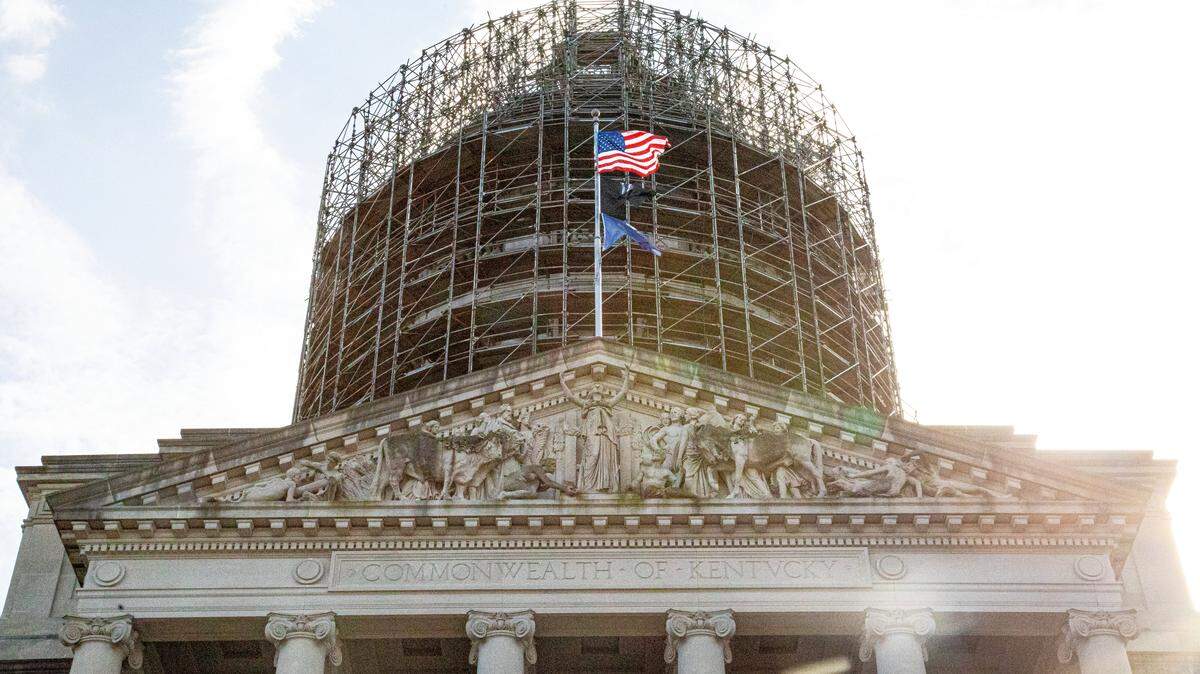
The Kentucky General Assembly began its 2026 session Tuesday with limited in-person accommodations for the public on Capitol grounds.
On the House floor during just 30 minutes of business, two Democrats suggested their peers in the GOP majority make changes to rules for session; they also called what was eventually put in place to dictate procedure a hindrance to transparency.
“I’m afraid that the rules take us further away from transparency,” said Rep. Lindsey Burke, D-Lexington, who is Minority Caucus Chair, Tuesday afternoon. “ ... I do think that as we move forward in a space that doesn’t allow the public to be present of what steps we can take to ensure that they’re fully informed about the work we’re doing.”
The Capitol is closed for the next several years while the building undergoes an almost $300 million renovation. While construction takes place, the state’s House of Representatives and Senate will conduct daily business in a temporary building attached to the Annex just behind the Capitol.
The public cannot access the temporary chambers; instead, they can watch proceedings via livestream from rooms in the Annex. In years past, people could watch the House or Senate from viewing galleries within the chamber.
Other state offices once housed in the Capitol, including for the judicial and executive branches, have relocated to other spots across Frankfort.
The Capitol Rotunda, previously used as a location for press conferences and protests, is also closed until renovations are complete.
Burke and Minority Floor Leader Rep. Pamela Stevenson, D-Louisville, expressed concern on the floor that space for dissent was too limited by rules pertaining to how the temporary chambers will operate this year and what may be years to come.
Mentions of the gallery were removed from House Resolution 2, the legislation meant to set the rules of procedure for session, as were sections on remote and alternative voting for legislators and some language on how many copies of bills must be produced and distributed.
A section was added to designate part of the temporary chambers for the governor’s office to receive bills from either chamber.
“The changes in the rules have resulted in less notice to the public, less transparency and less opportunity for these citizens of this state to engage,” Stevenson said Jan. 6. “The rule where we’re cutting the time for motions, petitions and communications, is another rule that limits the opportunity for us to speak for our constituents.”
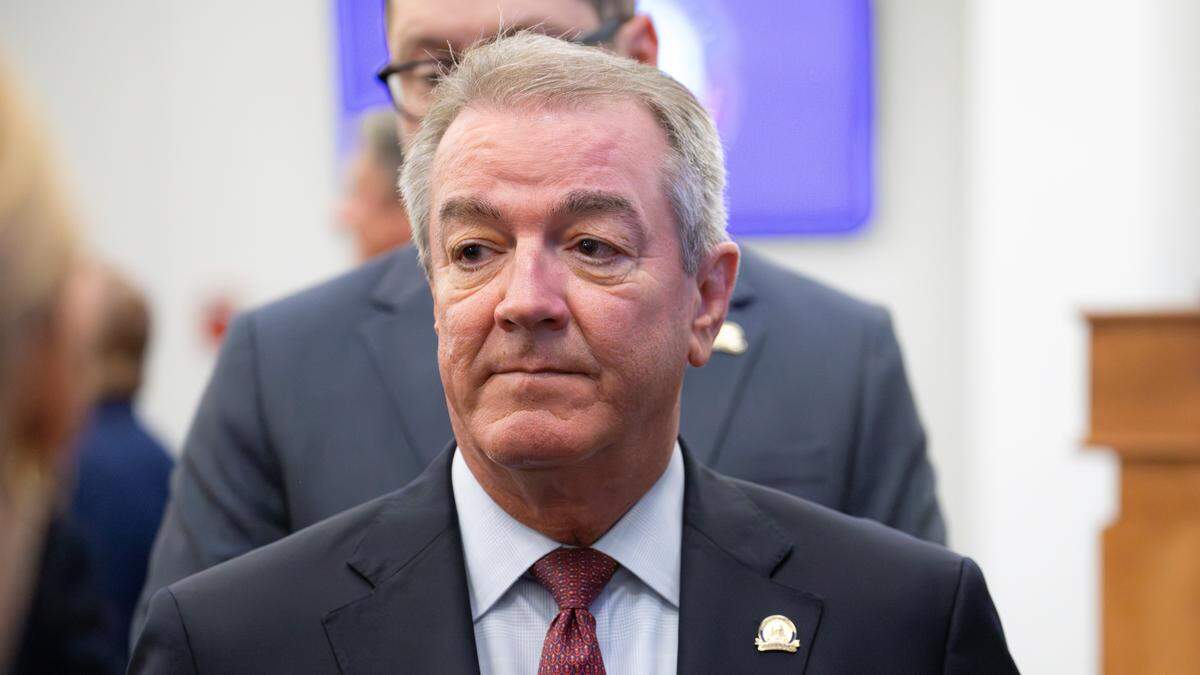
Republican leaders, however, aren’t worried the public’s business is happening behind closed doors in the same way Democrats are.
House Speaker David Osborne, R-Prospect, told reporters after the chamber adjourned that the Annex, where committees meet, is still open to the public and rooms in that building have been designated as public viewing rooms that will “act very much like a gallery would,” he said.
“It is certainly not the grand building that we’re used to meeting in,” Osborne said. “I can tell you that I have to remind our members that the work that goes on in here is just as important. We’re going to have to find inspiration in the work we do, as opposed to the building we serve in. This is still the Capitol.”
.JPG)