
Proposed KY grant program would pay for nuclear permitting, application fees
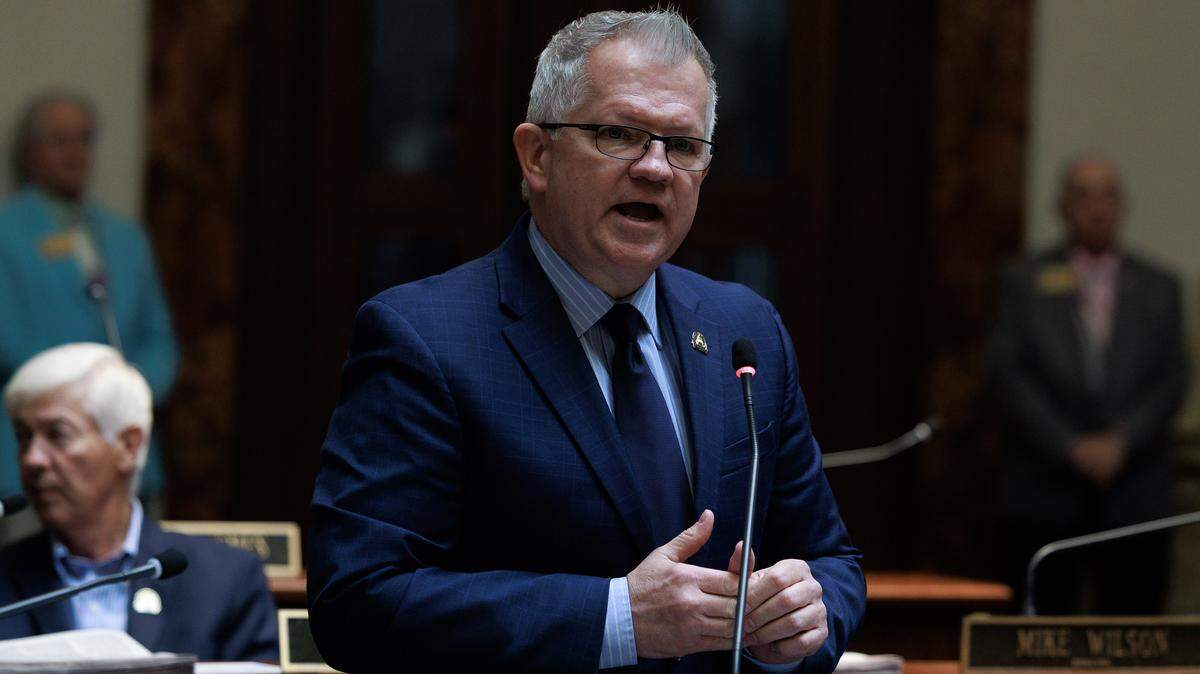
A proposal in the Kentucky General Assembly aims to jumpstart nuclear development in the Bluegrass State.
Under the guidance of the already established Kentucky Nuclear Energy Development Authority, Senate Bill 57 creates the Nuclear Reactor Site Readiness Program to ease the cost of applications and permitting with the federal government for nuclear energy facilities.
There are no nuclear power plants in the state, but momentum is building, the bill sponsor said.
Filed by Sen. Danny Carroll, R-Paducah, the bill outlines how the program’s framework would allow the state to award eligible applicants enough money to cover one-third of the cost of applying for federal permits for a Kentucky nuclear site.
The state’s Nuclear Energy Development Authority, established last session by Carroll, would be responsible for evaluating grant applications on the project’s location, stability, economic condition and other criteria that show a benefit to the rate payer. Those it finds eligible would be recommended to the General Assembly for final approval before the money can be distributed.
Each eligible nuclear site could get up to $75 million in combined funding from the state, utility companies and other partners, according to the bill. Carroll told the Herald-Leader Jan. 14 after the Senate adjourned the return on investment could result in $20 billion for the state.
The money for the program fund would consist of state appropriations, gifts, grants, federal money and any forfeited money from applicants that do not meet later requirements of the program.
Carroll said “utilities and nuclear developers are waiting in line” for states to pass policies like the one he’s proposed this session.
“We’ve done a lot of homework looking at what’s working in other states, and Kentucky’s on the map,” he added. “We’re one of the top states that developers are looking at now, and that’s pretty exciting for us because energy has always been one of our strengths, and we’ve got to make sure that continues well into the future.”
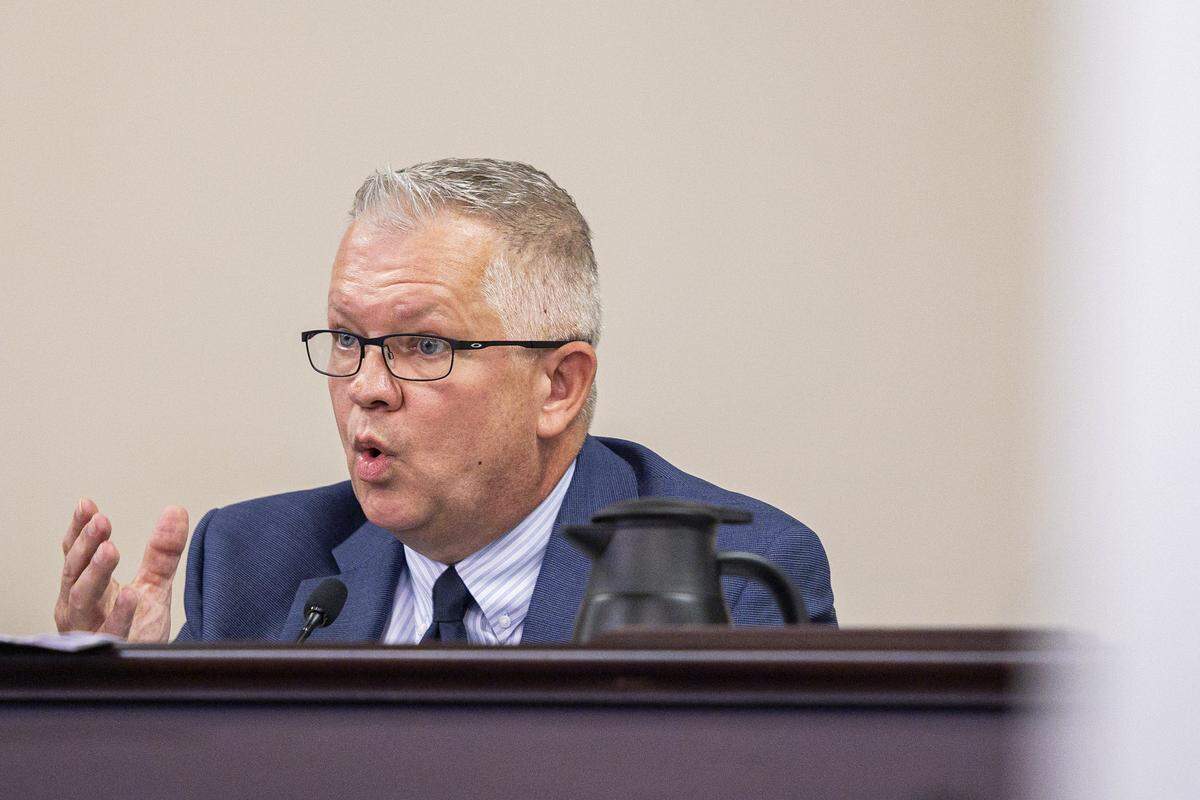
Amendments could be made to the bill, Carroll said, and a future version of the legislation — even one in another session — could include an incentive from the state’s Cabinet for Economic Development to support jobs or to ease taxes.
Costs for early permitting review through the U.S. Nuclear Regulatory Commission to put new nuclear energy generating facilities in Kentucky are roughly $320 per hour. It generally takes two to three years for applicants to conduct studies, collect environmental data and prepare their materials for review, which could take another two to three years, according to the commission.
Carroll, the bill’s sponsor, represents parts of Ballard, Carlisle, Livingston, Marshall and McCracken counties in the state senate. He’s from Paducah, where two companies have already announced plans to enrich uranium, a critical step in the nuclear fuel cycle that increases the concentration of the element so it can be better used to generate power.
Last summer, the U.S. Department of Energy said four pieces of federal land, including the Paducah Gaseous Diffusion Plant, could be utilized to lower energy costs by increasing supply and in turn used to power artificial intelligence.
Also last summer, California-based General Matter said it would build a $1.5 billion enrichment facility at the site where it will employ 140 people. Construction is anticipated to start this year. Next to the same diffusion plant site, Global Laser Enrichment is building an enrichment facility using different technology.
Carroll said the bill and momentum in Paducah is coincidental, but the state has been charting a course toward more nuclear development since he sponsored legislation that lifted the moratorium on constructing new plants in 2017.
“And the timing of all this has really sped up in the last few years, beginning with the Biden administration and on into the Trump administration, with billions of dollars being made available,” Carroll said. “And when data centers started being part of the discussion, everything went into hyper speed at that point.”
.JPG)