
KY needs more affordable housing. Will these 2 bills make building homes easier?
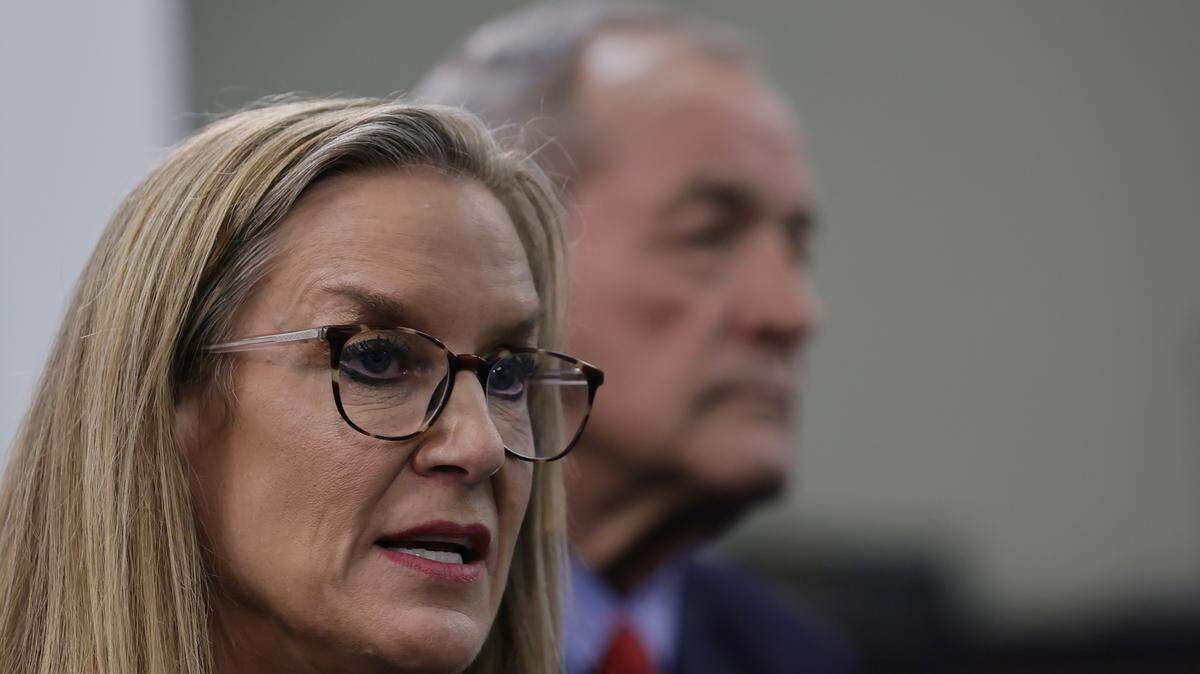
New housing development and homeownership opportunities could increase in Kentucky if a Republican state representative is successful in her attempt to modernize some of the Bluegrass State’s building, planning and zoning codes.
Rep. Susan Witten, R-Louisville, filed House Bills 617 and 618 to boost the construction of new homes by reducing regulatory barriers that already impact residential development.
The rules and guidelines for building new homes are complex, but Witten said changes to the standards for planning and then constructing development are necessary if the state wants to make it easier for much-needed housing to be built.
Witten’s proposals are a byproduct of the Kentucky Housing Task Force that, for the past two years, has asked lawmakers, local leaders and industry experts to identify the most practical solutions to the state’s growing housing shortage.
Without a coordinated effort to build more units, the state may need to fill a gap of more than 287,000 units by 2029, according to an estimate in a 2024 housing study commissioned by the Kentucky Housing Corp. during the task force’s first year of meetings.
Witten, who was co-chair of the task force, said both bills introduced Feb. 11 have early support from groups like the Homebuilders Association of Kentucky, Kentucky REALTORS, Americans for Prosperity, the Kentucky Association of Fire Chiefs and the Kentucky League of Cities.
“For the past two years, the Kentucky Housing Task Force has heard from Kentuckians across the commonwealth,” Witten said. “Everyone agrees that we have a housing crisis, and we must do something to address the affordability for single family and multi-family homes.”
House Bill 617 — referred to in other states as the “Starter Home Act” — would ensure Kentucky’s local governments retain authority over developments while preventing lot size or setback requirements from being imposed on future residential projects.
Lot size requirements are rules for building. They dictate a structure’s area and width and define the minimum and maximum distance between a structure and the property line.
Some lot size and setback rules also define how much of a lot can be covered by buildings and whether smaller lots can be permitted for smaller housing types “in the middle” like townhouses or detached single family homes that are typically more affordable.
Minimum lot size requirements — the kind Witten’s proposal is trying to prevent from being imposed on new projects — often correlate with increased housing prices because they require a larger land purchase. The requirements can also restrict the number of homes that can be built in one area which creates sprawl and generally prevents construction of duplexes, townhouses and other more affordable housing options.
“This legislation is about creating a location for new housing, especially starter homes, without taking away local control over existing neighborhoods,” Witten said. “HB 617 follows the model adopted by states like Texas, where similar reforms have helped open the door for first-time buyers while preserving current zoning rules for existing homes.”
Witten’s other proposal, House Bill 618, would allow single-family residential building codes be used for buildings with up to four units. The proposal also allows for third-party inspectors to step in when local capacity is limited.
When single-family building codes are applied to small, multi-family buildings, mortgages are considered residential instead of commercial and permitting for construction is streamlined.
Allowing the codes to be used for both single-family homes and multi-unit structures also has the potential to increase density without the need for high-rises or buildings with more than two stories. Adding multiple smaller units within the same structure is also often cheaper for the builder and eventual tenants.
“These changes will directly increase the supply and lower the building costs, making housing more affordable and available across the entire state, which is something that we can all agree Kentucky needs,” Witten said.
Both bills are “ideas and solutions that have been implemented in other states,” Witten said, hoping that Kentucky will be a good candidate for duplication across its 120 counties.
“I am heartened by the attention that our housing crisis has garnered this session, with several bills that have already passed through their respective chamber and several others that are continuing to be worked on as we speak,” Witten said. “But these two bills that I filed yesterday; they’re important pieces that will immediately ease Kentucky’s housing shortage and, in turn, improve the housing affordability in Kentucky.”
Staff writer Hannah Pinski contributed reporting to this story.
.JPG)