How much are Kentucky jails billing to house ICE detainees? Hint: Millions
AI-generated summary reviewed by our newsroom.
- Boone, Kenton and Campbell billed ICE $10,458,171 in 2025.
- Federal rate is $88/day vs about $35/day from the state, per article.
- Average counts show a majority lacked criminal charges in those jails in 2025.
Brian Maurer carefully constructed his arguments before approaching the public podium at a Boone County Fiscal Court meeting in February.
He was there to ask questions about the Boone County Detention Center’s contract with federal authorities to house U.S. Immigration and Customs Enforcement detainees. Why, he asked during the Feb. 10 meeting, is the jail willing to house them when many haven’t been charged with crimes?
“We are mixing individuals convicted of actual crimes with non-criminals being held there indefinitely,” Maurer said. “Under our constitution, we are not supposed to treat a person like a prisoner when they have no ability to challenge their detention. And yet we do.”
Moreover, Boone County Detention Center has made a lot of money in the process, Maurer said.
In Northern Kentucky’s three largest counties, just across the Ohio River from Cincinnati, holding ICE detainees is big business. Records obtained by the Lexington Herald-Leader through an Open Records Act request show Kenton, Campbell and Boone were paid $10.5 million in 2025 to house ICE detainees. Boone County, which has held detainees since January 2025, billed the most and received $6.1 million from federal authorities.
How much Kentucky jails are billing to house ICE detainees has become a local flash point in the broader nationwide conversation about the tactics and the policy surrounding immigration enforcement.
Boone County Judge Executive Gary Moore stressed during the February meeting that the jail is not generating a profit from those detainees. The contract with the U.S. Marshals Service to house federal inmates helps balance the books, he said.
“The partnership with the federal law enforcement is not a revenue-generating activity for Boone County,” Moore said. “ I want to clarify that our county jail is subsidized by this fiscal court in our budget this year for $5.5 million. So we’re current clearly not making money on the jail operation.”
Records show that’s accurate. The Boone County Detention Center has an annual budget of about $12.8 million. Of that, roughly $5.5 million comes from the general fund, the county’s main checking account.
Boone County, which has housed ICE detainees prior to President Donald Trump taking office, billed ICE approximately $6.1 million over 12 months, according to records the county provided to the newspaper.
That dwarfs what two other northern Kentucky detention centers have billed ICE for either transport or to house detainees.
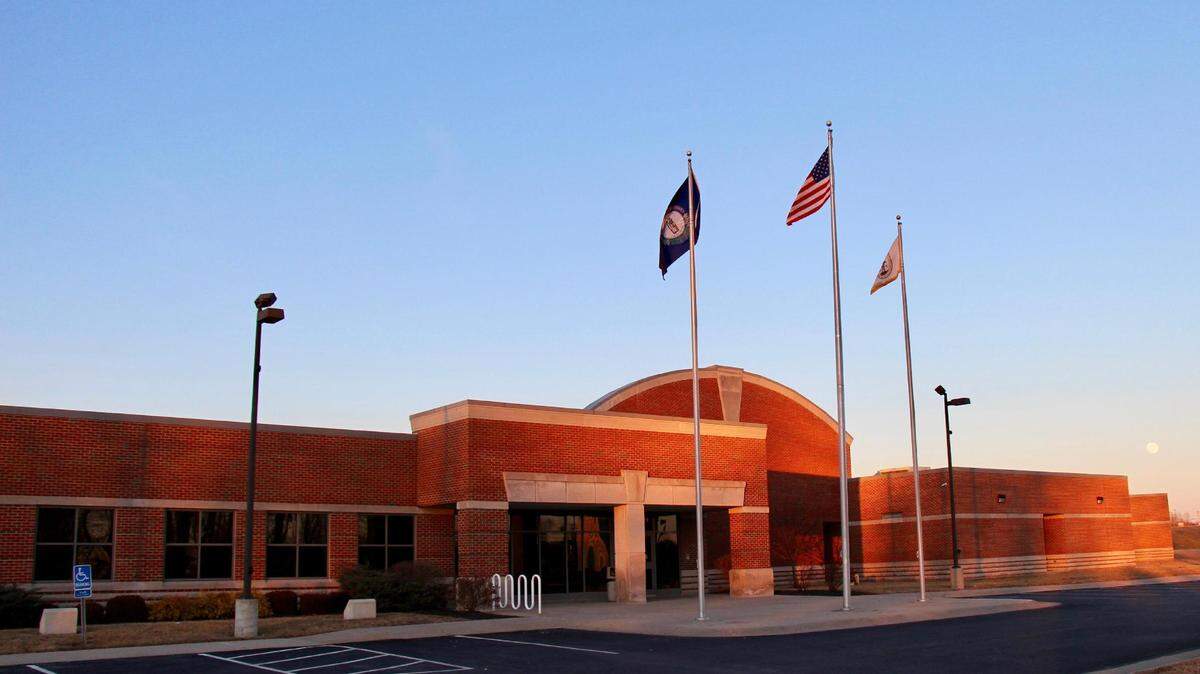
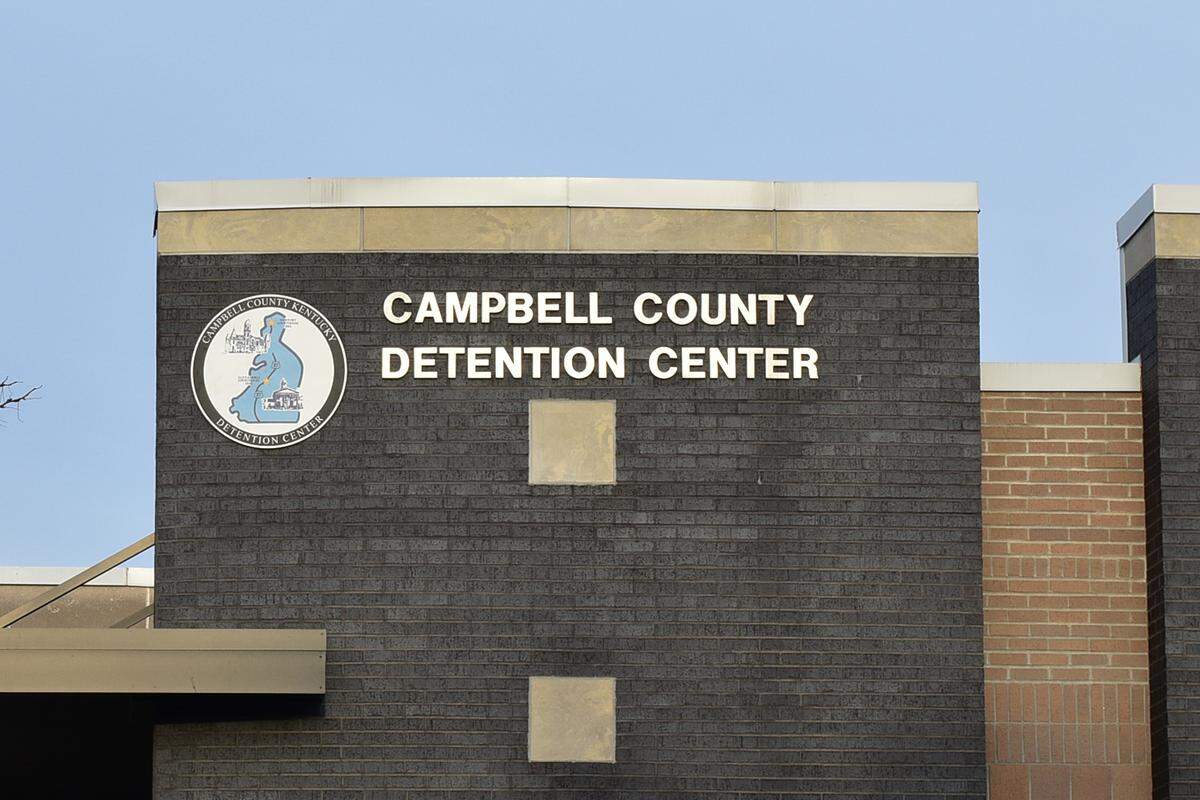
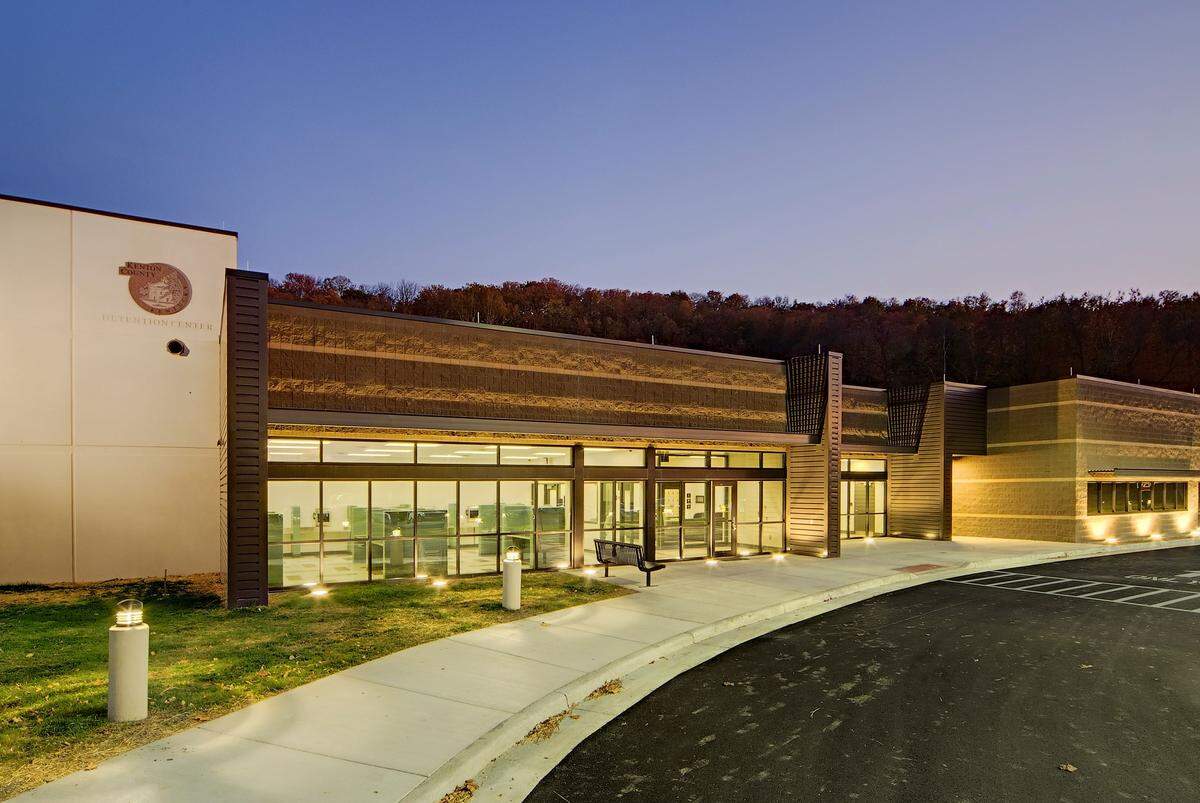
Kenton County Detention Center, which started housing ICE detainees in May, received $1.8 million from ICE from May to December. Campbell County Detention Center billed ICE approximately $2.6 million to house detainees from April to December, according to records provided by both detention centers.
The total amount the three jails billed ICE in 2025 was $10,458,171.
The three northern Kentucky detention centers were the only Kentucky jails that provided ICE billing information to the Herald-Leader.
Other detention centers with contracts to house ICE detainees — Oldham, Grayson, Daviess and Hopkins county jails — refused to provide billing information. Those jails pointed to a federal statute prohibiting local or state facilities from releasing identifying information about ICE detainees as a reason to deny the Open Records Act request.
Michael Abate, a lawyer with the Kentucky Press Association, said that federal regulation only applies to identifying information about detainees.
“There is no state or federal law making it a secret how many immigration detainees a county or facility is housing, or how much they are charging the federal government to do so,” Abate said. “The regulations cited apply only to certain limited information about a detainee’s identity and have no bearing on these requests.”
The Herald-Leader did not ask for identifying information about detainees, only ICE billing information.
Federal ICE contracts help shore up jail budgets
Many detention centers have existing U.S. Marshal Service contracts to house federal inmates. Those contracts are then amended to include ICE detainees, as is the case in Boone County, which has had a contract with the U.S. Marshals Service for decades, according to county officials and records.
Kenton, Boone and Campbell counties’ contracts show they receive $88 per day for each ICE detainee. The amount a jail receives is negotiated with the local government and can vary, according to information on the U.S. Marshal Service website. In addition, many jails have separate contracts to transport or guard ICE detainees.
Those contracts are for $43 an hour for transport, records show.
Boone County Detention Center Capt. Oscar Jeffries said it’s a “major misconception” that Boone County and other jails are profiting from these ICE contracts. The ICE contracts help offset losses, Jeffries said.
“The jail has never made a profit,” Jeffries said.
Moreover, data provided by Boone County shows the amount of general fund dollars needed to support the jail has skyrocketed. In 2016, the county tapped $450,000 in general fund money to support the jail. In the most recent fiscal year, the county needed $5.6 million in general fund money to help shore up jail funding.
Kenton County Jailer Marc Fields said the jail budget is roughly $24.4 million. Of that, $17.7 million is covered by the general fund. Fields said his jail and others have fixed costs that are steadily climbing, including personnel costs.
“Revenue from our agreement with Immigrant and Customs Enforcement goes to our operating budget which helps offset those costs. Without it, those fixed expenses would still exist, and any resulting funding gap would most likely need to be covered by the county’s general fund,” Fields said.
Jails are the largest drain on most county government’s budgets. Most, if not all, are subsidized by general fund dollars.
The Kentucky Association of Counties, which advocates and lobbies on behalf of counties, estimated in 2019 that counties had to transfer roughly $96.7 million from their general funds, which typically pay for things such as parks, paving and salaries, to jail funds to cover rising costs.
In 2025, KACO estimates those general fund transfers jumped to $170 million, a roughly 76% increase in six years. KACO is pushing the Kentucky General Assembly to pass House Bill 557, which would help change the way county jails are reimbursed for housing state inmates, among other initiatives to help shore up jails.
As of March 25, the bill has not had a committee hearing.
The federal government pays twice as much as the state to house inmates or detainees, making those federal contracts enticing for cash-strapped jails and county elected officials who would prefer to use that money for other services.
For example, the ICE and Marshal Service daily rate to house federal inmates in Boone, Kenton and Campbell counties is twice what those jails receive to house state inmates. The federal reimbursement rate is $88. The state reimbursement rate is about $35, according to state documents.
Boone County budget documents show how lucrative those federal contracts can be.
In the current fiscal year, which began July 1, Boone County jail’s budget estimated payments of $4.7 million for all federal prisoners, including ICE detainees. For state inmates, it has budgeted $1.5 million.
Fiscal court meetings become ground zero for debate
In addition to Boone County Fiscal Court meetings, people have also raised questions about those ICE detention contracts during Kenton and Campbell counties fiscal court meetings over the past several months, according to LINK NKY, a Northern Kentucky media organization.
Those questions have ramped up since federal agents fatally shot two Americans, Renee Good and Alex Pretti, in Minneapolis during stepped up immigration enforcement efforts in January. In addition, many U.S. District Court judges across the country have issued blistering opinions slamming ICE for failing to release detainees when ordered to do so.
Many who have spoken against those ICE contracts during fiscal court meetings have focused on the legality of housing people who have not been charged with a crime.
“Do not house people with no criminal record. Do not turn local police into federal immigration agents. Keep police local and accountable. Focus on real crime, not traumatizing children and families,” said Kayla Reed during a Jan. 27 Kenton Fiscal Court meeting.
Immigration and Customs Enforcement Feb. 4 detention data for the three Northern Kentucky county jails shows the majority of ICE detainees there have not been charged with a crime.
In Boone County, 89 male ICE detainees had criminal charges while 107 did not. In Campbell County, 26 of the male detainees had a criminal charge while 88 had none. In Kenton County, 35 detainees had criminal charges but more than nearly twice as many of those detainees, 78, had no criminal charges. Those numbers represent average daily counts for each jail.
A Kentucky League of Women Voters analysis of Kentucky jail ICE detainees, using jail inmate information, state corrections and ICE data, found approximately 72% of all ICE detainees had no criminal history.
That tracks with national data. A November 2025 Cato Institute study showed 73.1% of people detained by ICE have no criminal convictions.
Maurer, in an interview, said many people who oppose ICE contracts realize in conservative Northern Kentucky — which overwhelmingly voted for Trump in 2024 — an argument about immigration is likely a lost cause. Instead, Maurer and others are focusing on civil rights and returning county jails to institutions that serve the local community and the taxpayers who pay for them.
“I’m asking this court to do what it can to return the Boone County jail to its original mission, being a community institution. Stop letting it being a waiting room for federal schemes that bypass the 14th Amendment,” Maurer said during the Feb. 10 meeting. “Our jail was built to serve this community. It was never intended to be a federal dumping ground, a black box, where due process goes to die.”
Still, county officials appear unmoved by many of those arguments.
Moore, the Boone County leader, encouraged people with questions and concerns about ICE to contact Kentucky senators and U.S. representatives.
“The fiscal court has no direct oversight or authority with respect to federal immigration policy. The funding and oversight of the federal activities is a discussion best had with federal legislators, your House and Senate representative on the federal side, because they’re the ones that impact policy,” Moore said during the Feb. 10 meeting.
The Boone Fiscal Court also issued a two-page statement at a recent meeting outlining its position on ICE detention in response to Maurer and others’ questions.
“The partnership with federal law enforcement has been and continues to be a positive relationship. Housing inmates as space is available has resulted in strong support of law enforcement, helped increase oversight of jail operations due to the additional federal standards for housing and associated inspections, and maximized use of government resources,” the statement read.
This story was originally published April 1, 2026 at 9:58 AM.