These KY jails get paid to house ICE detainees. They refuse to say how much
AI-generated summary reviewed by our newsroom.
- Four KY jails have refused to disclose how much they are paid by ICE
- KY legal expert says denials of request for ICE billing data is without merit
- Three KY jails have disclosed ICE billing info as more groups question contracts
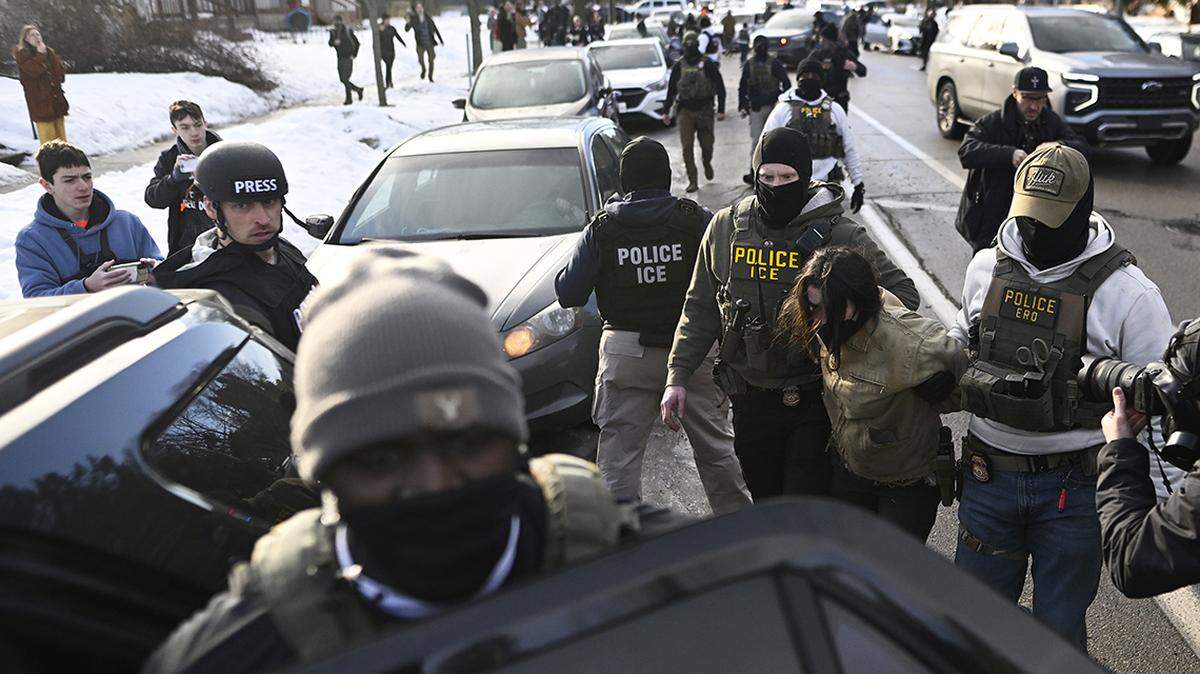
Some Kentucky jails are refusing to disclose how much they bill federal officials to house immigration detainees.
The Lexington Herald-Leader sent open records act requests to seven Kentucky jails that have Immigration and Customs Enforcement contracts. Four refused to give that information, citing a federal regulation that prohibits jails from releasing information about individual detainees.
Three northern Kentucky jails — Campbell, Kenton and Boone counties — released monthly billing information for 2025. In total, the three jails billed $10.5 million to house or transport ICE detainees.
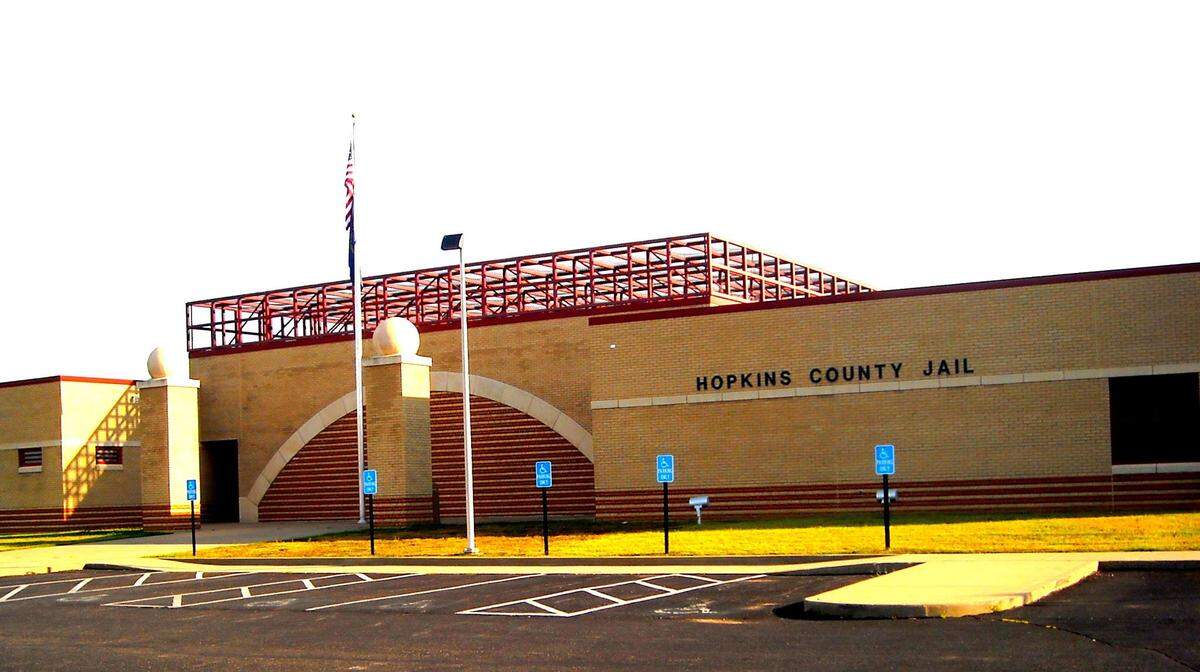
The detention centers in Grayson, Oldham, Daviess and Hopkins counties all refused to disclose those contracts or monthly billing data.
Grayson County Jailer Jason Woosley said a federal regulation prohibits jails and local or state governments from releasing information on detainees.
“No person, including any state or local government entity... shall make disclose or otherwise permit to be made public the name of, or other information relating to, such detainee,” the federal regulation says.
“It clearly states in CFR 236.6 that any ‘information relating to’ ICE Inmates cannot be released by Local Government,” Woosley said in an email to the Herald-Leader.
Other jailers cited the same statute.
But one open records expert said that’s not a correct application of the law.
“These denials make no sense,” Michael Abate, a First Amendment attorney, said. “There is no state or federal law making it a secret how many immigration detainees a county or facility is housing, or how much they are charging the federal government to do so.”
Abate, who represents the Kentucky Press Association, said the federal regulation only speaks to information about inmates. The Herald-Leader’s request does not ask for identifying information about detainees. Information and billing data released by Kenton, Campbell and Boone counties redacted all information relating to an individual detainee, records obtained by the Herald-Leader show.
Moreover, many jail budgets include how much the jail receives from housing federal inmates. For example, Daviess County’s current-year budget lists $1.7 million in budgeted revenue from housing federal inmates.
“The regulations cited apply only to certain limited information about a detainee’s identity and have no bearing on these requests,” Abate said. “It begs the question of why certain counties are trying to hide this information from the public.”
Woosley, Oldham County Jailer Jeff Tindale and Daviess County Detention Center officials referred questions about why the jails were denying the newspaper’s requests to ICE officials. Hopkins County Detention Center officials did not respond to the newspaper’s request.
ICE officials did not respond to repeated email requests for comment.
Confusing sets of data
Kyle Ellison, a retired Department of Corrections employee who has monitored ICE contracts for jails in Kentucky and Indiana, said the interpretation of that federal statue regarding information about ICE detainees is being unevenly applied, making it difficult for local groups who have questioned those ICE contracts to get accurate information.
Campbell County Detention Center, for example, has recently removed ICE detainees from the jail website. It’s not clear why, Ellison said.
“It also makes it difficult for people to find these detainees,” Ellison said.
Yet, information about ICE detainees is eventually reported to ICE and to the Kentucky Department of Corrections, Ellison noted.
For example, a Feb. 26 Kentucky Department of Corrections weekly jail inmate data sheet shows the Grayson County Detention Center, its main jail, has 745 inmates. Of those inmates, 640 are federal inmates — roughly 85% of people in custody of that jail. It’s not clear how many of those are ICE detainees.
Most jails’ contracts are with the U.S. Marshals Service, which are later amended to include ICE detainees, Ellison and records obtained by the Herald-Leader from other Kentucky jails show. That means many local detention centers have both federal inmates and ICE detainees.
ICE detention numbers lag the state numbers. ICE also reports an average daily population rather than total number of inmates, making it tricky to figure out how many ICE detainees are in a local detention center on any given day or week, Ellison said.
“They purposely make it very confusing,” Ellison said.
Without numbers, challenging ICE contracts can be tricky
Beth Mattingly said she is not surprised Woosley and Grayson County has refused to release information about its ICE contract or how much money the Grayson County Detention Center is billing to house ICE detainees.
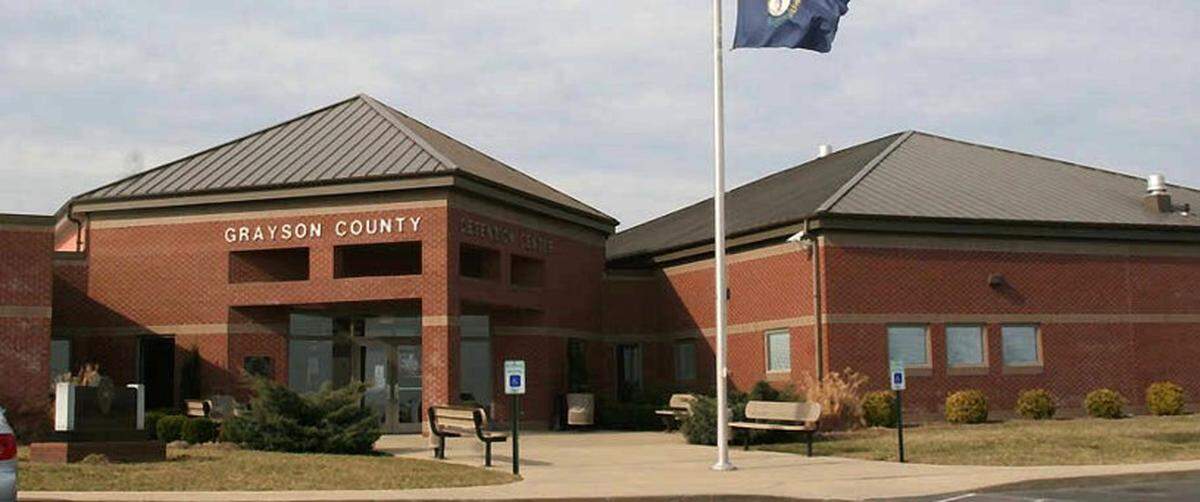
Mattingly is one of a small group of people, Grayson County Citizens for Democracy, who have attended Grayson County Fiscal Court meetings in recent months to ask questions and raise concerns about the ICE contract.
Grayson County is a solidly Republican. In 2024, 80% of Grayson County voters backed President Donald Trump, according to State Board of Election results.
It can be intimidating and daunting to challenge the status quo, Mattingly said. At first, the group would get push back from Woosley or fiscal court magistrates who said the numbers Mattingly and others were citing, which were pulled from state jail data reports and ICE numbers, were incorrect.
“It was really frustrating,” Mattingly said.
But one concern Mattingly and others share is who is being held in Grayson County and why. ICE data shows Grayson County Detention Center overwhelmingly houses female ICE detainees. Of those female detainees, 127 had no criminal record compared to 24 who had a criminal charge, according to average daily population estimates reported by ICE on Feb. 5.
Still, Mattingly and others continue to show up at fiscal court meetings to ask questions.
“We’ve been limited to two minutes each,” Mattingly said of fiscal court meetings. “They typically don’t respond at all. One of them, who really doesn’t like us, sometimes laughs.”