Data centers, education & entertainment: What bills KY lawmakers filed last-minute

Bills, bills and more bills.
The cutoff for new legislation during the 2026 General Assembly was last week, and state lawmakers filed nearly 1,300 bills in total. Topics included the much-watched biennial state budget, education policy in K-12 schools and so much more.
Now, the chambers have until April 1 to pass any legislation they think might get vetoed by Democratic Gov. Andy Beshear. After the 10-day veto period, the Republican supermajority will have the opportunity to override any vetoes they’d like on the last two days of session, which are April 14 and 15.
But only a fraction of the bills filed are expected to go through the full legislative process — and it’s not an easy one.
While hundreds of bills were filed leading up to the deadline, the Herald Leader chose seven proposals that caught our attention. Here are some of the more notable pieces of legislation.
More K-12, higher education policy
Legislation touching Kentucky’s K-12 schools and colleges and universities is typically a popular topic for lawmakers, and the 2026 legislative session is no different.
Senate Bill 318 from Sen. Lindsey Tichenor, R-Smithfield, restricts screen, or “digital instruction” time for elementary school students to 45 minutes per day.
Digital instruction includes lessons, assignments, testing or activities delivered through instructional technology, according to the bill’s language. SB 318 would also require 70% of student assignments to be written and ensure students have access to printed books and reading material.
Kentucky isn’t the first state to propose limitations on technology in schools, and other states have seen momentum on similar legislation.
In Tennessee, a bill that would ban public school districts and charter school employees from using digital devices for instruction is advancing through the legislature. Another bill in Virginia would require the Virginia Department of Education to create policy for school boards to limit screen time by grade level.

Kentucky lawmakers also filed bills pertaining to K-12 school board policy. Rep. Josh Calloway, R-Irvington, filed House Bill 862, which would require local boards of education to let parents recite passages from material, a program or event that is being reviewed as potentially “harmful to minors.” The board would be immediately required to determine the material as “harmful to minors” if they deny the parent the opportunity to recite the passage, or deem the material inappropriate to recite at the meeting.
Some Democrats introduced bills to help college and university students. Minority Whip Joshua Watkins, D-Louisville, is the primary sponsor behind House Bill 924, which would create the Kentucky Public Service Student Loan Forgiveness Program fund to be administered by the Kentucky Higher Education Assistance Authority.
Watkins wants to use $30 million from the state’s $3.7 billion budget reserve trust fund — also known as the rainy day find — for the first year, and another $30 million from the general fund in the program’s second year. It could also receive money from federal funds and gifts and grants from “public and private” sources.
Under his bill, Kentuckians who work in public service and are not in default on their federal student loans would be eligible to apply for an annual loan repayment award. That award would be between $5,000 to $7,500 per year for up to five years.
Watkins’ bill will be a hard sell to the Republican supermajority, which has taken a conservative approach to spending the state’s money, especially the rainy day fund.
Data center guardrails and guidelines
Ahead of the start of the session, lawmakers indicated there would be significant legislation on data centers, which have become a hot-button topic as tech firms eye the commonwealth to house their computer hardware on cheap land with affordable electricity and water.
While some lawmakers see this as a chance to capitalize on AI’s economic potential, environmental groups have raised concerns centers will lead to higher electricity bills for Kentuckians due to the necessary upgrades to energy infrastructure.
Some legislators are looking to place guardrails around and increase transparency of these centers.
Sen. Keturah Herron, D-Lousiville, is the sponsor behind Senate Bill 330, which would ban public agencies from using nondisclosure agreements to keep data centers confidential beyond what’s permitted by Kentucky law. Her bill also lists out information that could not be deemed as confidential, which includes the identity of the owner/operator, the project’s location, projected and actual electricity demand, water use and water discharge, among other information.
Meanwhile, Tichenor filed Senate Bill 319 to add a new environmental and land restoration requirement for large data centers on land that was recently classified as agricultural property.
Her bill would require the data center owner to file a decommissioning plan with the Energy and Environment Cabinet, which must include, at a minimum, removing all above-ground facilities and underground components and foundations that the cabinet deems necessary for agricultural reuse.
It also requires the company behind the data center to work with local officials and government to create practices improving the center’s energy efficiency. That can include upgrading and consolidating technology, monitoring data center airflow and conserve, reuse and replace water.
While SB 319 and SB 330 have yet to receive committee assignments, a House bill that addresses data center utility costs is moving.
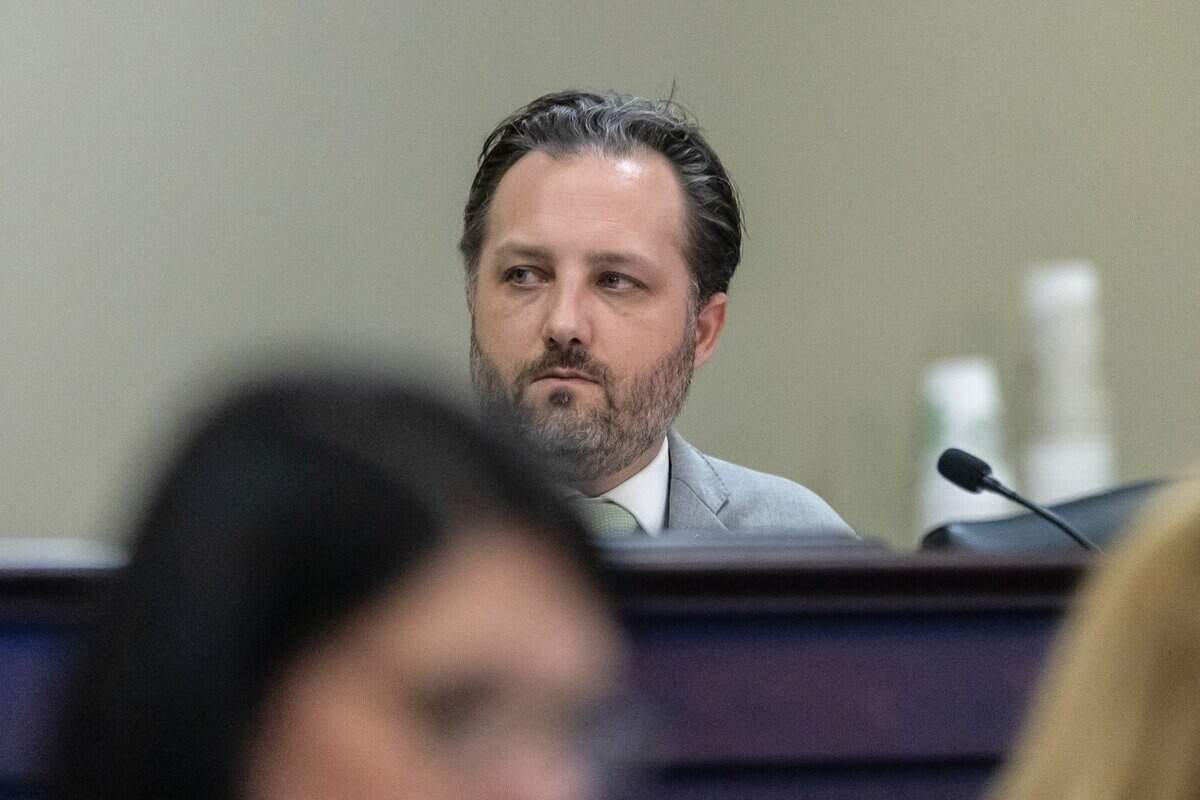
House Bill 593, sponsored by state Rep. Josh Bray, R-Mount Vernon, would only let data centers use public utilities if they agree to cover transmission and infrastructure costs related to their facility’s operations. The contracts would have to ensure existing utility customers would not pay costs incurred by the building.
It also proposes a $75,000 application fee for companies seeking connection to utilities for a data center project, which Bray said is an attempt to protect the market from a flood of data centers. The bill passed out of the House Committee on Economic Development and Workforce Investment Committee unanimously, but advocacy groups still have concerns that the bill does not consider rural communities where data centers might be located. On the House floor, it passed on an 80-8 vote.
Data centers powering real-time AI processing at capacities designed to meet future global internet demands are enormously resource-intensive and can put real strain on the communities that host them. Already, cities and counties in Northern and Western Kentucky have sought to curtail proposed projects by passing stricter siting ordinances and refusing to sell private land.
Chief concerns among environmental groups include data centers’ reliance on surface and groundwater for cooling. Rep. Sarah Stalker, D-Louisville, floated HB 856 Tuesday that would require data centers to submit to state regulators a water feasibility study before breaking ground on a project and file annual reports detailing how much water they have used.
Groups have also cited Kentucky’s longstanding reliance on fossil fuels and how that could exacerbate climate change if the commonwealth becomes a backbone to the global AI economy.
Kentucky’s potential as an AI data center host has leaked into the dialogue swirling other high-profile bills weaving their way through Frankfort this year — namely nuclear energy. Newly pro-nuclear Republican lawmakers swept new project grant funding through the Senate earlier this week in a bid to prove the commonwealth will have the infrastructure in place to land power-hungry hyperscaler data center projects at the scale at Amazon, Google or Microsoft scales.
Kentucky Film Office
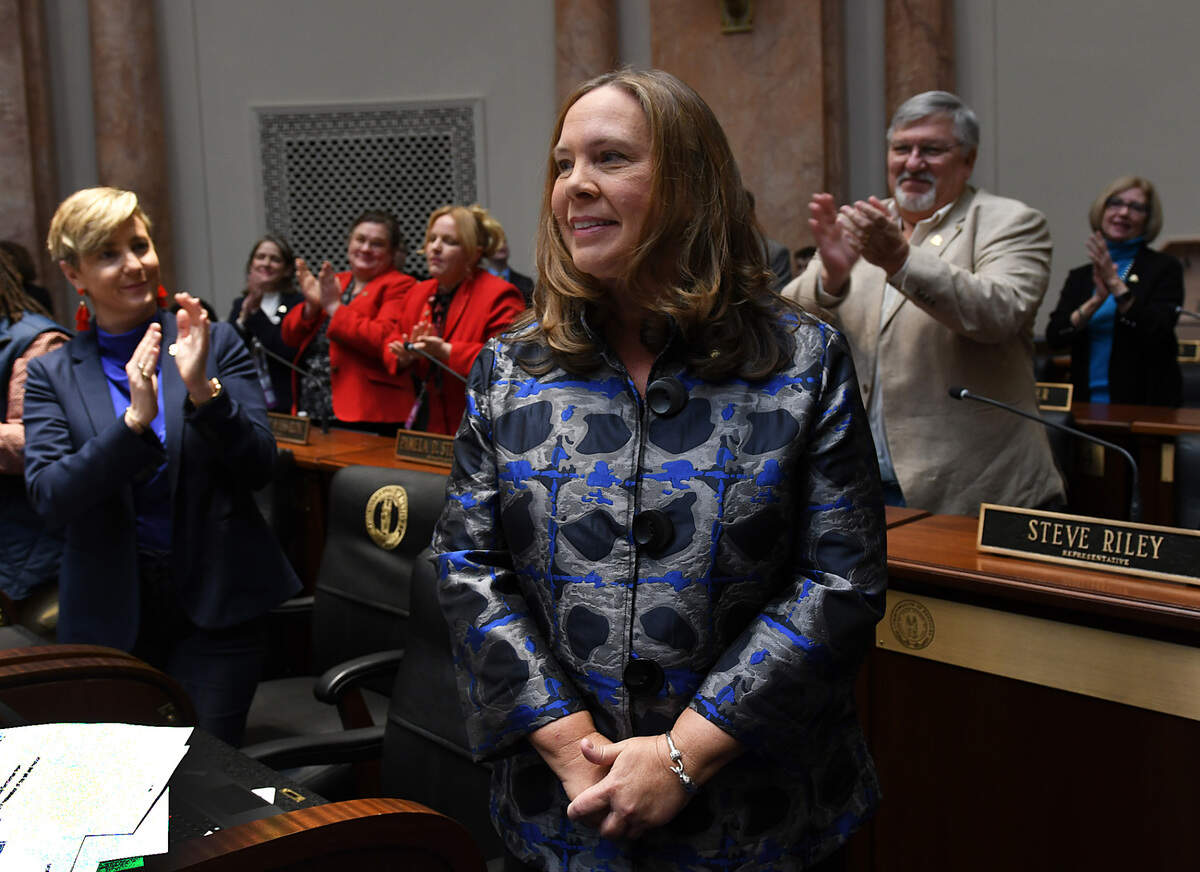
Last year, the Senate top’s priority bill was to create mechanisms and incentives to make Kentucky a hub for the film industry.
Now, a House lawmaker wants to expand that to the entire entertainment industry. Majority Caucus Chair Suzanne Miles, R-Owensboro, is the primary sponsor behind House Bill 926, which would rename and expand the Kentucky Film Office to the Kentucky Entertainment Commission.
Besides film and television production, the commission would promote and coordinate music recording and production, live performance recording and venue development, workforce development and regional entertainment industry economic incentives.
Senate Bill 1 established the Kentucky Film Office last year and attached it to the Cabinet for Economic Development. It also created the Kentucky Film Council, which would determine applicants’ film tax incentive eligibility and assist in selecting the office’s executive director. In January, Beshear named Meg Fister executive director for the office.
While Kentucky has never been a popular spot for filming widely-released movies or television, movies like “Killing of a Sacred Deer” and “Rust Creek” have been shot in the state over the last decade.
Miles’ bill would also expand the Kentucky Film Council from seven to 11 members and require representation from a film production company, music production company and live event production company.
While SB 1 from 2025 was sponsored by Sen. Phillip Wheeler, R-Pikeville, a powerful cosponsor signed on to the legislation. Senate President Robert Stivers, R-Manchester, was a driving force behind SB 1 and filed a “clean-up” bill on funding this session. Senate Bill 324 would change the tax program incentivizing film production. The program is limited to giving out $75 million film tax credits annually, but Stivers’ bill would allow any unspent money to be transferred the following year but it could only be used for “high-impact projects.”
Stivers’ bill was assigned to the Senate Economic Development, Tourism and Labor Committee.
Reporter Austin Ramsey contributed to this report.