New rules would allow some solar farms in Lexington. But who helped write them?
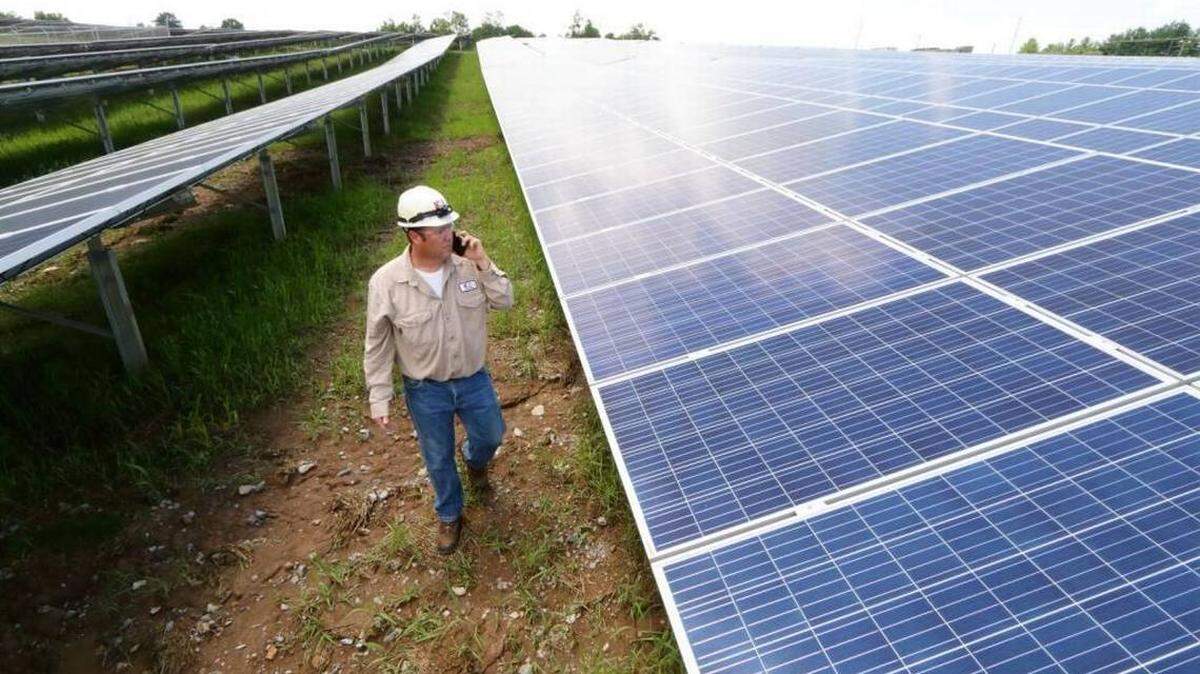
Six months after the Lexington-Fayette Urban County Council voted to ban industrial solar panel farms, a council committee decided to advance language that would allow them on rural farmland — with regulations.
A years-long local dispute about solar farms started in 2024 when Silicon Ranch, a private solar company from Nashville, pushed for regulatory changes in pursuit of building a 797-acre solar farm off Haley Road. That effort was unsuccessful, and in September, the council adopted city-wide zoning regulations for solar panels on households, businesses and on farmland.
Those regulations prohibited ground-mounted solar installations — often called solar farms — larger than 5 acres from being built on rural farms, despite some council members advocating to allow them.
Now Lexington is considering more leeway, thanks to proposed local rules drafted by a work group consisting of 5th District council member Liz Sheehan, 10th District council member Dave Sevigny, 12th District council member Hil Boone, and 1st District council member Tyler Morton.
However, when the proposed rules were shared Tuesday, even a member of the work group expressed frustration about whether farmers got enough of a say in something that will impact agricultural land.
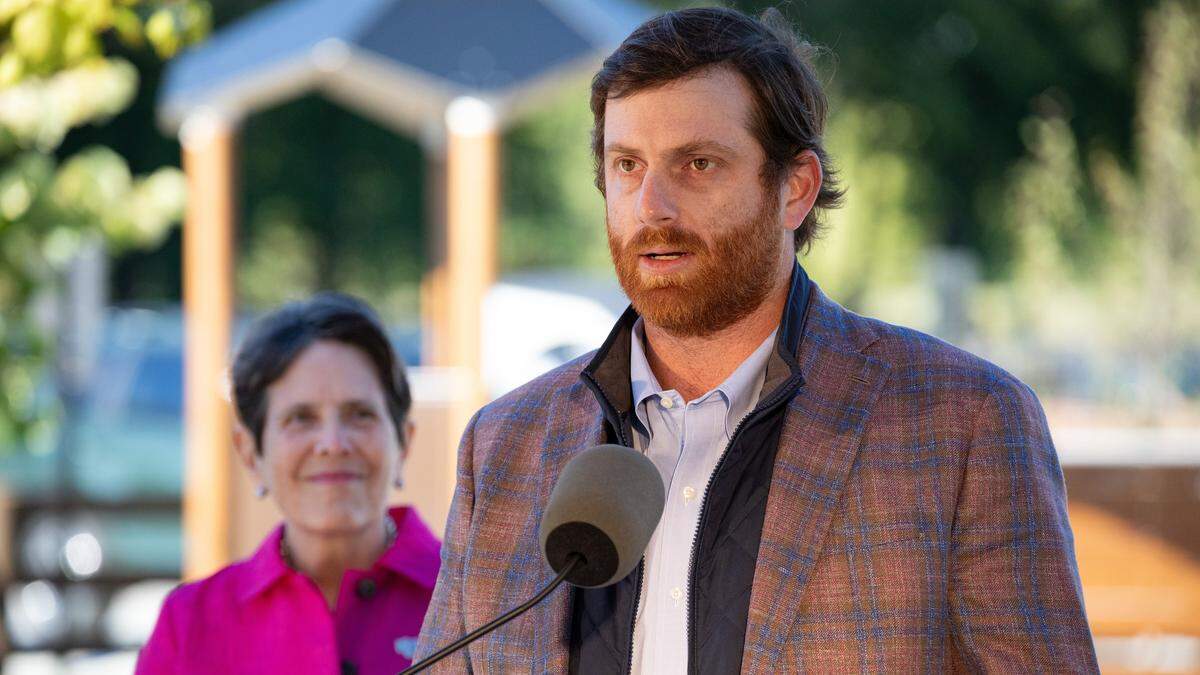
“Clearly not everybody was at the table, and that’s really what it comes down to,” Boone said in the Tuesday meeting.
Boone’s district includes the majority of Lexington’s rural area. He was the sole member of the work group to oppose language allowing solar farms.
Some on the council committee agreed the work group didn’t bring all the relevant voices to the table.
“My question is, if we’re referring (the regulations) to the Rural Land Management Board, the Environmental Commission, why were they not involved from the beginning?” asked 9th District Council member Whitney Elliott Baxter.
Lexington’s Rural Land Management Board governs the city’s purchase of development rights program, which purchases farm owners’ land development rights to preserve those agricultural lands. The Rural Land Management Board has also provided guidance on local policies affecting the city’s rural area.
Despite those concerns, the council’s general government and planning committee voted 6-4 to move the work group’s recommendations forward in a March 10 meeting.
The board, along with the city’s Environmental Commission, will be sent the draft regulations for review.
Those bodies will then share their feedback with the Lexington-Fayette Urban County Planning Commission, which will potentially revise the language and send it back to the council for further deliberation this summer, if the full council decides to send the language to the commission in a vote scheduled for April 28.
‘Answers versus opinions’
Sheehan and Sevigny explained that even though the Rural Land Management Board was not engaged directly by the work group, they did ask for input from Beth Overman, the city’s staffer who manages the purchase of development rights program.
But Sevigny said the board, and other stakeholders like Fayette Alliance and Kentucky Farm Bureau, have already made their opinions on solar farms clear.
“We were focused more on concrete solutions and answers versus opinions, because there were a lot of opinions that we’ve already gotten,” Sevigny told the Herald-Leader.
For Sheehan, the work group’s job was to create draft language for the board and other stakeholders to be able to react to and provide specific input on.
“The whole point of sending it out for feedback is that you get feedback,” she said in the committee meeting.
“If we want full community participation, and we do want to hear from the community that have perspectives on the both sides of this issue, then we should be sending out the full language,” she continued.
The organizations who presented at work group meetings included Kentucky Utilities, the American Farmland Trust, the Kentucky Resources Council, the Fayette County Conservation District and others. These groups provided expertise for council members skeptical of solar farms, Sheehan told the Herald-Leader.
“The topics we selected were based on a survey I did with council members to ask them what they wanted us to investigate,” she said. “So we set the topics and we asked experts to come in and speak on those topics.”
Lexington farmers not part of the process
Missing from the list, though, were active Lexington farmers, Boone said.
“Anybody locally here that is actually farming and using the land for agriculture should have had the opportunity to voice concerns and/or be a part of the conversations,” he told the Herald-Leader.
Boone acknowledged the technical experts provided useful knowledge for the work group. But asking experts to educate policymakers is different from engaging stakeholders for feedback, he said.
“They came for one meeting,” Boone said. “It’s not like there were consistent stakeholders there at every meeting, learning what we were learning. They’d come for one meeting, and then it’d be another group of people.”
“I think it was strategically played,” he added.
What’s actually different in the new rules?
Several council members said the new draft from the work group is too close to proposed language allowing solar panel farms that Sheehan and Sevigny failed to get passed last year.
“There’s a lot of things that I’m in favor of with the changes that you presented today,” Baxter said Tuesday. “But really, it’s very similar to what we were presented with in the beginning.”
Boone put it more harshly.
“We basically just adjusted the (regulations) to be more friendly towards Silicon Ranch’s project,” Boone told the Herald-Leader. “We did add some language about decommissioning and brownfields and some definitions, but in the grand scheme of things, it’s pretty much the same.”
The new language is stricter than the regulations Sheehan and Sevigny proposed last year. Solar farm developers would have to submit more robust land and water management plans under the new proposal. Developers would be required to maintain some form of agricultural production on the property. There are more guidelines for how community benefits agreements between developers and the city should be structured.
Why this work group was formed
All of those changes came from questions and feedback dissenting council members shared last year, Sheehan said.
“If you go back to those meetings and look at the transcripts, you will see that several of the council members said, ‘I still need some more information, and I would like a work group to work on this.’ So we formed the work group,” she told the Herald-Leader.
In April, the full council will decide whether to formally send the new draft language to the Urban County Planning Commission.
The commission will discuss and potentially revise the rules before sending them back to the council for further debate and a final vote of approval.
The commission has historically supported preserving rural Fayette County land. When choosing where to expand the city’s urban service boundary — a task they were forced to undergo after the council’s expansion decision — the commission added nearly the smallest amount of acreage permissible. Some of that acreage includes the long-developed Blue Sky industrial area.
The commission also voted not to allow any ground-mounted solar in rural farm land last year, regardless of how small or large. The council ultimately overrode that decision and allowed installations smaller than five acres to be built in rural Fayette County.
The commission could very well send the council a revised set of zoning regulations that strike permission for solar farms again.
“It’ll be great to see what they come up with, but the council does get the last vote,” Sevigny said of that possibility.
This story was originally published March 11, 2026 at 10:14 AM.