
Kentucky legislature moving to research psychedelic drug to treat addiction
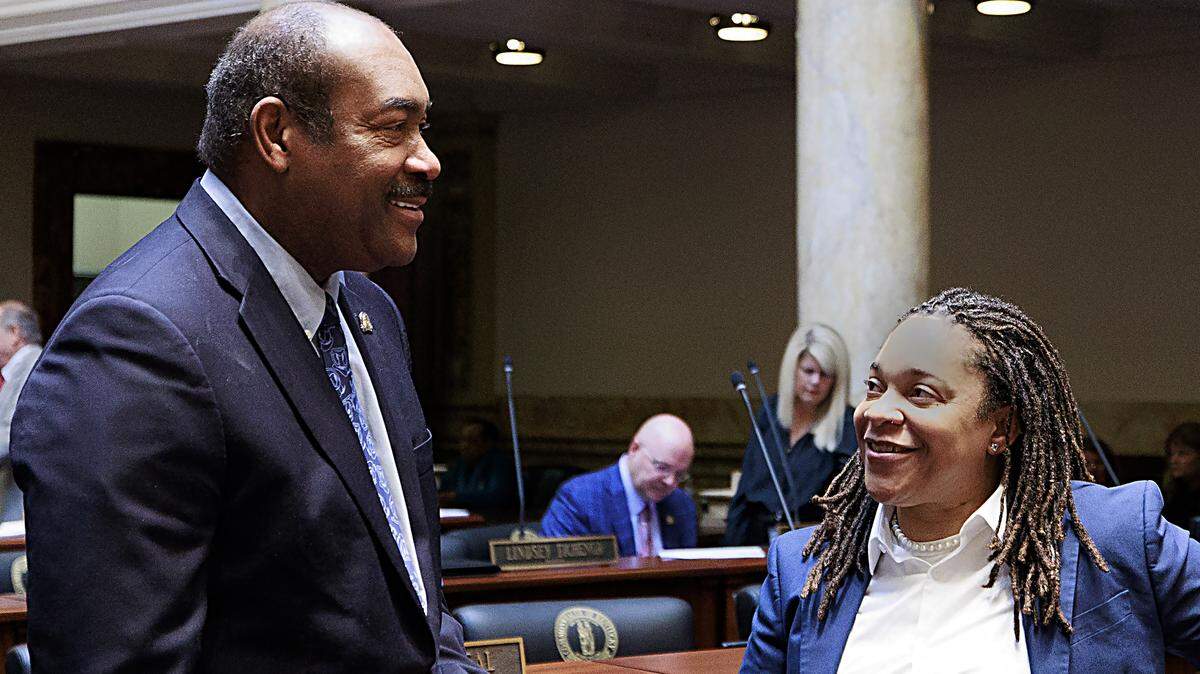
The Kentucky legislature is moving forward with a bill that would create a framework to fund and conduct clinical trials of an experimental psychedelic drug to treat addiction.
Senate Bill 77, from Sen. Donald Douglas, R-Nicholasville, would set up a public-private partnership for development of the drug known as Ibogaine. The drug, which can cause highly unpleasant hallucinations and intense physiological symptoms, reportedly resolves many addiction and mental health issues when used under the supervision of a physician.
The bill also establishes a dedicated state Ibogaine Research and Intellectual Property Fund, which would require matching private investment from a drug developer, and ensures Kentucky shares in any resulting intellectual property revenues from the drug.
Bryan Hubbard, former chair of Kentucky’s Opioid Abatement Advisory Commission, which is tasked with spending the state’s hundreds of millions in opioid lawsuit settlement money, previously proposed $42 million in state dollars to fund research. His boss, then-incoming Republican Attorney General Russell Coleman, did not share Hubbard’s enthusiasm for investing in the experimental — and currently illegal — psychedelic.
But so far, members of the Kentucky legislature seem keen to set up the funding and trial framework for the drug. An initial version of Douglas’ bill had allocated $21 million to the effort, but the appropriation was struck from the bill before it passed the Senate in a 35-2 vote. Douglas is a longtime physician.
Since leaving the commission, Hubbard moved on to the nonprofit Americans for Ibogaine, and describes Ibogaine advocacy as his “life’s work.” Last year, Hubbard successfully pushed Texas to fund research into the drug to the tune of $50 million. Similar legislation in Mississippi and West Virginia has passed.
Hubbard, alongside prominent ex-politicians Rick Perry, former governor of Texas, and former U.S. Sen. Kyrsten Sinema of Arizona, has helped popularize the drug in America through frequent media appearances. Last year he and Perry appeared on the Joe Rogan Experience, one of the country’s most popular podcasts.
Dr. Jean Loftus, a plastic surgeon from Northern Kentucky, was the primary witness on behalf of the bill in a House Veterans, Military Affairs and Public Protection Committee vote on Tuesday.
“Ibogaine treats all addictions, including cocaine, meth, alcohol, benzos, even nicotine and especially opioids. It treats PTSD, and is particularly effective in treating traumatic brain injury — which is disturbingly common among combat veterans — and depression,” Loftus said.
Loftus advertised the bill as model legislation for the American Legislative Exchange Conference, the most prominent conservative state legislative group.
She laid out a $300 million to $600 million process for the drug to eventually get Food and Drug Administration approval, which would require a “multi-state” effort, with each participating state setting up its own public-private partnership alongside a single drug developer. Loftus did not name the developer.
There are risks associated with the drug, including fatal heart arrhythmia, which is part of the reason some University of Kentucky researchers warned against it in 2023 when Hubbard was championing the drug in the Bluegrass State.
Rep. T.J. Roberts, R-Burlington, said he’s seen estimates that the cost of addiction in Kentucky is $95 billion — a huge price relative to whatever the state might put in for Ibogaine research, he said. Roberts also cited his late father’s passing as part of his reason for his “yes” vote on the bill.
“I understand the concern about cardiac arrest, but I have a concern about cardiac arrests that are arising out of something else. Drug addiction is what caused my dad’s cardiac arrest. The traditional treatments didn’t work. This is a new hope for people who are going through something that is devastating our communities in the Commonwealth,” Roberts said.
SB77 passed through the committee with all Republicans voting yes, and two Democrats voting no.
A similar bill from Douglas was introduced in the Senate last year, but did not move.