Could universal pre-K come to KY? Here’s what Beshear’s pilot program looks like
Universal pre-K has become a hot-button topic in the Bluegrass State in recent years.
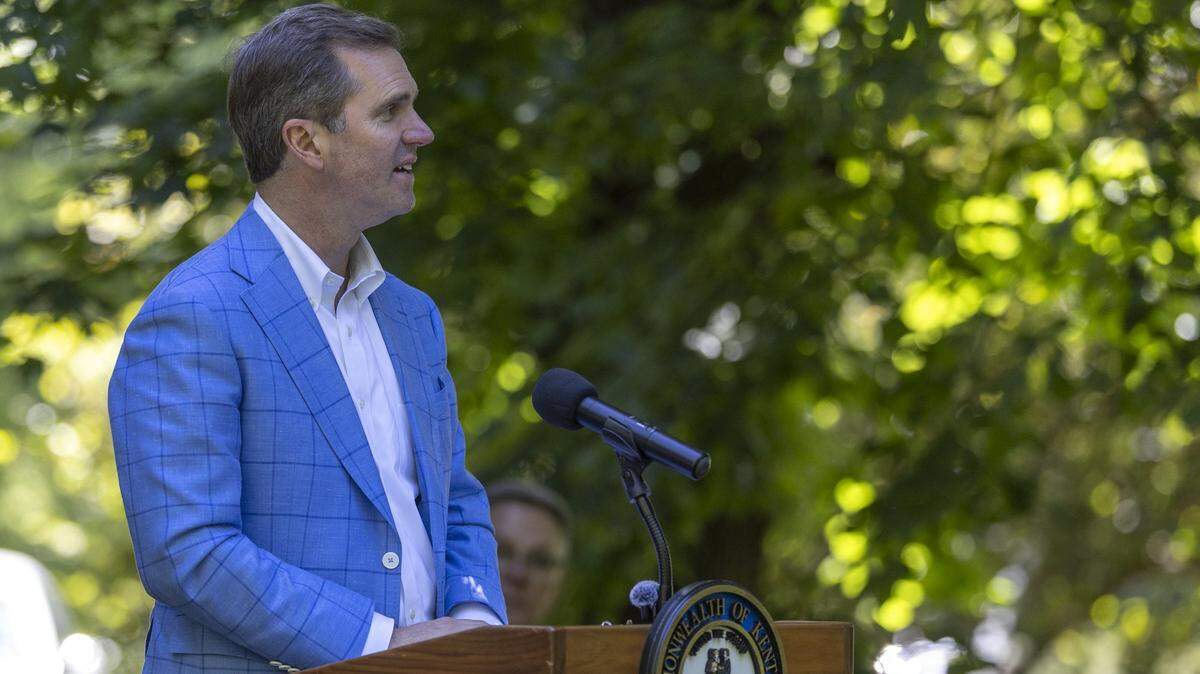
Throughout Gov. Andy Beshear’s second term, he has pushed to get money for a state-funded preschool program available to all Kentucky 4-year-olds. He formed an advisory committee in June 2025. He asked for millions of dollars in funding from the state legislature. He traveled across the state to rally support from parents, business leaders and educators.
But Beshear’s pitch has always been met with skepticism from the Republican supermajority in the General Assembly. They’ve declined to fund Beshear’s budget requests for the program, citing concerns with the impacts on private businesses, like day cares, and the high potential associated costs, like building new facilities and staffing larger school districts.
Without the backing of Republican lawmakers, Beshear issued an executive order to launch a pre-K for all pilot program in Robertson and Rockcastle counties, with curriculum beginning during the 2026-2027 school year.
“In just one day, we created more childcare capacity than the legislature did this entire session — and this is progress we intend to build on, because we know our families and businesses need it,” Beshear said during the program’s May 7 announcement.
Now, more than two months after the pilot program’s announcement, the Beshear administration won’t say how much the state is spending on it. But according to contracts publicly available on the state’s transparency website, the pilot programs for the two school districts will cost nearly $1.3 million for the next two years.
As Beshear moves forward with his pre-K for all pilot program without the legislature’s approval, Republicans are concerned about the plan’s viability and economic impacts on the state while Democrats express widespread support.
What is universal pre-K? What is Beshear’s plan?
Universal pre-K is an early childhood learning program funded by public dollars and available to all families regardless of income. Supporters say the program helps prepare children for kindergarten by teaching essential social and academic skills. States in the South that offer universal pre-K include West Virginia, Georgia, Alabama and Florida.
While Kentucky doesn’t have universal pre-K, it has a state-funded preschool education program for families with incomes below 160% of the federal poverty line, and 3- and 4-year-olds with disabilities. In the next two-year budget that passed during the 2026 General Assembly, lawmakers approved funding the program at the current level of $84.5 million each year.
Beshear’s executive order creates the pilot program in the Education and Labor Cabinet and requires it to enter contracts to offer universal public child care with school districts in Rockcastle and Robertson counties.
Carrie Ballinger, superintendent of Rockcastle County Schools, expressed support for Beshear’s decision, saying “the pilot program will help us put a stop to the learning gap before it ever begins.”
Sanford Holbrook, superintendent of Robertson County Schools, called expanding preschool a “no-brainer” at the program’s announcement May 7.
“I’m over the moon excited for Robertson County to be one of the first districts in the pre-K for all pilot program, and I would like to thank Gov. Beshear for his leadership on this and for putting public education first,” Holbrook said.
Holbrook added the closest childcare facilities to his county, which has around 2,300 residents, are about a half-hour drive away or longer. According to the Kentucky Child Care Provider Search, the closest childhood education programs are in Carlisle, Brooksville and Maysville, ranging 11 to 14 miles from the county line.
Ballinger and Holbrook did not respond for interview requests on how the programs’ preparations are going.
Almost two months out since Beshear’s announcement, his office will still not give a dollar amount on the pilot program’s cost. Scottie Ellis, spokesperson for Beshear, said “the programs are supported through federal funding available in the Governor’s Statewide Reserve.”
According to a contract between the Education and Labor Cabinet and the Rockcastle County Board of Education, the pre-K for all pilot program will cost $1.03 million. The contract is in effect from July 1 through June 30, 2028.
The two-year contract between the cabinet and the Robertson County Board of Education says the program will cost $264,000.
While the state legislature didn’t fund Beshear’s pre-K for all program, lawmakers passed legislation that they said would help the child care industry. That includes House Bill 6, sponsored by Rep. Samara Heavrin, R-Leitchfield, which became law without Beshear’s signature.
The bipartisan bill created a pilot program for child care “micro-centers,” which could hold up to 24 children and are targeted to serve “child care deserts,” such as rural areas and college campuses. Among other provisions in the legislation include establishing a voluntary “faith-based” designation for child care centers to be displayed in public child care databases and collect data on child care shortages instead of center capacity.
Democrats support Beshear’s plan
Democrats have largely supported legislation to implement pre-K for all.
During this year’s session, Senate Minority Whip Cassie Chambers Armstrong, D-Louisville, filed Senate Bill 165, which would have established a phased approach to bring universal preschool access for all four-year-olds by the 2034–2035 school year.
“I was really proud to file one of Gov. Beshear’s policy proposals this past legislative session to expand pre-K,” Chambers Armstrong said. “We didn’t see that legislative proposal move, and so I am just thrilled to see him moving forward (with the pilot program) and trying to build an evidence base to show why this solution will help Kentuckians.”
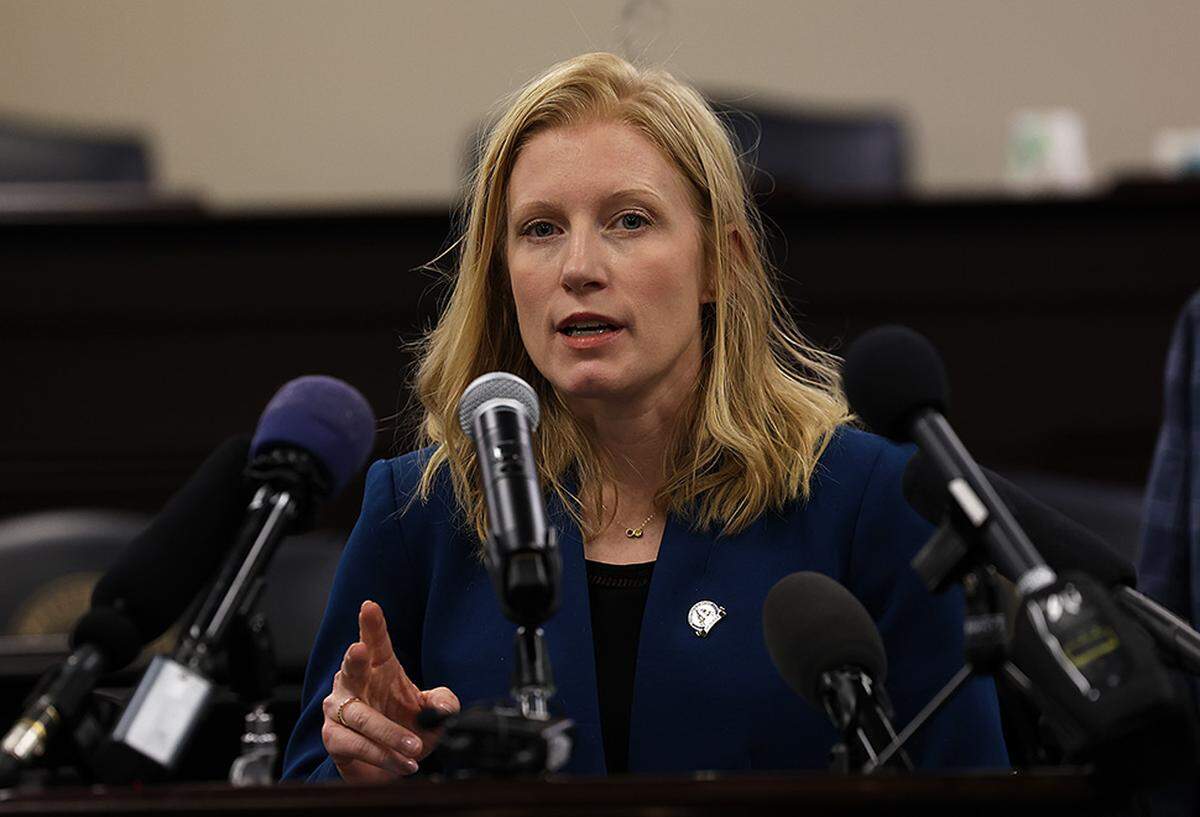
Chambers Armstrong said students with early access to learning opportunities are more likely to perform better as they progress in school, less likely to end up in the justice system and more likely to have higher lifetime earnings.
According to a longitudinal study of Georgia’s pre-K program conducted by researchers from the University of North Carolina, children who attended Georgia’s program had better language, literacy and executive function skills in third and fourth grade compared to children who did not attend a pre-K program.
“When I talk to my community about pre-K for all, people are excited,” Chambers Armstrong said. “I actually had one of Gov. Beshear’s Team Kentucky ‘pre-K for all’ signs in my yard. I would have people, if they saw me out working in my yard, they would stop, and they would say: I agree. Preschool so important.”
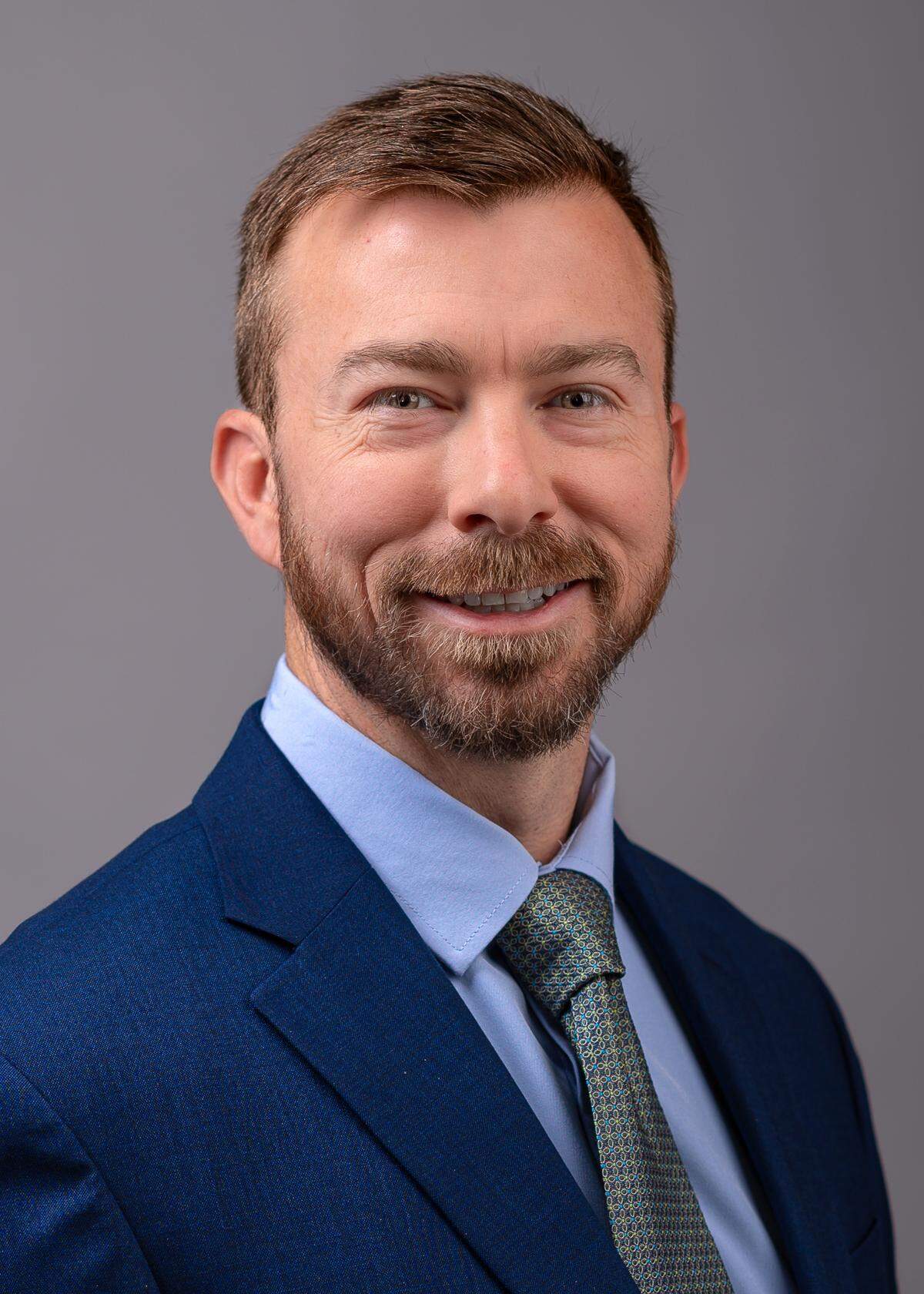
Rep. Adam Moore, D-Lexington, said the pilot program will benefit families and Kentucky’s workforce by allowing parents to return to work.
The average annual price for a center-based care in Kentucky is $12,740, or $1,062 per month, according to the First Five Years Fund 2025 State Fact Sheet.
“It lets that mom or that dad immediately go back into the workforce, which ... increases the tax base, and it’s so much better for that family because that brings so much more money into that household,” Moore said. “I think it’s just a huge win for individual families and our state economy.”
Republicans voice concerns over financial impacts
Some Republicans are concerned about pre-K for all’s costs and impacts on private early childhood care centers.
“How are you going to pay for it?” Sen. Steve West, R-Paris, said in an interview with the Herald-Leader. West chairs the Senate Education Committee.
Beshear has previously pitched different funding methods to the GOP-dominated legislature during budget sessions.
In Beshear’s executive budget proposal for the next two years, he outlined a multi-year phase-in plan for pre-K that would cost $40.5 million in fiscal year 2028 and a $10 million for a data system to support it. The funding would have come from the state’s sports wagering excise tax.
That was a modest proposal compared to Beshear’s ask in 2024 — which was to fund an annual recurring cost of $172 million to start the program for 34,000 Kentucky 4-year-olds.
Lawmakers didn’t grant Beshear’s ask — on pre-K or a plethora of other budget proposals.
West said he has previously asked Beshear’s administration what would be the funding source for the program, which he said they replied with “the lottery and sports gaming.”
“The problem with that is funds from the lottery are already allocated to scholarships, and money from sports gaming is already going to the permanent pension fund, and so those funds are already allocated elsewhere,” West said. “...Then if we do implement pre-K for all, you immediately put out of business all existing private early child care centers in the state.”
House Speaker David Osborne, R-Prospect, said in a statement that Beshear’s move is “robbing one program to create another or without a plan for what happens when funding is exhausted.”
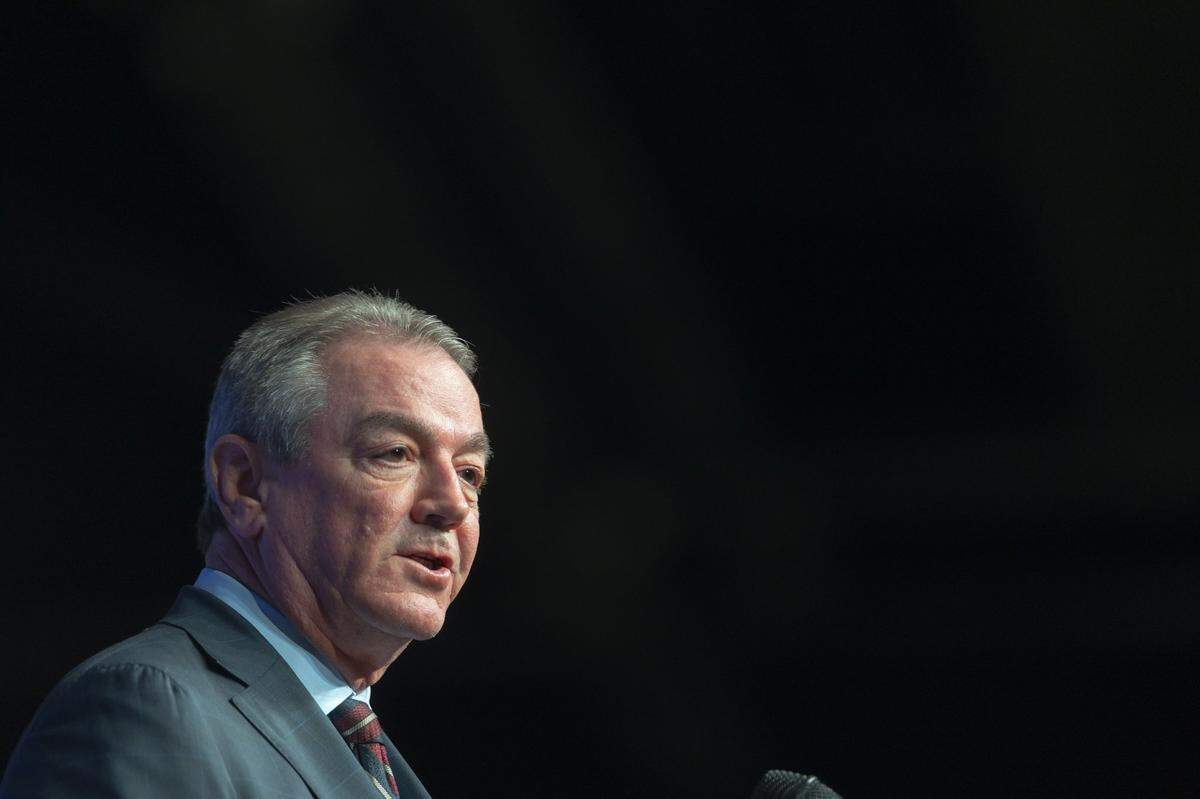
“This proposal also represents a significant and far-reaching policy shift — one that deserves careful consideration, meaningful collaboration with the legislature, and a long-term strategy,” Osborne said. “The governor has continually failed to present a thoughtful, well-developed plan in a manner that garners even modest support from lawmakers.”
West also brought up staffing and building concerns should Beshear keep pursuing pre-k for all.
According to a 2025 Kentucky Educator Survey, there were 2,421 total staffing vacancies across the state, with 671 of those being certified teacher vacancies.
“We have an existing teacher shortage for K-12,” West said. “Secondly, where are you going to house these facilities? These school districts would have to build new buildings, new child care centers. They’re currently having trouble building the (current) school buildings.”
Senate President Robert Stivers, R-Manchester, voiced similar concerns and said in a statement: “Expanding pre-K access on a larger scale naturally raises questions about staffing capacity, recruitment challenges and the long-term strain additional expansion could place on an already stretched education workforce.”
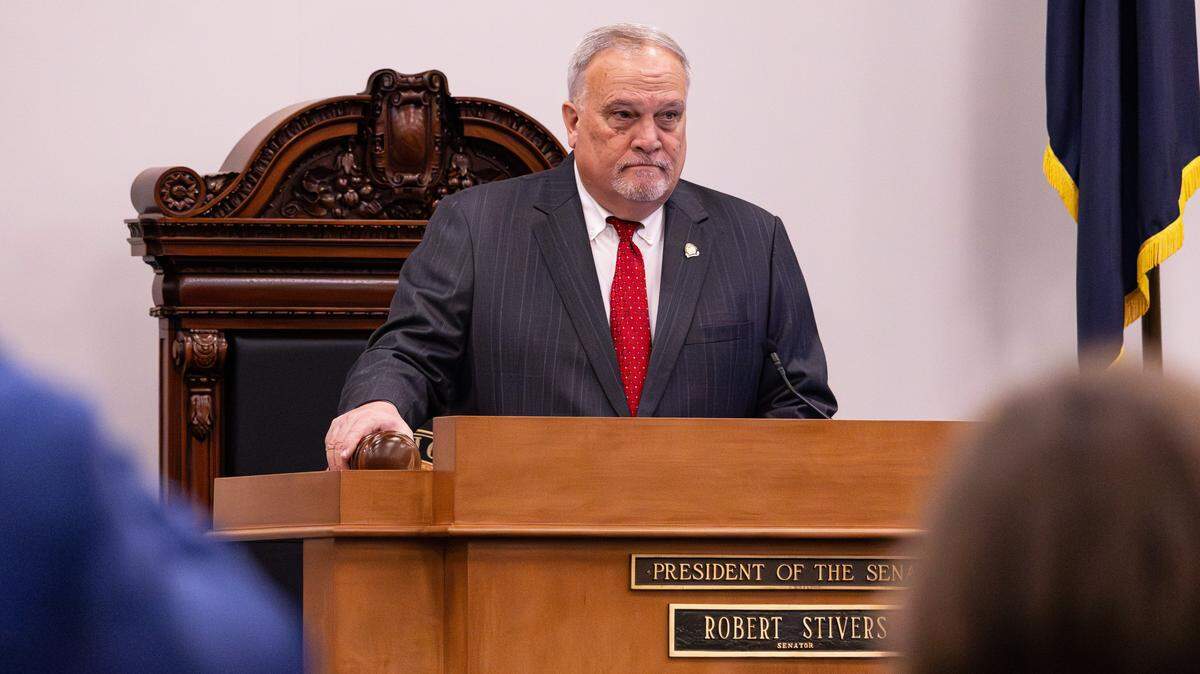
Beshear said in a statement to the Herald-Leader that if Republicans are concerned about a teacher and workforce shortage, they should have invested pre-K for all and teacher raises.
“Kentucky’s educators deserve a long-overdue raise, as our state ranks 42nd in the nation for teacher pay. Additionally, Pre-K for All is projected to grow Kentucky’s workforce by 70,000, because it would allow more parents, especially women, to rejoin the workforce through access to quality and affordable childcare,” Beshear said.
“Ask any educator – Pre-K for All will help with public education workforce, as teachers won’t have to quit because they can’t afford private pre-K or childcare on their salaries.”
Beshear has asked the legislature to include teacher raises in previous state budgets, including pitching a 7% raise over the next two years during this year’s session. The General Assembly has consistently swatted down those ideas, with Republicans arguing teachers’ pay should be a local decision.
Chambers Armstrong said she believes implementing teacher raises would help recruit and retain staff in the preschool sector.
“When we look at bringing high quality programs, it’s important that we pay those educators like they’re educators,” Chambers Armstrong said. “Pre-K is not day care. It is not babysitting. It is education, and folks need to be paid to reflect that.”