
Kentucky will receive millions in funding to clean up abandoned coal mines, create new jobs
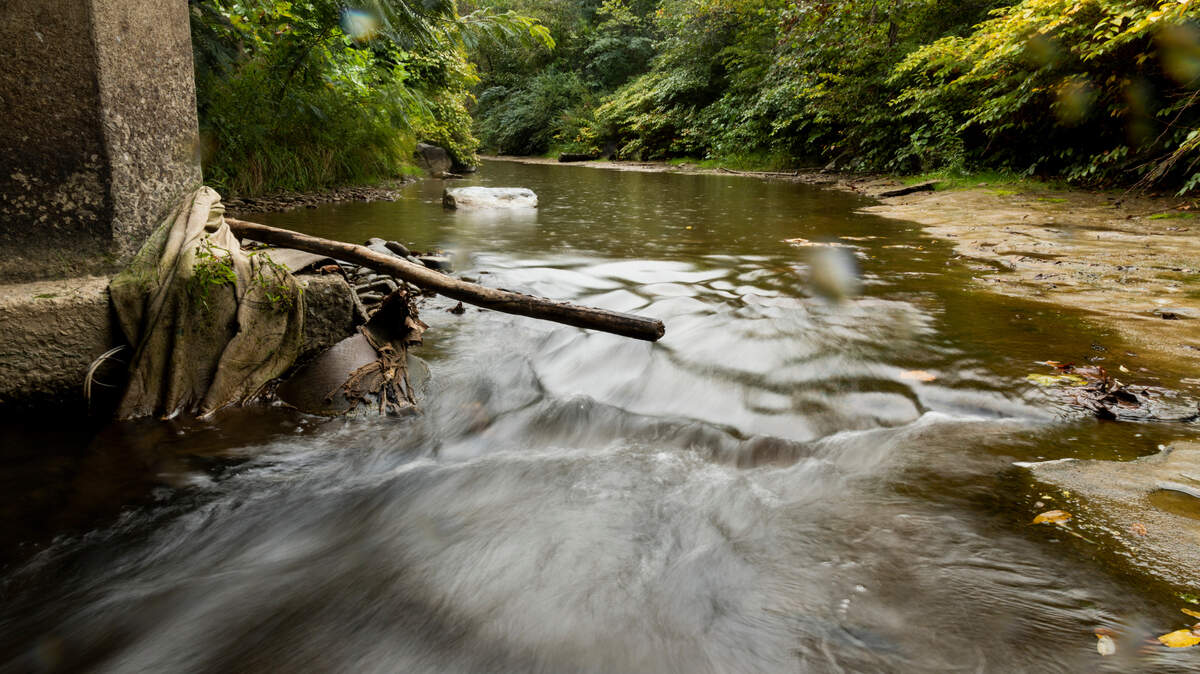
Kentucky is set to receive a large bump in funding to close dangerous mine shafts, reclaim unstable slopes, improve water quality from acid mine draining and restore water supplies damaged by mining.
A part of President Joe Biden’s Bipartisan Infrastructure Law passed by Congress last year allocated $11.3 billion in Abandoned Mine Lands funding. Kentucky will receive more than $74 million annually over a 15 year period. The state’s 2021 grant distribution was $9.27 million.
“The Bipartisan Infrastructure Law’s historic investments will help revitalize local economies and support reclamation jobs that help put people to work in their communities, all while addressing environmental impacts from these legacy developments,” U.S. Interior Secretary Deb Haaland said.
These projects to clean up former mine sites enable economic revitalization by reclaiming hazardous land for recreational facilities and other economic redevelopment uses, like advanced manufacturing and renewable energy deployment.
This funding is separate from the federal Abandoned Mine Lands Economic Revitalization program, or formerly called the AML Pilot Program, that provides grant money for economic development projects on former coal mine land or the land adjacent, such as Pikeville Medical Center Children’s Hospital and eKentucky Advanced Manufacturing Institute in Paintsville.
Joe Jacobs, economic development director of Big Sandy Area Development District, said the Division of Abandoned Mine Lands has been a valuable partner in community and economic development in the Big Sandy region. The additional investment in the program will spur job creation, economic diversification and quality of life improvements for Eastern Kentucky.
“The Abandoned Mine Land reclamation program has delivered hundreds of millions of dollars to Kentucky communities to help reclaim unused mines and drive economic development. From improving our water systems, to establishing education opportunities, to constructing exciting tourist destinations, this program has helped Kentucky take full advantage of previously unused land and create new jobs in the process,” U.S. Sen. Mitch McConnell said.
The funding will prioritize projects that employ dislocated coal industry workers. States and tribes will receive guidance in the next few weeks on how to apply for this funding.
“We have shown and continue to show great ingenuity and creativity in creating the jobs of the future — and this funding will create the jobs to reclaim these abandoned mine lands, making them safe and usable,” Gov. Andy Beshear said. “And once that’s done, we will work to fill those spaces with industries that will keep jobs in the region.”
How will the money be spent?
As required by the Infrastructure Investment and Jobs Act, these allocations were determined based on the number of tons of coal historically produced in each state or on Indian lands before August 3, 1977, when the Surface Mining Control and Reclamation Act of 1977 was enacted. West Virginia will receive $140 million annually and Pennsylvania will receive $244 million annually.
The full cost to reclaim all remaining AML sites in the nation will likely exceed $20 billion, but the new funding roughly equals the reclamation costs currently in the federal database, according to environmental groups.
Appalachian Citizens Law Center, Appalachian Voices and the Ohio River Valley Institute have laid out recommendations for best practices to ensure clean up and restoring the environment, while also helping to support coal communities in economic transition.
“We applaud Congress for making this transformative investment, and the Office of Surface Mining for taking swift action to distribute the funding to the state and tribal programs,” said Chelsea Barnes, legislative director for Appalachian Voices. “However, the impact of these dollars will depend on how OSMRE (Office of Surface Mining Reclamation and Enforcement) interprets the law and the guidance it provides to the implementing agencies.”
Coal community groups recommend planning how unspent funds should be reallocated; improving the quality and scope of the AML inventory to ensure that more accurate remediation costs are developed and that new factors are included in assessment of sites, such as the amount of methane emitted; and guaranteeing that jobs created through AML spending are good-paying jobs.
“Historically, implementation of the AML program has not prioritized workforce impacts. We think the time has come for a shift in the AML program to include the AML workforce as a key stakeholder in implementation, and to prioritize job quality and other workforce components of AML reclamation as core to the program,” the groups stated.
This story was originally published February 8, 2022 at 2:06 PM.