
Kentucky has 2 rattlesnake species. Here’s what to do if you happen to encounter one
The Bluegrass State is home to two rattlesnake species, but unless you’re spending a lot of time in the deep woods or wandering through scrubby swamps, you aren’t likely to encounter one.
Still, it pays to be aware and know how to identify them so you can keep a wide berth. In all, Kentucky has four species of venomous — not poisonous — snakes.
Here’s what to know about the two rattlesnake varieties found in the commonwealth.
What to know about Kentucky’s pygmy rattlesnake
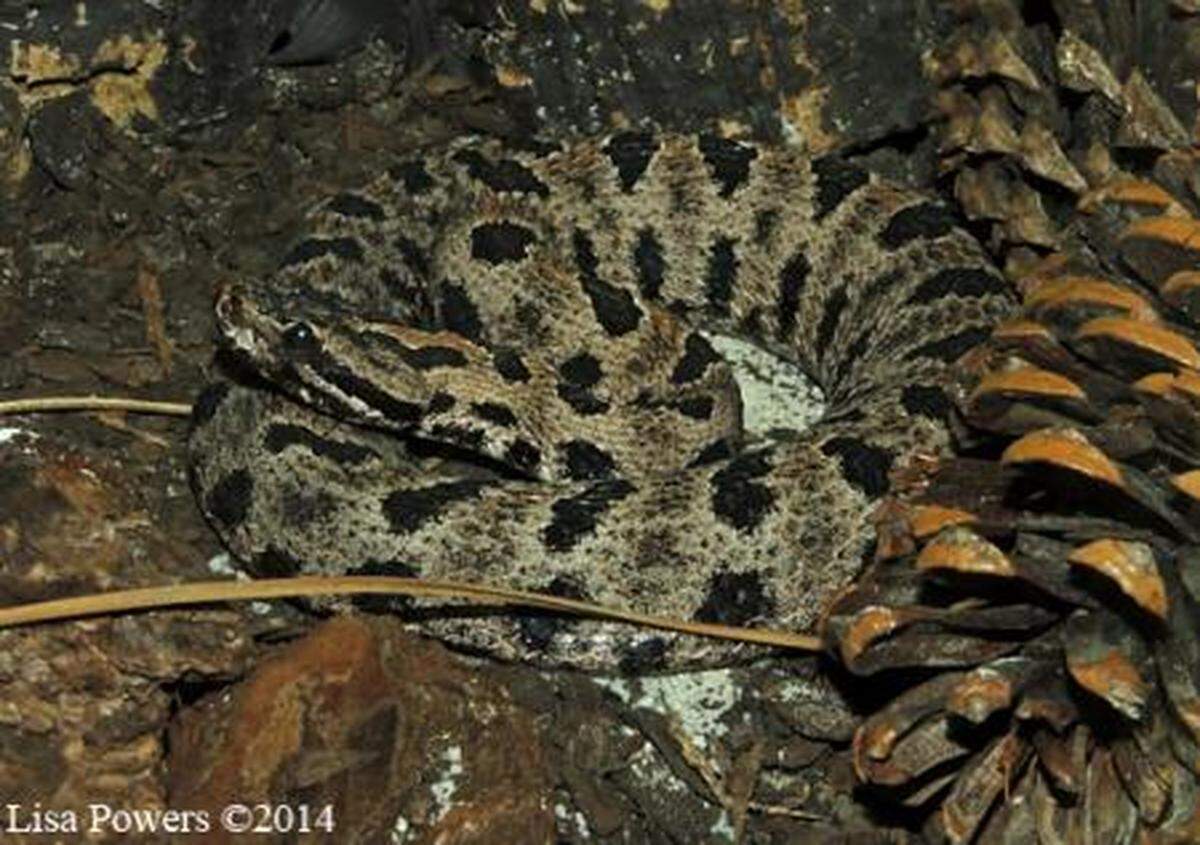
The pygmy rattlesnake (Sistrurus miliarius) earns its name.
Compared to the timber rattlesnake, it’s much smaller, reaching only about 1 to 2 feet in length. Its gray to gray-brown back is dotted with dark-colored, roughly oval-shaped blotches. A dark gray to black stripe runs from the edge of each eye to its jaw.
Pygmy rattler babies look much like adults, with yellow-tipped tails. The snakes generally have skinny tails with small rattles that sound a lot like a buzzing insect, a profile of the snake from the University of Kentucky says.
In Kentucky, the pygmy rattlesnake has a very limited range and is only found in the Land Between the Lakes.
What to know about Kentucky’s timber rattlesnake
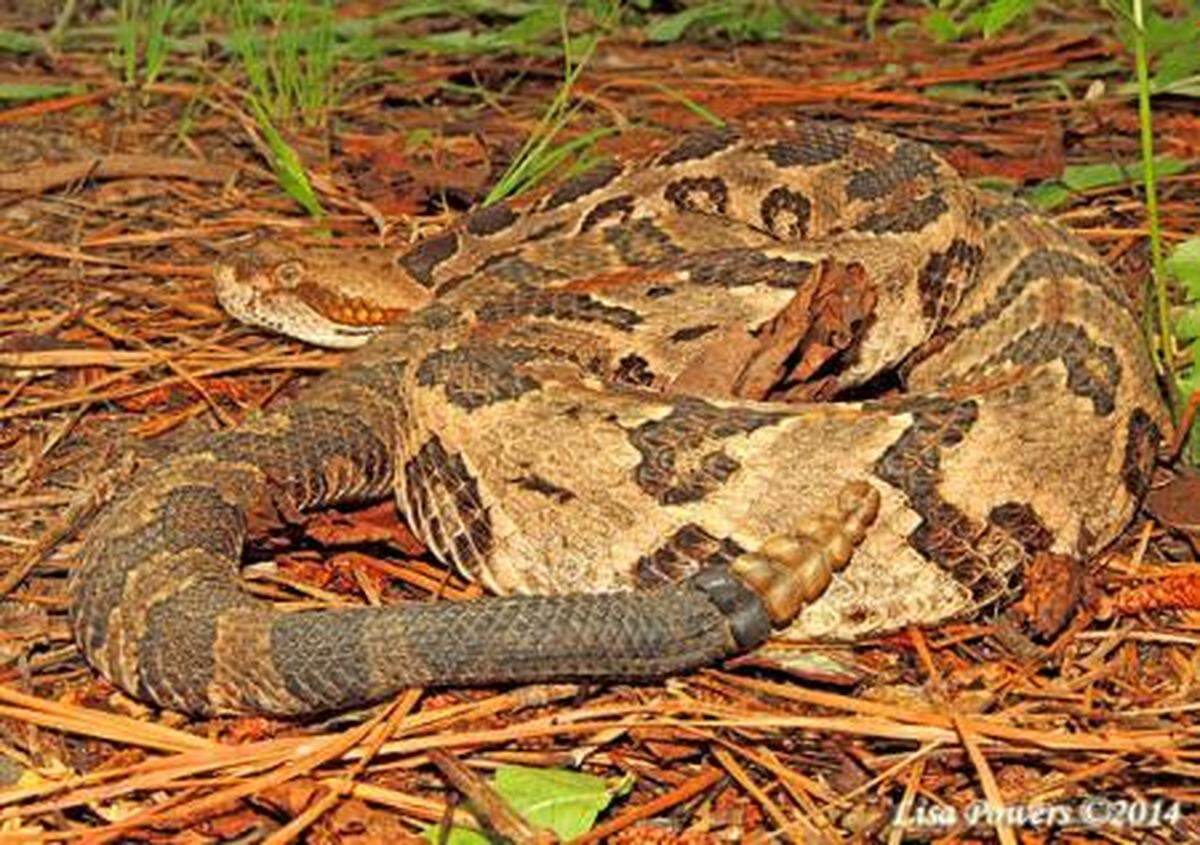
The timber rattlesnake (Crotalus horridus) is Kentucky’s largest venomous snake and can reach 5 feet in length, though there are reports of it growing as long as 7 feet, according to the Smithsonian’s National Zoo and Conservation Biology Institute.
You can identify a timber rattlesnake by its obvious rattle and dark, chevron-shaped bands on its back. They are sometimes confused with eastern diamondback rattlesnakes, though there are noticeable differences. For instance, according to the Kentucky Reptile Zoo in Slade, timber rattlers are commonly called velvet tails because of their soft, black tail tips that resemble velvet.
Like other pit vipers, the timber rattlesnake’s venom is strong enough to kill a human. Luckily bites are rare, and the snakes themselves are quite reclusive. They are denizens of the deep woods, with their range restricted to heavily forested areas.
Though their range extends across the state, timber rattlesnakes haven’t been found in the Bluegrass region and Northern Kentucky, according to a profile of the snake from the University of Kentucky.
If you find one in the wild, you’ll know you’re truly in the wilderness. They typically reside in stump holes, in abandoned mammal burrows or on rocky outcroppings, especially those facing the sunny south or southwest.
Outside of Kentucky, their numbers are dwindling across their range, which extends as far north as New York and as far south as Florida. In Kentucky, however, their numbers are relatively strong.
It was once a popular legend that Kentucky’s Department of Fish and Wildlife Resources stocked the rattlesnakes by airdropping, but the department disputes that claim. Over-killing has made them a priority for Kentucky Fish and Wildlife, however. Because of their imposing appearance, people often kill them on sight.
What should I do if I encounter a rattlesnake?
The Division of Wildlife Resources in Utah, which is home to five rattlesnake species, generally recommends keeping your distance and your cool if you encounter such a creature. More specifically, you should:
- If you hear a rattle, do not jump. Pause and observe your surroundings to see if you can find the source of the sound. This way, you won’t approach it or accidentally step on it. Rattlesnakes will let you know when they’re around and don’t want you nearby. Respect that.
- Once you locate one, call it out to any other people you’re with, and keep children away.
- Do not attempt to kill them. This only raises your risk of being bitten.
- Do not throw anything at them. This only risks further agitating the snake, which might compel it to approach you.
- Do not let your dog free-roam where you know venomous rattlesnakes are found. It’s best to keep your dog on a leash for their own safety.
Do you have a question about wildlife in Kentucky for our service journalism team? We’d like to hear from you. Fill out our Know Your Kentucky form or email ask@herald-leader.com.
This story was originally published June 5, 2023 at 10:35 AM.