A rare hummingbird is among the colorful, migratory birds seen in Kentucky in fall
With autumn well underway, Central Kentucky residents can look forward to a host of seasonal birds in the area, including colorful migratory species and maybe even some rare hummingbirds.
Some popular species, including cardinals, goldfinches and others, may be a bit more difficult to recognize this time of year.
“Every bird goes through a molt, which is basically replacing the old, weathered, faded, and there’s a lot of broken feathers, with new, fresher ones,” Ronan O’Carra, board member of the Central Kentucky Audubon Society and editor of the Kentucky Ornithological Society’s journal, The Kentucky Warbler, told the Herald-Leader earlier this fall.
Even though some fan favorites may not boast their typical breeding-season colors, there are still plenty of exciting species to keep an eye out for. In addition, you may still be able to catch a glimpse of species traditionally thought of as “spring” birds, such as hummingbirds.
“Anytime you have flowers in the garden or feeders up and it’s November and there’s a hummingbird around, that’s when you want to have a look at them because you may have a rare bird,” O’Carra said.
One potential unique visitor is the rufous hummingbird, which is burnt-orange in color. O’Carra recommends birders leave out their hummingbird feeders throughout the colder months for a greater chance of seeing the species. You can even get heated hummingbird feeders that keeps the nectar from freezing.
If you’re interested in birding in a group, you can check out the Central Kentucky Audubon Society’s calendar for bird walking events. The organization has several bird walks on the calendar for November.
Whether you’re headed out to go birding or simply watching your backyard feeder, here are five species to look for in the Lexington area this fall and winter.
White-throated sparrow
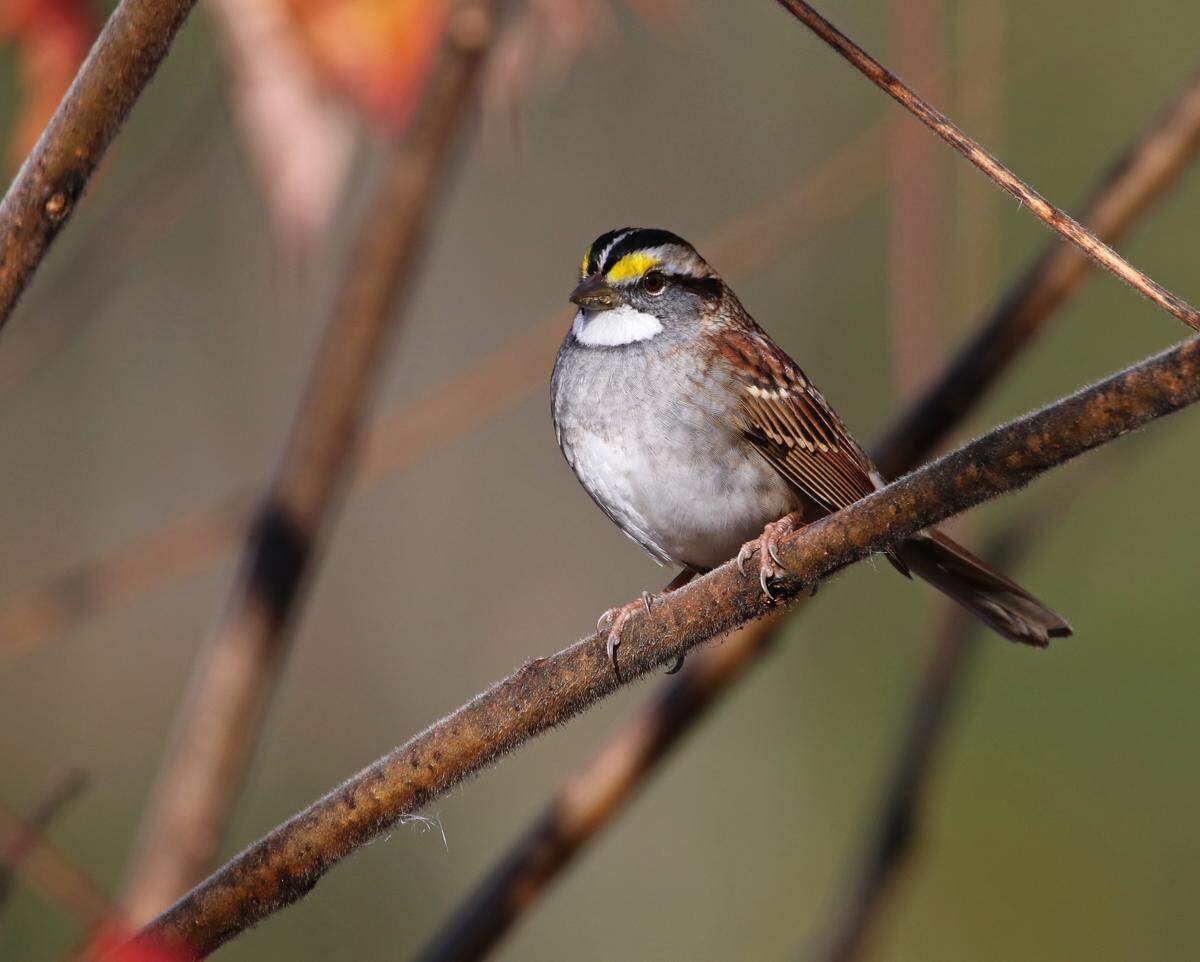
The adult white-throated sparrow has a wingspan between 7.9 and 9.1 inches and is rather “plump,” The Cornell Lab’s All About Birds reports. Along with its white throat, the species also features a black and white striped head and a yellow marking above its eyes.
You’re likely to find a white-throated sparrow around thickets, brush and ponds, the National Audubon Society reports.
White-throated sparrows are also regular diners at bird feeders, and they tend to eat black oil sunflower seeds, hulled sunflower seeds, cracked corn, millet and milo, according to The Cornell Lab’s Project FeederWatch.
Fox sparrow
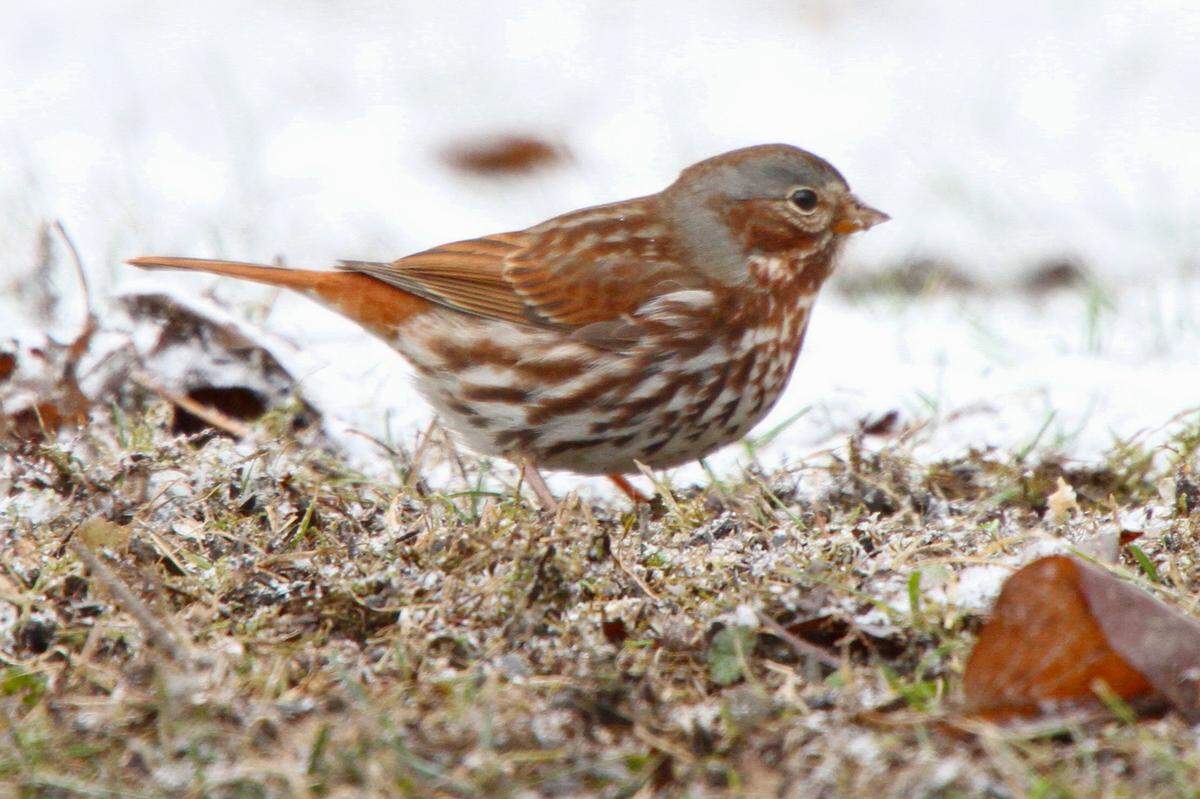
Fox sparrows are “chunky” with rounded heads, All About Birds reports, and their coloring and patterns vary based on sex, age and location.
The birds spend much of their days on the ground, searching for snacks like insects and seeds, according to All About Birds. They winter in forests and “scrubby habitat” and are most likely to be seen at bird feeders in colder months.
Fox sparrows will use platform feeders as well as ground feeders, and preferred meals include black oil sunflower seeds, hulled sunflower seeds, nyjer, cracked corn, millet and milo.
Pine siskin
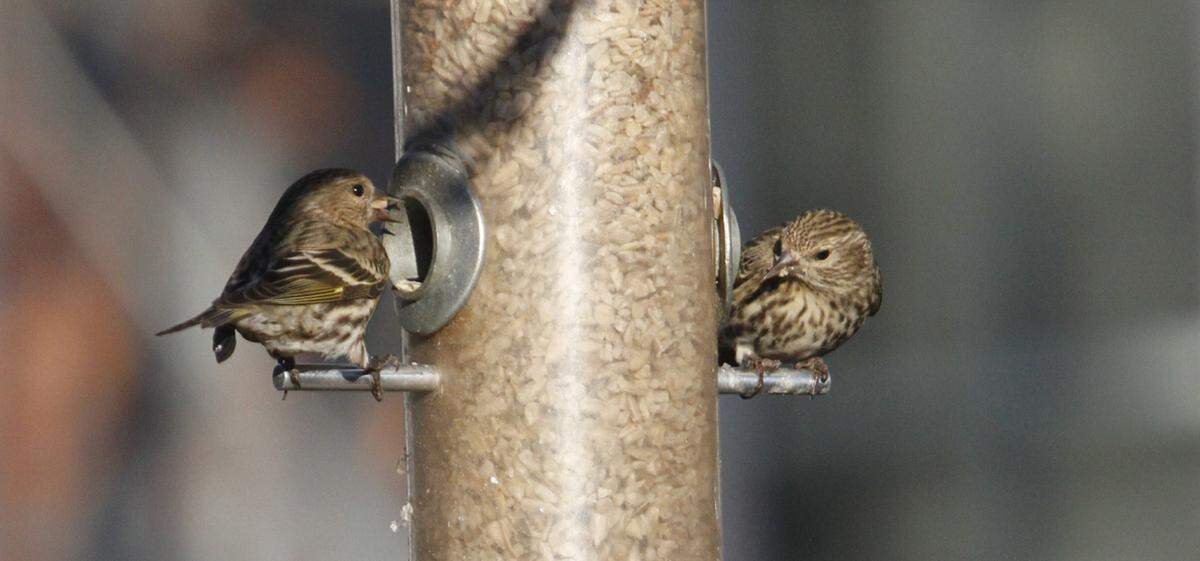
The pine siskin, a member of the finch family, is an active forager. You may find them in trees, shrubs or weeds, the Audubon Society reports. The species is quite small, with an average weight of just 0.4 to 0.6 ounces, according to All About Birds.
Pine siskins are mostly brown, with streaks of black all over and some yellow coloring on the wings and tail. They like to eat black oil sunflower seeds, hulled sunflower seeds and nyjer.
While it isn’t a guarantee you’ll see a bunch of pine siskins each year, you may be graced with a whole crew of guests.
“I remember a couple years ago I had a hundred pine siskins in my backyard. Next year, none. So these are ones that just come down, it’s great fun,” O’Carra said. “They do cost a lot when they eat all of your food.”
Magnolia warbler
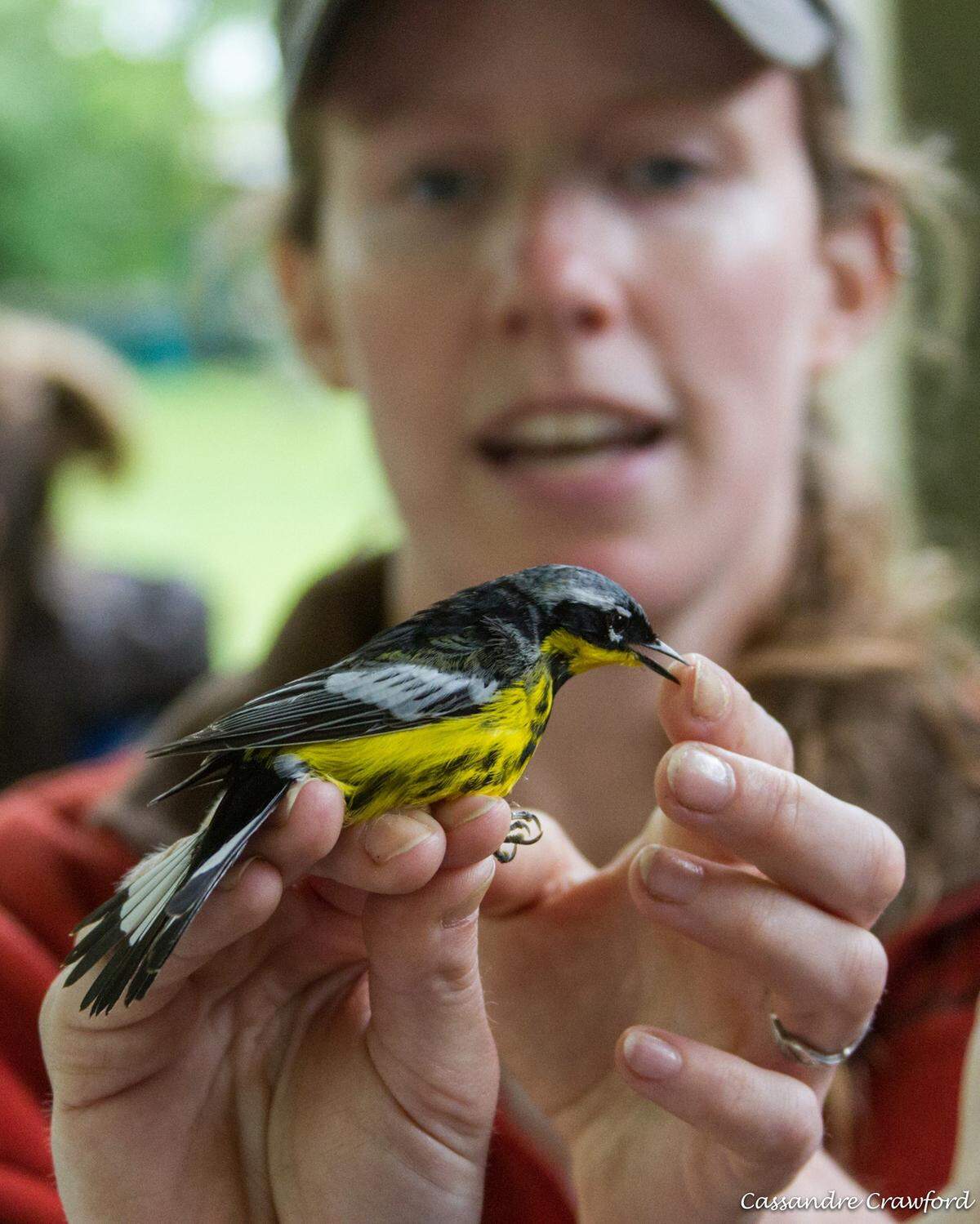
The adult male magnolia warbler is one of autumn’s more colorful migrants, boasting a bright yellow throat and chest with black details. Female and immature males of the species still feature some bright yellow, but usually have more gray.
During migration season, you may find magnolia warblers in dense vegetation at forest edges, according to All About Birds.
Although the species does not frequent feeders, you can help them out through landscaping with native trees and shrubs, All About Birds reports.
Common grackle
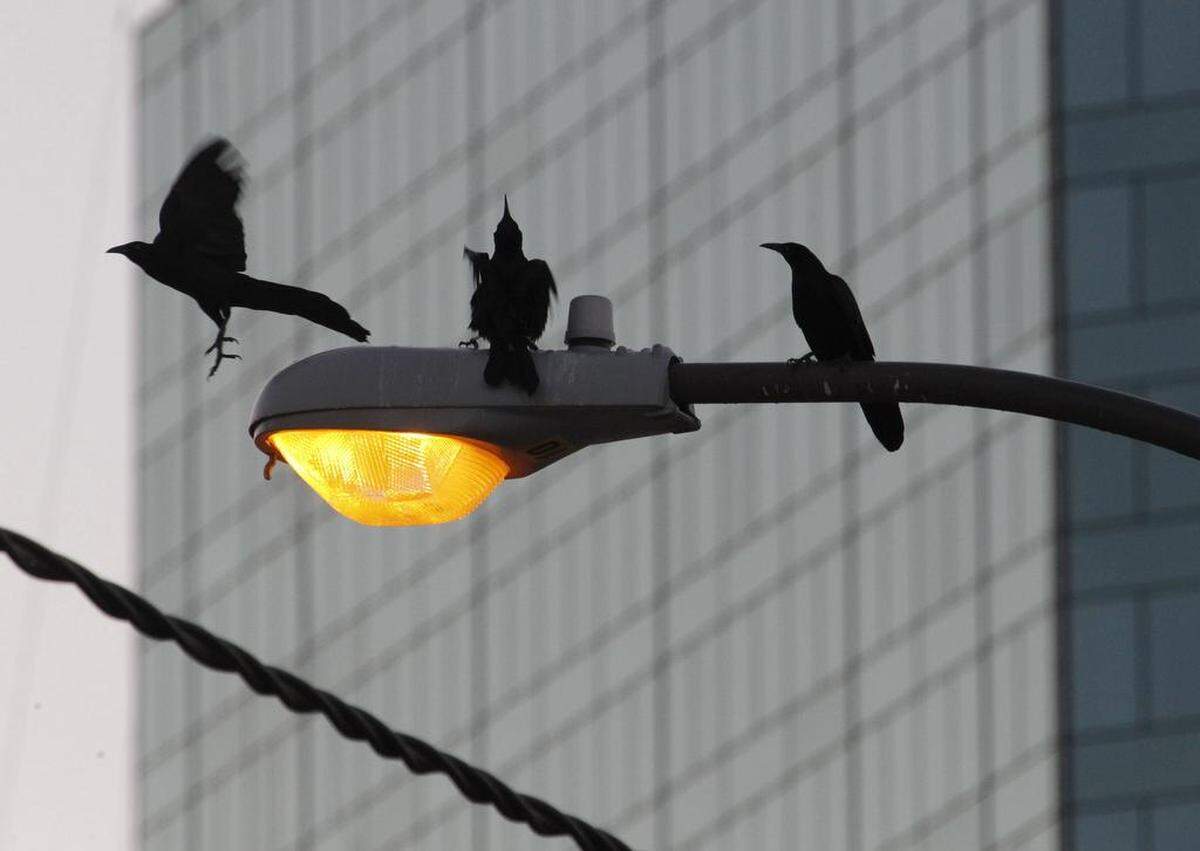
The adult male common grackle is large and dark with iridescent coloring across the body. The species is not a farmers’ favorite, as it presents the No. 1 threat to corn crops, All About Birds reports.
The oldest common grackle on record reached 23 years of age, according to All About Birds. The birds are resourceful and will eat a wide variety of things, including trash.
The common grackle enjoys black oil sunflower seeds, hulled sunflower seeds, safflower, suet, cracked corn, peanuts, peanut hearts, fruit, millet, oats and milo at feeders.
Do you have a question about critters in Kentucky for our service journalism team? We’d like to hear from you. Fill out our Know Your Kentucky form or email ask@herald-leader.com.