
KY’s 3 common ticks can carry lyme, other illnesses. Why you may get more bites
AI-generated summary reviewed by our newsroom.
- Kentucky's top ticks include deer ticks, dog ticks and Lone star ticks.
- These ticks transmit Lyme disease, Rocky Mountain Spotted Fever and AGS.
- Tick checks, protective clothing and prompt removal reduce infection risk.
Lyme disease, Rocky Mountain Spotted Fever and a mysterious allergy scientists are still working to unravel are among the illnesses Kentucky’s most common ticks can pass on to humans.
What’s more, climate change is likely contributing to tick spread, along with larger factors such as shifting wildlife populations and land use by humans.
A warming climate can lengthen the seasons ticks are active in, according to Jean Tsao, a Michigan State University entomologist who specializes in lyme disease and the blacklegged tick, a carrier of the bacterium that causes the disease. Tsao spoke during a recent SciLine media briefing on the topic.
“Some of the ticks are probably active a little earlier in spring, and they go a little later in fall,” Tsao said. “So they have much more time to complete their life, or several life stages. That probably has benefited survivorship of the ticks, and then, therefore, the whole population size, and then how much they can expand.”
The true extent of tick-borne disease in the U.S. is likely underappreciated, given surveillance systems are often underfunded. As Tsao explained, there isn’t a single organization in charge of gathering and tracking data in a timely manner. Approaches are often decentralized and subject to funding limitations.
“For ticks, the [U.S. Centers for Disease Control and Prevention] does what it can to fund different state health departments to conduct systematic surveillance for ticks. They provide the guidelines, but it always ends up being a matter of funding,” Tsao said.
If you spend any time outdoors in the Bluegrass State, you should know about the top three most common tick varieties. Here’s what to know about their habits, identification tips and the illnesses they can carry so you can protect yourself.
Kentucky’s top 3 most common ticks and the diseases they carry
As explained by University of Kentucky Extension entomologist Jonathan Larson during a recent livestreamed event, the state has three main tick species.
They include blacklegged ticks, commonly called deer ticks. In Kentucky, they’re associated with the spread of lyme disease. The females have an orange color, and the males have a creamy or khaki-colored horseshoe pattern.
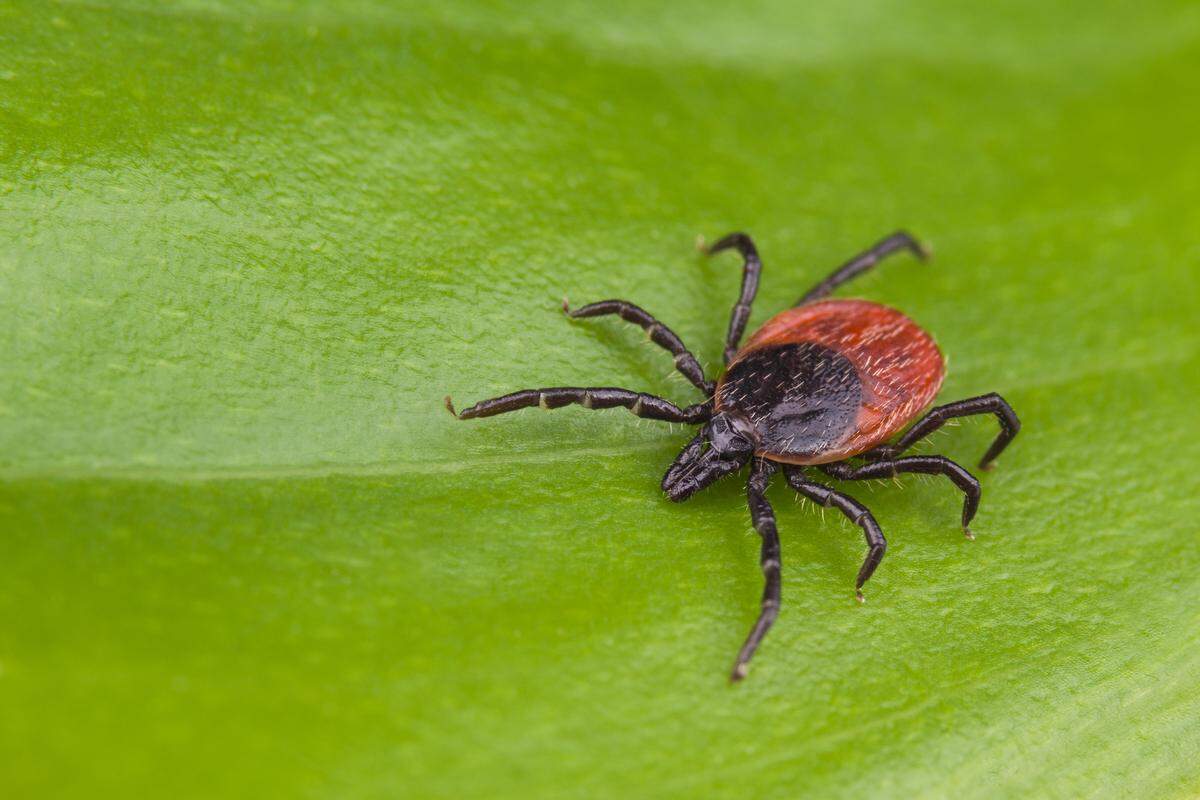
“Here in Kentucky, this is the only species that has been confirmed to carry this pathogen and then spread it,” Larson said.
Lyme disease is most famous for its bullseye rash, but the rash doesn’t always appear. More common symptoms include a high fever, fatigue and stiffness.
“We’re seeing more cases in Kentucky,” Larson said, “so if you’re bitten by this tick you start to feel like you have the flu, it would be highly advisable for you to go to the doctor and seek medical attention.”
Deer ticks can be active any day of the year when the temperature is above freezing, and they’re often encountered between October and February.
“Which unfortunately means we’re never really free of ticks here in the state of Kentucky,” Larson said.
The second common type is the dog tick, also sometimes called the wood tick.
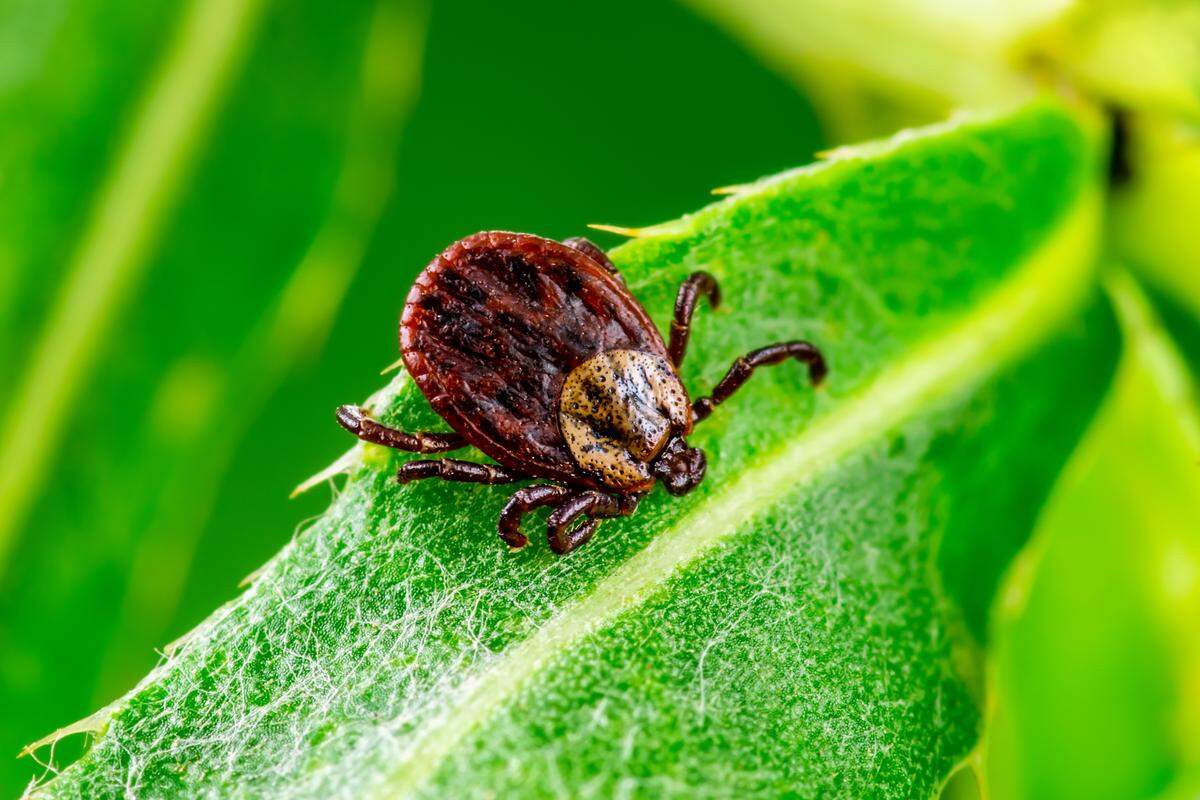
Adult dog ticks are active between April and August. They have a teardrop-shaped body, and the female of the species has a whitish “lace collar,” according to Larson. Male dog ticks have an inkblot pattern on their body.
Dog ticks are commonly found in areas with little to no tree cover. Think overgrown, grassy areas with a lot of brush.
In Kentucky, this tick is most associated with Rocky Mountain Spotted Fever, which despite its name, isn’t all that common in the Rockies. Symptoms include a red spotted rash on the palms and soles of the feet, a high fever and body aches.
Hotspots for the illness are Western and Southern Kentucky.
Finally, Lone star ticks, also known as turkey ticks or turkey mites, are also found in the Bluegrass State.
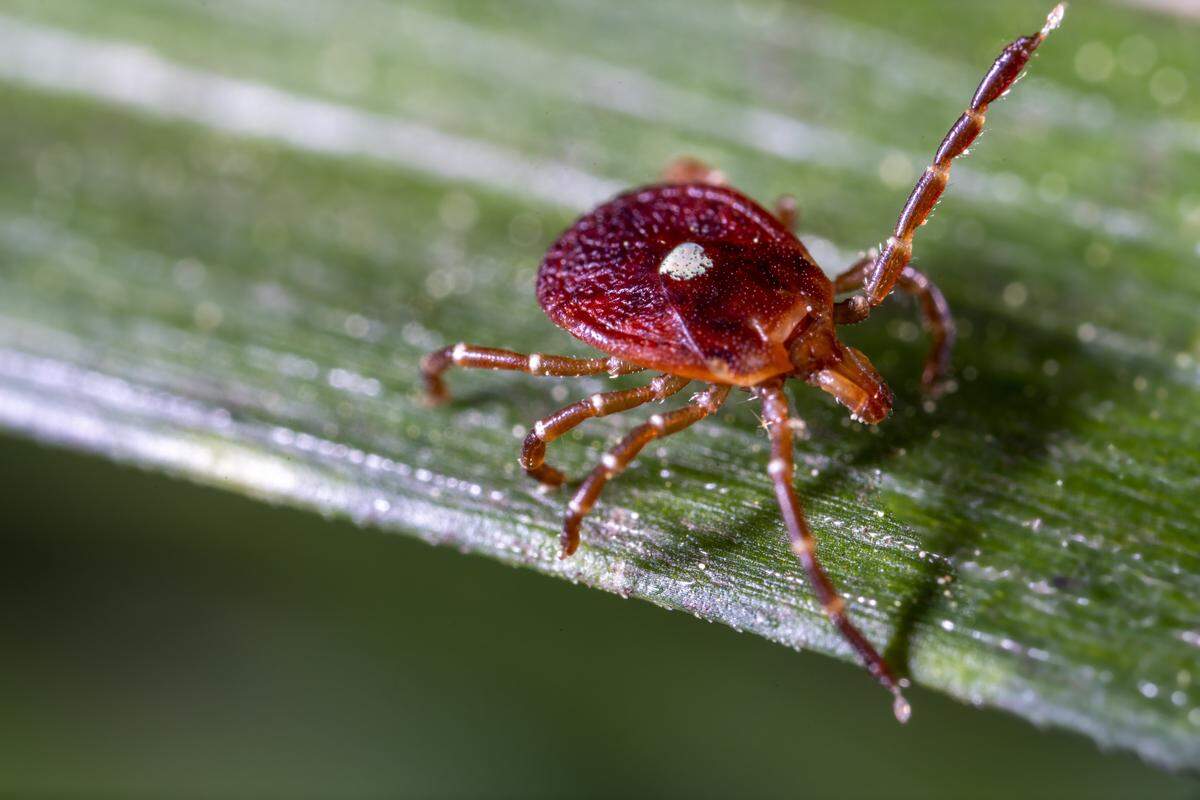
Most famous for its association with alpha gal syndrome, they are very common in Kentucky. Lone star ticks are also more active questers than other types, clambering after hosts rather than waiting for them to brush by.
“They are able to sense a potential host and try to get onto that host,” Larson said.
Compared to other ticks in Kentucky, these are shaped more like hockey pucks, according to Larson’s description. As they reach adulthood, lone star ticks look more oblong or egg-shaped. They also have larger mouth parts than other ticks.
Lone star ticks are usually dark orange. The adult male does not have a distinctive pattern, but the adult female has an eye-catching white dot on her back.
Adults are most active from April to August. Outside of those months, tiny seed ticks — their babies — tend to be more common.
Lone star ticks are known spreaders of alpha gal syndrome, or AGS. Commonly called the red meat allergy, the triggers often extend beyond burgers and barbecue. Any product with gelatin can trigger a reaction, from cosmetics to medications.
Symptoms of AGS look a lot like a food allergy, including hives, nausea, diarrhea, rapid breathing, decreased blood pressure, facial swelling, stomach pain and dizziness. More than one of these at the same time could indicate anaphylaxis.
There’s currently no treatment for alpha gal syndrome, though some cases can improve over time. UK’s Cooperative Extension Service offers tips for living with alpha gal syndrome, including recommended foods and lifestyle changes.
How can I avoid ticks in Kentucky and the illnesses they carry?
There are several ways to cut your risk for a tick bite. Wear long pants tucked into your socks, use tick repellents and avoid brushy, overgrown areas where ticks are common.
While ticks in Kentucky can spread several different diseases, there’s no guarantee a given tick will carry a pathogen or be able to spread it to you.
As explained by Larson, time is often a significant factor, underscoring why it’s important to check for ticks after spending time outdoors and to remove them quickly.
“There usually is a window of time to get the tick off of you before a pathogen is moved from the tick into you,” Larson said.
According to UK’s Department of Entomology, the best way to remove a tick is with a pair of fine-tipped tweezers. Take the tweezers and move them as close to the skin’s surface as possible near the tick. You want to get the entire tick out without tearing off pieces that remain embedded in the skin.
Grasp the tick, making sure to get as close to the skin as possible. Pull up with steady, even pressure. Do not twist or jerk the tick. Disinfect the bite area with rubbing alcohol or soap and water. The person who removed the tick should wash their hands, as well.
Kentucky residents can preserve the tick in alcohol and have it tested as part of Kentucky’s Tick Surveillance Project.
Do you have a question about critters and wildlife in Kentucky for our service journalism team? We’d like to hear from you. Fill out our Know Your Kentucky form or email ask@herald-leader.com.