‘Professor of possibility.’ Gurney Norman’s legacy lives on in KY writers he mentored
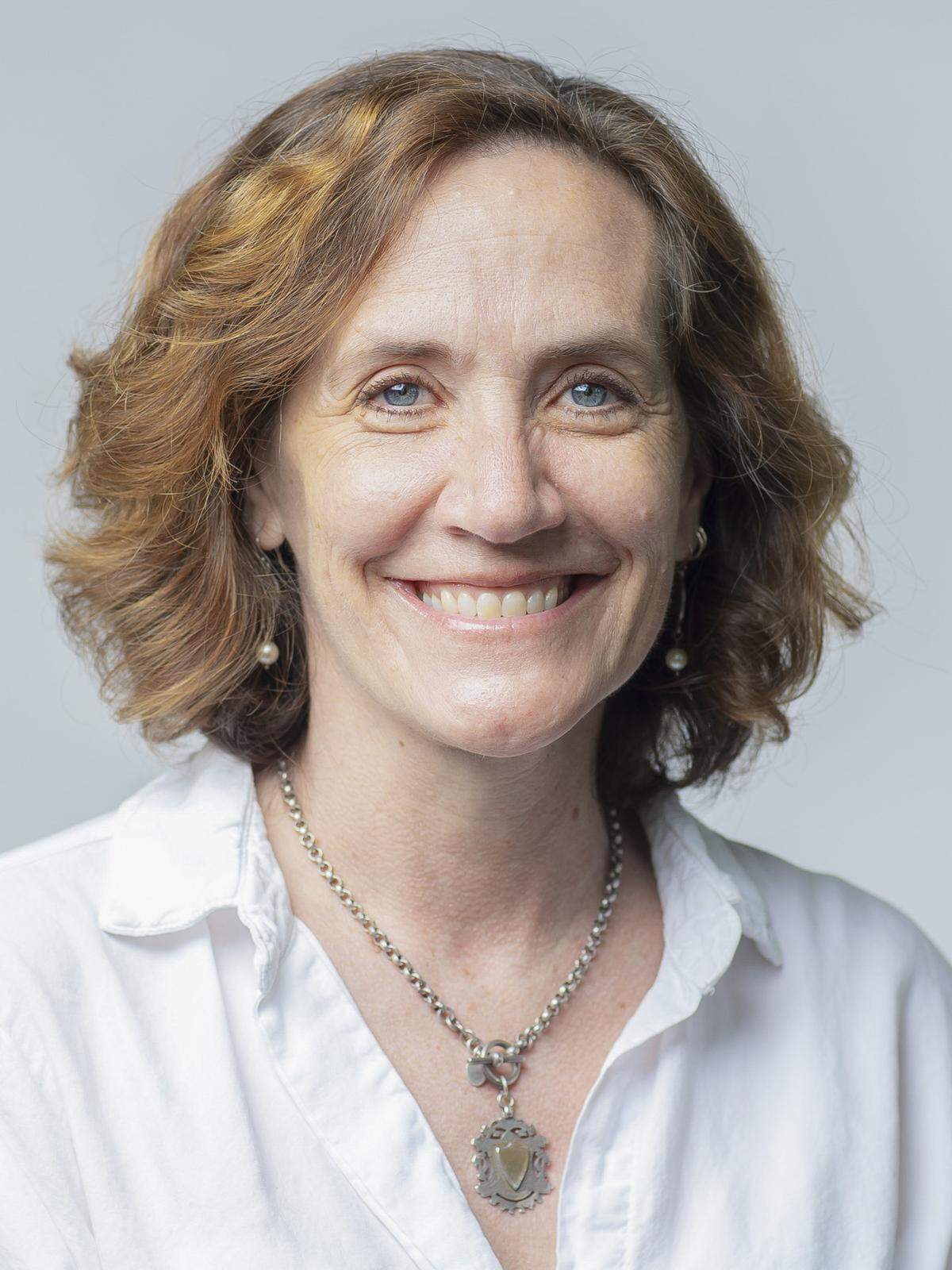
George Ella Lyon first met Gurney Norman in 1980. She was an aspiring poet, and he was the new director of the creative writing program at the University of Kentucky.
“He told me I had to go to the Appalachian Writers Workshop (at Hindman Settlement School), and he got me a ride to go there,” Lyon said. “That’s the way he was. He didn’t just say something — he put it into action.
The community she met at Hindman grew around her as she became an award-winning poet and writer.
“Gurney listened you into becoming,” she said. “I’ve never known such a person who listened to you like you were the most interesting person and believed in you in a way that enabled you to believe in yourself. ... My life was never the same after Gurney walked into it. He was like the professor of possibility.”
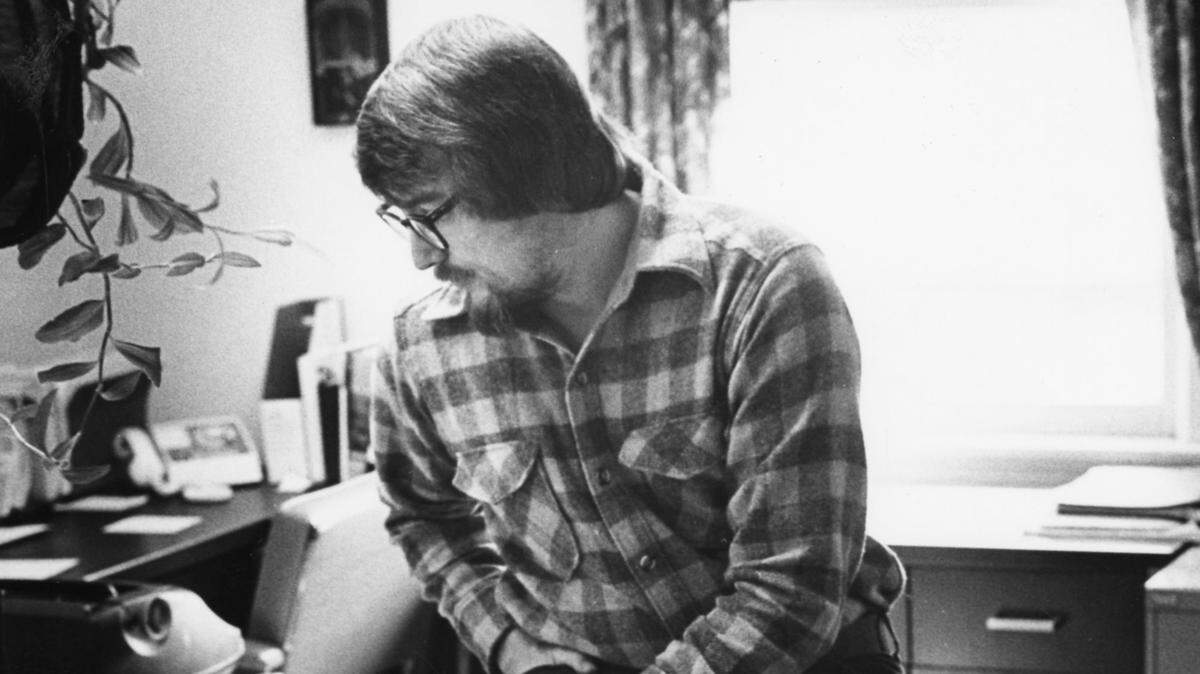
Norman, who died on Sunday, Oct. 12, at the age of 88, is known as one of Kentucky’s literary Fab Five, which included Wendell Berry, Bobbie Ann Mason, James Baker Hall and Ed McClanahan. He wrote esteemed novels, short stories and served as Kentucky poet laureate. But as word of his death spread throughout Kentucky this week, it became clear that his legacy is also closely tied to generations of other writers he also “listened into being” as a teacher, mentor, and friend.
He was an early champion of writers like Frank X Walker, Crystal Wilkinson, Willie Davis and Mandi Fugate Sheffel.
“What Gurney did in the classroom made me want to be a teacher,” said Walker, a poet who now teaches at UK. “What he did in the community made me want to be an activist. He made me believe I could be a writer and that my stories and poems had value.”
Once, Walker said in Norman’s presence, “I think I should write a poem,” and Norman responded, “I think you should write 100 poems.”
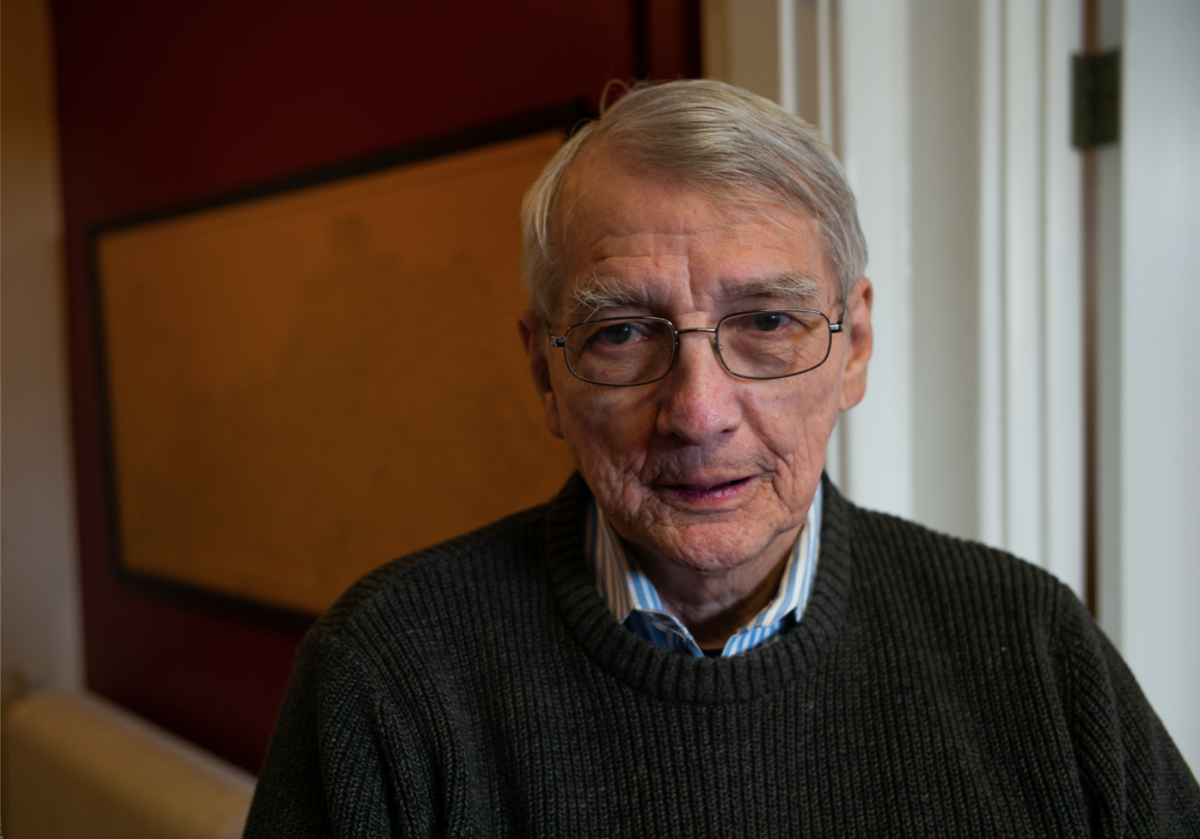
Bobbie Ann Mason first met Norman at UK in 1959, and said that like hundreds of other people, she felt he was her best friend ever since.
“He could penetrate into the essence of a person and see the possibilities,” she said. “He inspired me to go into journalism. I wrote columns for the Kentucky Kernel, and then he opened the way for writing fiction by insisting I take Robert Hazel’s creative writing class.
“This wasn’t a power thing. It was his good-hearted nature,” she said. “He was always giving. His students and protégés owe him more than we can figure out on this occasion of deep loss.”
“Gurney was dear and necessary to me, for nearly all our lives,” said another of the Fab Five, Wendell Berry.
Gurney Norman launched a thousand ships
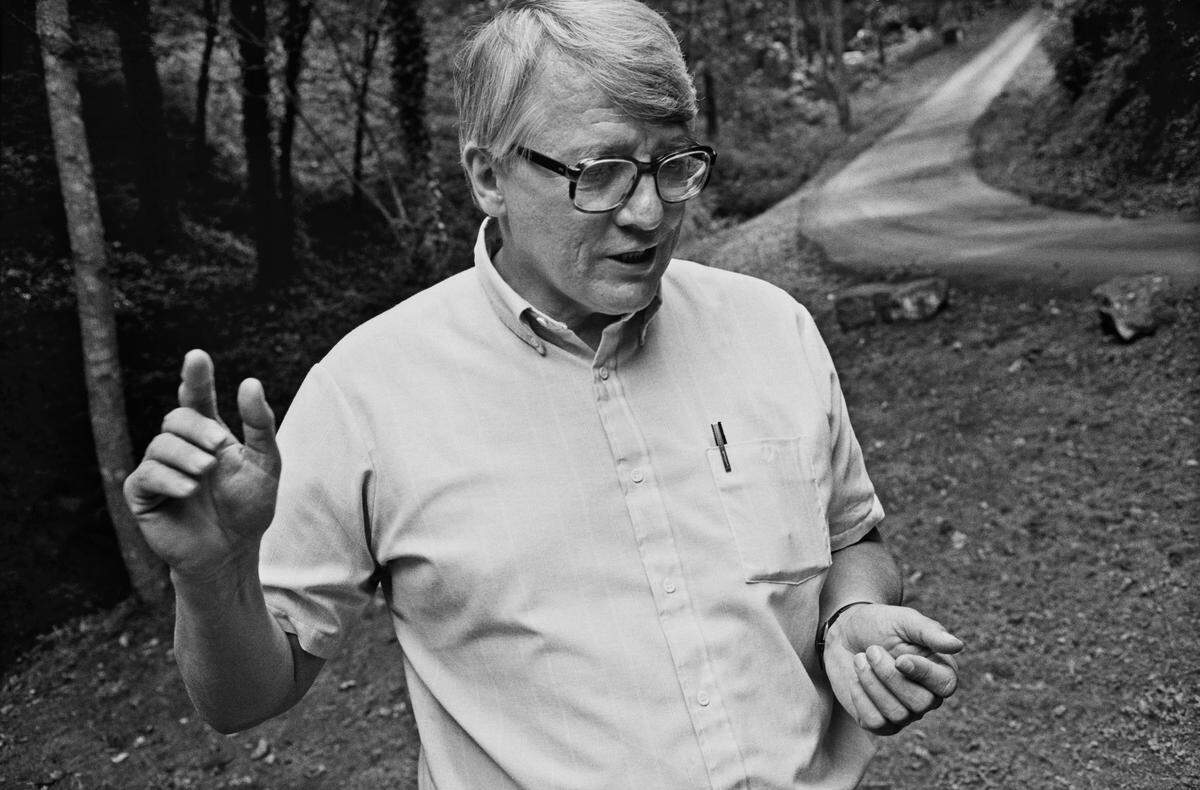
Lexington artist and writer John Lackey was one of Norman’s students at UK.
“Let’s say that trying to write a novel (or a short story, or a poem), is a game of cards, poker even, and Gurney has been at the table for decades, with old sharks like (Ken) Kesey, Bobbie Ann, McClanahan, and Wendell, so he really knows his way around a good hand, a sustained game,” Lackey said. “And so you come to him, you’re just learning about a full house, about body language and the tell. Gurney thought that everyone had a chance at winning, if they put their back into it and didn’t give up, so he would give them stake money and a pat on the back. He would listen, he would read, he would encourage.”
Lackey said once, Norman got really excited and surprised about a passage Lackey had written but was going to leave out of the final version.
“That was one of his superpowers,” Lackey said. “He believed in people, and he would do the work of finding evidence to support this belief, and shine a clear light on it for their sake. He lit the way out of the cave. He launched a thousand ships, and he never, ever tired of it.”
Julia Johnson, who followed in Norman’s footsteps as director of the UK Creative Writing program, said Norman saw the best in people and in their writing.
“He pushed students to be better writers and to do what they were already doing, only to do it better,” she said. “This is what made him such a rare and original teacher and writer. He wasn’t interested in the categories of genres or of particular ways of teaching creative writing. He was a rebel, in the best sense of the word.”
Gurney Norman, community builder
Robert Gipe, a writer and playwright in Harlan, first met Norman in 1989 in Whitesburg. Gipe had gotten involved in the Eastern Kentucky Teachers Network, where Norman was also active.
“He was super available to all kinds of K-12 teachers, humbly working with teachers about the region and how to honor their students’ culture,” Gipe said.
Norman had more of a sense of the importance of organizations and institutions, like the Appalachian Writers Workshop or Appalshop, than he may have gotten credit for,” Gipe said.
“He was such a blithe spirit, he was pixie-ish and would come in and throw pixie dust around, but he was really more of a systemic thinker,” Gipe said.
Gipe remembers Norman saying “It all is the work,” and “he had a very clear idea of what the work was — it was centered in writing and language and books, that kind of cultural product, but it was also how we related to each other, how we encouraged each other, how we build communities.”
Norman was also a servant-artist, Gipe said, who was a model for public university faculty. “He was the one we saw in Southeastern Kentucky, he was the one doing the work with the people paying the taxes. His sense of serving the Commonwealth with his presence was unparalleled.”
His devotion to Kentucky was enormous, said George Ella Lyon.
“He gave himself away, and when people say sometimes remark that he didn’t publish as many books as he might have, well, his lifework was larger than that,” Lyon said. “It’s profound.
“We each can carry a little of the light he gave us and pass it on.”
This story was originally published October 14, 2025 at 1:53 PM.