
Was that peacock in Winchester a legal pet? Here’s what exotics you can own in KY

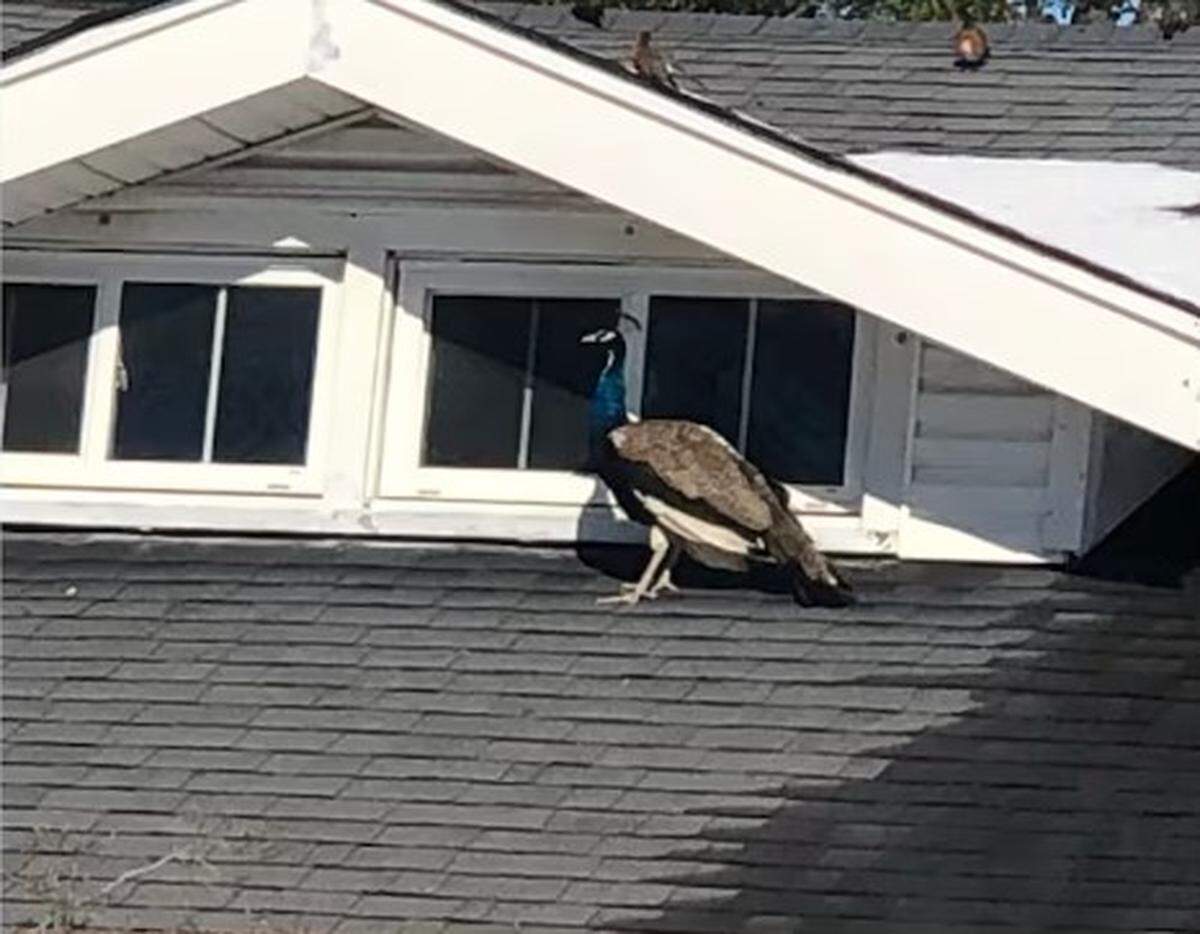
A loose peacock led police officers in Winchester on a chase earlier this week as the inquisitive animal hopped from roof to roof before it was eventually recovered.
Peafowl are regularly kept as livestock in Kentucky, and while they are considered exotic animals, they aren’t subject to permitting requirements from the Kentucky Department of Fish and Wildlife Resources.
Still, many other popular exotic animals — lions, and tigers and bears, oh my! — are subject to a patchwork of state and local rules in Kentucky, and importing or keeping them here could land you real trouble.
The KDFWR urges residents to understand their legal obligations before acquiring exotic animals. Not to mention, if you are in the market for one, you should think about whether it makes a good pet to begin with, according to the World Wildlife Fund’s Responsible Pet Guide.
Do you need a Fish and Wildlife permit to keep exotic animals in KY?
Generally, the answer is no, as long as the animal isn’t a banned species — like a tiger — and it doesn’t involve importing or transporting the animal from out of state.
The KDFWR does not issue permits for simply “holding” (i.e. possessing within Kentucky) exotic wildlife.
That said, importing or transporting exotic wildlife from outside the state does require a transportation permit. You cannot simply buy an exotic animal online and have it shipped to you. The state government has an interest in making sure exotic animals that could be dangerous to humans or hurt local ecosystems are properly transported.
There’s also a general rule against releasing exotic animals into the wild in Kentucky, though gamebird pheasants and chukars are the two notable exceptions.
What exotic species are no-go’s in Kentucky?
Barring a few limited exceptions, like accredited aquariums and zoos, Kentuckians may not keep many different exotic wildlife species because they either harm native ecosystems or present a danger to humans.
Species banned in Kentucky for the environmental risks they pose include fruit bats, prairie dogs and the invasive nutria, to name a few.
Several big cat species, primates, bears and other “wow-factor” animals that some people like to keep are also banned in Kentucky.
A full list of prohibited exotic wildlife is available on Kentucky Fish and Wildlife’s website.
Which exotic species are exempt from Fish and Wildlife permits?
The state agency lists many different species that are exempt from permit requirements of any kind.
Examples include exotic animals regularly kept as pets or livestock, such as guinea pigs, llamas or peafowl. You don’t need a permit to import, transport or possess those types of animals, according to the department.
What all this means in practice, according to KDFWR, is as long as you’ve legally obtained an exotic species that isn’t banned in the state and there are no plans to move it out of Kentucky and bring it back, you won’t need a permit from the department.
What other state and local laws apply to exotics in Kentucky?
Kentucky Administrative Regulation 2:082 lays out state rules for transporting and holding exotic wildlife, but something else to consider is that other state and local laws may apply.
For example, Kentucky Revised Statutes 65.877 grants local governments the authority to ban dangerous animals identified by KDFWR as a threat to human health and safety.
Lexington, has its own ban with violations subject to $200 to $500 fines and impounding fees charged each day a violation occurs. However, it does make exceptions for accredited zoos and aquariums, licensed theatrical exhibits, carnivals or circuses, authorized wildlife rehabilitators, licensed veterinary hospitals or any federally licensed research institution, the city’s ordinance states.
The KDFWR notes local ordinances can be stricter or more expansive than state regulations.
“It is a person’s individual responsibility to ensure compliance with all local ordinances. Always ensure a species you plan to possess is legal through all levels of government,” the agency’s website states.
Do you have a question about the environment in Lexington or Kentucky for the Herald-Leader? We’d like to hear from you. Fill out our Know Your Kentucky form or email ask@herald-leader.com.