
Honeysuckle, feral hogs & other prominent invasive species in KY: What can we do?
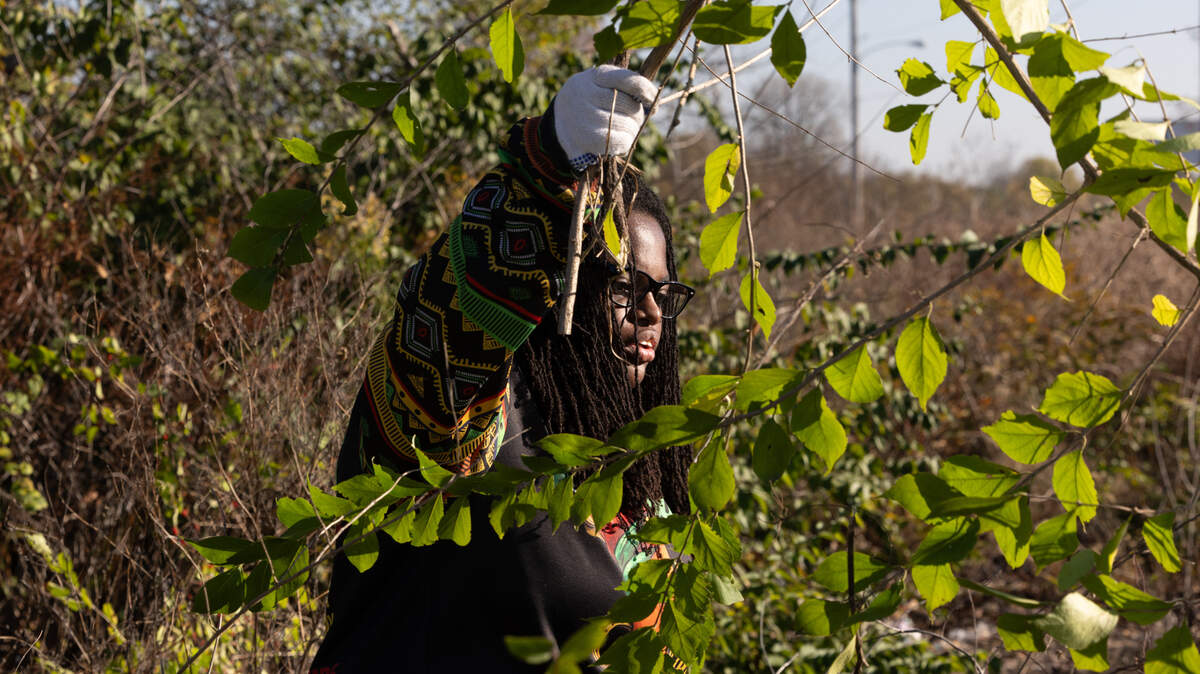
Most people think of invasive species as unattractive, weedy plants that burden the landscape of the Commonwealth of Kentucky.
While this may be true in some aspects, the effects of these species run far deeper.
Invasive species are non-native to the area they are observed in and are likely to disrupt the order of the ecosystem they inhabited.
Here are some of the prominent invasive species in Kentucky, from interviews with Kentucky Department of Fish and Wildlife Resources:
- Bush honeysuckle
- Carp: Silver, Black, Bighead, Grass
- Zebra mussels
- Callery (Bradford) Pear
- Tree of Heaven
- Emerald ash borer (bug) - removes forests in the area it’s present
- Feral hogs
To see more of Kentucky's invasive species, visit fw.ky.gov.
How invasive species impact KY land
Many of Kentucky’s native trees, wildflowers, reptiles, mammals and aquatic species depend on specific relationships with other species to survive, said small game Program coordinator at the Department of Fish and Wildlife Resources Jimmy Woods. Over time, invasive species erode those relationships.
“What an invasive plant is doing is it’s slowly removing the opportunity for other things to grow,” Woods said.
While the effects of invasive plants are not observed as quickly as invasive animals or invasive bugs, they typically reach a greater scale. According to Woods, once an invasive plant lays its roots, it is very difficult to reduce and manage its population on a state-wide scale or regional scale.
Invasive species are the first ones to take over when land is disrupted. When a years-long, sometimes decades-long routine is broken, Woods said for example, if a farmer’s plot of land to graze cattle is no longer profitable, that is when invasive species come in.
How species become invasive
Species inhabit non-native areas in a number of ways depending on the type of species. Invasive plants can spread by the transfer of seeds to an environment they do not belong.
Seeds can “hitchhike” on a person’s clothes or shoes, or subtly dust off of a truck meant to transport seed from one place to another.
Once the seeds land in a new place, they can lie dormant in soil for years waiting for the right conditions to grow, and will take over where there are no predators.
A number of invasive species in Kentucky originate from Asia due to similar climate conditions as both areas sit on the same latitude, according to Kentucky Department of Fish and Wildlife Resources Fisheries Program Aquatic Invasive Species Coordinator, Jeff Herod. Though there is a lot of growth potential, the invasive species do not fit into the natural cycles and eventually take over.
“It’s pretty daunting once an invasive plant’s established,” Woods said. “The adage ‘an ounce of prevention is worth a pound of cure,’ is definitely true in the world of invasive plants.”
Who’s responsible for managing invasive species? How the public can help
Federal and state agencies can make “meaningful improvements,” to publicly owned natural areas in Kentucky, Woods said, but most of Kentucky’s land is privately owned, leaving it up to the farmers and landowners.
He said knowing how to spot and address invasive species will generate long-term success.
The further an invasive species grows in an environment, Herod said, the less tools are available, and it becomes harder to manage.
Every day, there are small things people can do to lessen the impact of invasive species and manage the spread, he said:
- When you pull your boat out of the water, see what’s on the outside that could be brought to other environments.
- Check your shoelaces and socks for seeds after a hike.
- Do not dump leftover bait into the water.
“Variety is the spice of life,” Woods said, “and invasive plants and animals threaten to make our fields and forests bland indeed.”