
‘Kissing bugs’ are in peak season in Kentucky. Here’s what to know about them
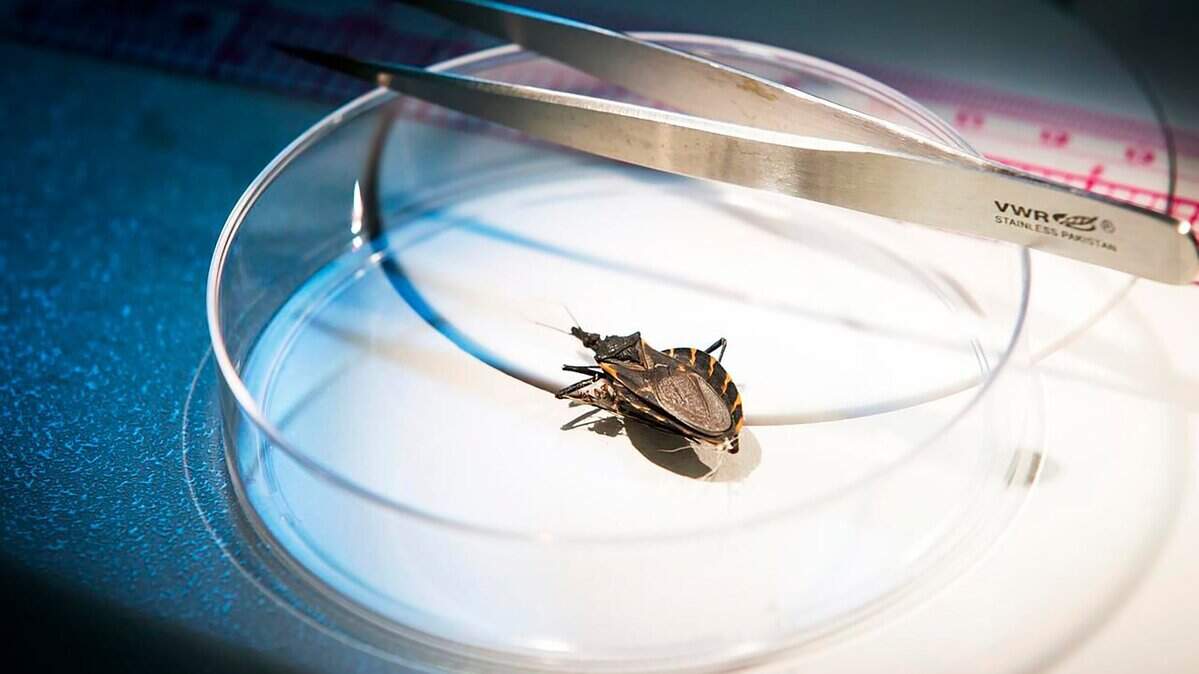
The “kissing bug,” a typically nocturnal insect found in Kentucky, can carry a parasite that causes Chagas disease — a potentially fatal illness. The bugs are most active May through October, with peak activity in Southern states from May through July.
FULL STORY: Potentially deadly ‘kissing bugs’ are in peak season. What this means for KY
Here are key takeaways:
- The eastern bloodsucking conenose, a kissing bug species, lives in Kentucky and can be found in warm, moist environments. It may feed on humans, dogs, cats and other animals.
- The bugs typically transmit the Trypanosoma cruzi parasite by biting a sleeping person’s face and defecating near the wound. The parasite can also spread through childbirth, blood transfusions, contaminated food or certain organ transplants.
- Chagas disease has two stages. The acute phase lasts about two months and may be asymptomatic, while the chronic phase can lead to cardiac arrest or gastrointestinal disease in up to 30% of patients, according to the National Institutes of Health.
- The World Health Organization estimates 8 million people worldwide are infected, leading to more than 10,000 deaths each year. The CDC declared Chagas endemic to 21 countries in the Americas, including the U.S., in September 2025.
- Treatment with antiparasitic medicines benznidazole or nifurtimox is effective if administered during the acute phase. If you find a suspected kissing bug, pest control advises against touching or squishing it to avoid exposure to the parasite.
The summary points above were compiled with the help of AI tools and edited by journalists. The full story in the link at top was reported, written and edited entirely by journalists.