Otters splashed through KY during heavy rain. They’re more common here than you might think
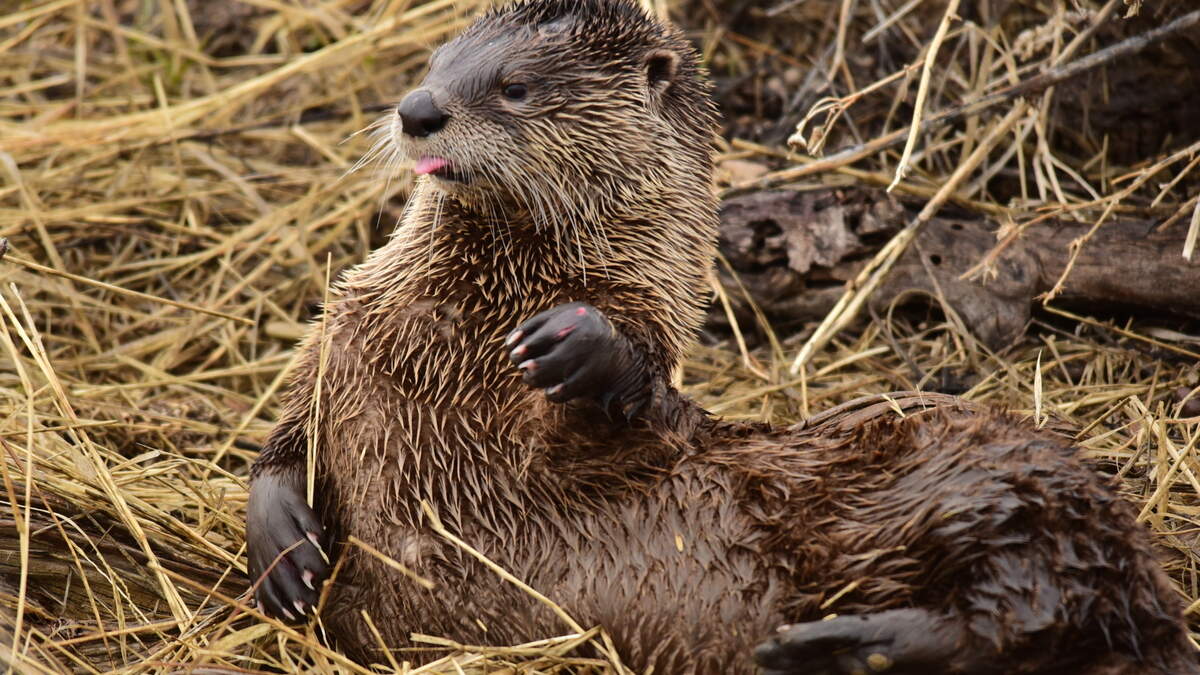
As Kentucky’s waterways swelled last weekend amid historic rainfall, a family of otters found themselves exploring new territory.
A video posted by ABC News Sunday, garnering over half a million views, showed four river otters splashing through a Nicholasville resident’s backyard as the rain poured.
The otters likely didn’t mind getting wet.
“Otters will try to find an area where the water’s calmer so they don’t have to spend the energy swimming through an extreme current,” Matthew Springer, associate extension professor of wildlife management at the University of Kentucky, said. “Mom might have been looking for a place to go hang out that would be less dangerous for her, especially her younger offspring.”
Still, the comments were filled with concern for the little family — and surprise at seeing otters in Kentucky at all.
While the backyard cameo may have seemed unusual, river otters are common in the Bluegrass State. They’ve made a remarkable return after nearly disappearing from Kentucky for much of the 20th century.
River otter recovery
Before European settlement, river otters were abundant throughout North America, including Kentucky, according to UK. However, unregulated hunting for their pelts and human-caused habitat destruction decimated their populations by the early 1900s.
A 1925 report said otters were “very scarce in Kentucky,” only recording a “small remnant population” in the Jackson Purchase region, according to wildlife researchers. Population decline continued into the 1990s.
Now their population is increasing statewide, thanks to restoration efforts by the Kentucky Department of Fish and Wildlife Resources.
“We try to promote all of Kentucky’s native wildlife,” KDFWR Wildlife Program Coordinator Laura Palmer said. “They’re an important part of the ecosystem, of course, and they’re an indicator of clean water and healthy aquatic systems.”
Between 1991 and 1994, the KDFWR released 355 otters among 14 sites in the central and eastern part of the state to restore self-sustaining populations. Palmer said this was a part of a larger project spanning 22 states and that the reintroduced otters were taken from Louisiana.
These otters could not legally be hunted or trapped, except for limited numbers within the Jackson Purchase area, for 12 years.
A statewide trapping season opened in 2006, following an “increased frequency and quantity of reports of river otter occurrence and activity throughout the state,” researchers from the University of Kentucky and KDFWR wrote.
In 2010, these researchers officially declared the reintroduction a success after confirming that river otters had reclaimed a presence in all 12 of the state’s major watersheds.
So while the Nicholasville sighting surprised viewers online, wildlife experts say the otters were likely doing exactly what river otters do when waterways overflow.
“Flooding is a natural part of river ecosystems, and you know, river otters are really well adapted to changing water levels,” Palmer said. “In these flash flooding events, they might temporarily displace the otters or alter their den sites, but otters are highly mobile. They’re capable of moving long distances to other suitable habitats until those conditions improve.”
Otters as pets?
To those wishing they could just bring the otter family inside to safety — think again. Kentucky law strictly prohibits the average citizen from taking, buying, or keeping otters as pets.
“They’re 100% adorable. Everyone sees them romping around, doing their thing, and they’re incredibly playful. They can be really interactive with you, but you do not want to get on the wrong side of that. They can also be super aggressive and can really hurt you. They’re often considered an apex predator,” Springer said.
The few institutions granted exemptions under 301 KAR 2:081 are also subject to surprisingly specific care requirements. Among them: Otters must have a pool, a dry place to sleep — and, yes, a slide.
“They’re built more for swimming than running, so they’re going to try to slide no matter what,” Springer said.
Otter management, hunting and trapping
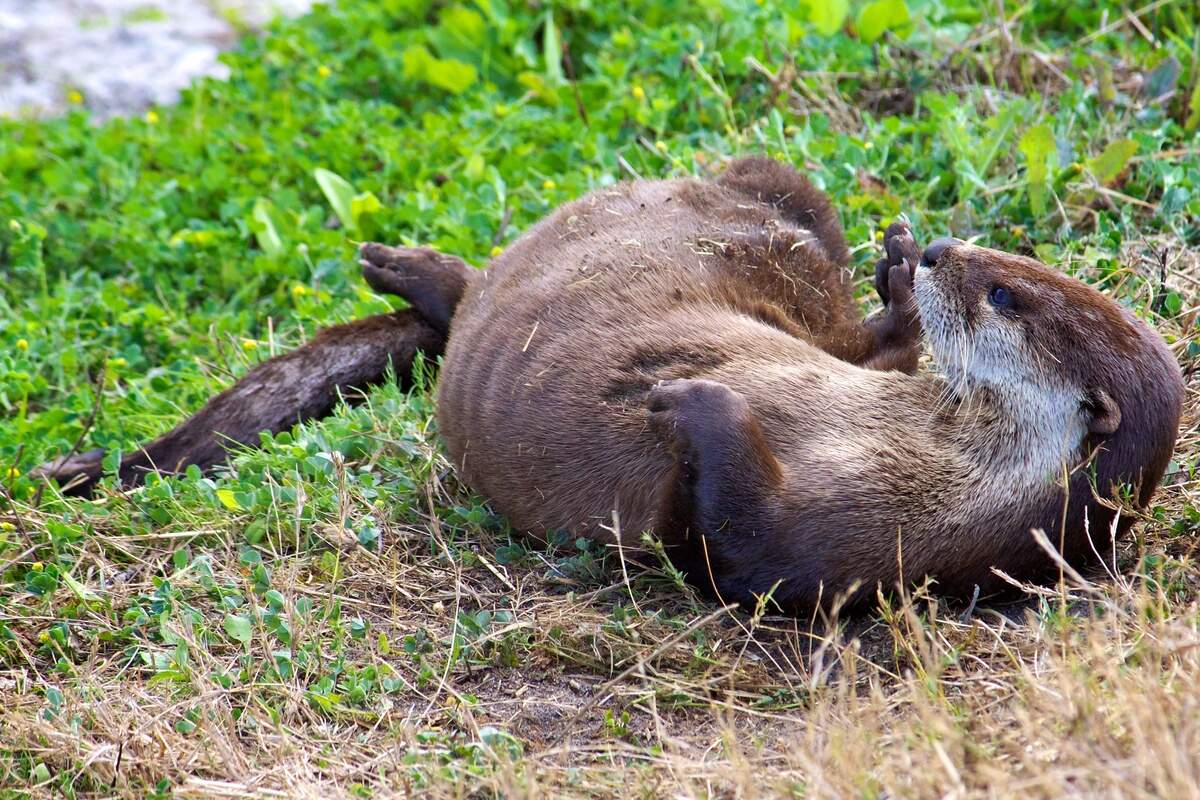
As river otters have reclaimed Kentucky’s waterways, wildlife officials have had to balance conservation with the challenges of a growing population.
The KDFWR strictly maintains the otter population by monitoring and controlling the harvest.
People are limited to hunting or trapping 10 river otters per season, and only six can be taken from the southeast region of Kentucky, where there are fewer otters.
All hunted or trapped river otters must be reported through the state’s mandatory Telecheck system. These feed into KDFWR population models and help biologists keep track of otter abundance trends over time.
Springer explained that river otters are harvested in part because of the fur trade, but also because they are considered a nuisance by many landowners.
“There’s a lot of folks that are really pro-otter, but there’s several folks that are having negative consequences of having otters around their property,” Springer said.
For example, river otters are known to use people’s boats as toilets and damage property around marinas. They’re also fish thieves, Springer said.
“You have folks that have a 3,4 or 5-acre pond on their property that they may have spent $40,000 putting fish in, and if a family of otters gets in there, they can consume a substantial number of fish in very little time,” Springer said.
Springer recommended those dealing with troublemaking otters refer to UK’s Cooperative Extension otter management guidelines.
“From our side of things, we want you to try as many non-lethal options as possible before you get to the lethal method, but, you know, many times it comes down to economics,” Springer said.
Nuisance or not, otters are here to stay. Springer said river otters have rebounded in every Kentucky county and are now a steady presence in local waterways — sometimes even in your backyard.
“When they consume fish, they actually move those nutrients back on land and act as fertilizer for a lot of the plants in the system,” Springer said. “Otter populations are thriving in the state of Kentucky. As with most species, they have their ecological benefits, but can cause their own problems, too, depending on what side you’re on.”