Newly discovered comet could be visible from Kentucky soon. Here’s when to look for it
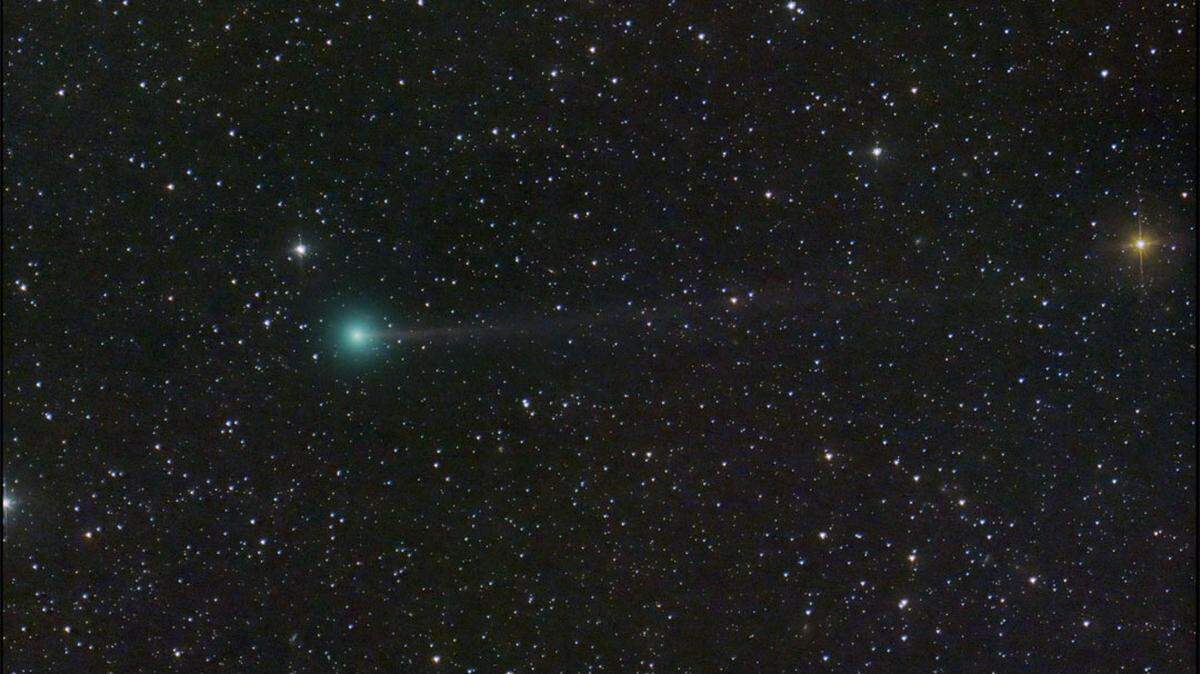
Kentucky stargazers may get the chance to see a “once-in-a-lifetime” sight in the skies this month, and there’s a chance they won’t even need a telescope.
Comet Nishimura was discovered Aug. 11 by Hideo Nishimura, an amateur astronomer from Japan, according to NASA. This is the astronomer’s third comet discovery, Space.com reports.
Comets are notoriously unpredictable in that they can sometimes be seen by the naked eye and other times viewers will need a telescope. An Aug. 21 article from NASA says while easy viewing can’t be guaranteed, “it currently seems like a good bet” the comet will become visible to the unaided eye at some point.
The comet will be closest to Earth Tuesday and closest to the sun Sunday, the Washington Post reports, and it has already been spotted from Earth.
Lexington residents may want to prepare for the possibility of rain Tuesday night. The National Weather Service reports the area has a 30% chance of showers and thunderstorms, mainly before 8 p.m. The sky should be partly cloudy, and the low will be around 55 degrees, according to NWS forecasters.
What is a comet?
Comets are “cosmic snowballs” made from frozen gasses, rock and dust orbiting the sun, NASA says. They can be the size of a small town when frozen, and heat up and spew gasses and dust when they get close to the sun.
“There are likely billions of comets orbiting our Sun in the Kuiper Belt and even more distant Oort Cloud,” NASA’s website says.
The number of known comets is 3,886, according to NASA.
When’s the best time to see the comet?
Your best shot at seeing Comet Nishimura will be between 1.5 to 2 hours before sunrise, according to Space.com. You may need binoculars or a telescope to see it.
Although Comet Nishimura will be closest to Earth Tuesday, it may be easier to see when it is closest to the sun Sunday, the Washington Post reports.
When choosing your stargazing spot, Space.com recommends looking for a remote but public area without much light pollution and gazing to the east or northeast of the sky.
The comet may not survive its trip around the sun, the Washington Post reports, but if it does it will likely next be visible in the year 2457.
The Bluegrass Amateur Astronomy Club will host a stargazing event at Raven Run Nature Sanctuary Saturday, weather-permitting. The event will begin around sunset, and there may be a $1 charge. To check in about potential weather cancellations, you can call 859-272-6105 around 6:30 p.m. Saturday.
Do you have a question about the environment in Kentucky for our service journalism team? We’d like to hear from you. Fill out our Know Your Kentucky form or email ask@herald-leader.com.