
Are you having a heat stroke? KY doctor explains warning signs, what to do
When a person’s body temperature gets so high that their typical body and brain functions become impaired, there is a chance they may be having a heat stroke.
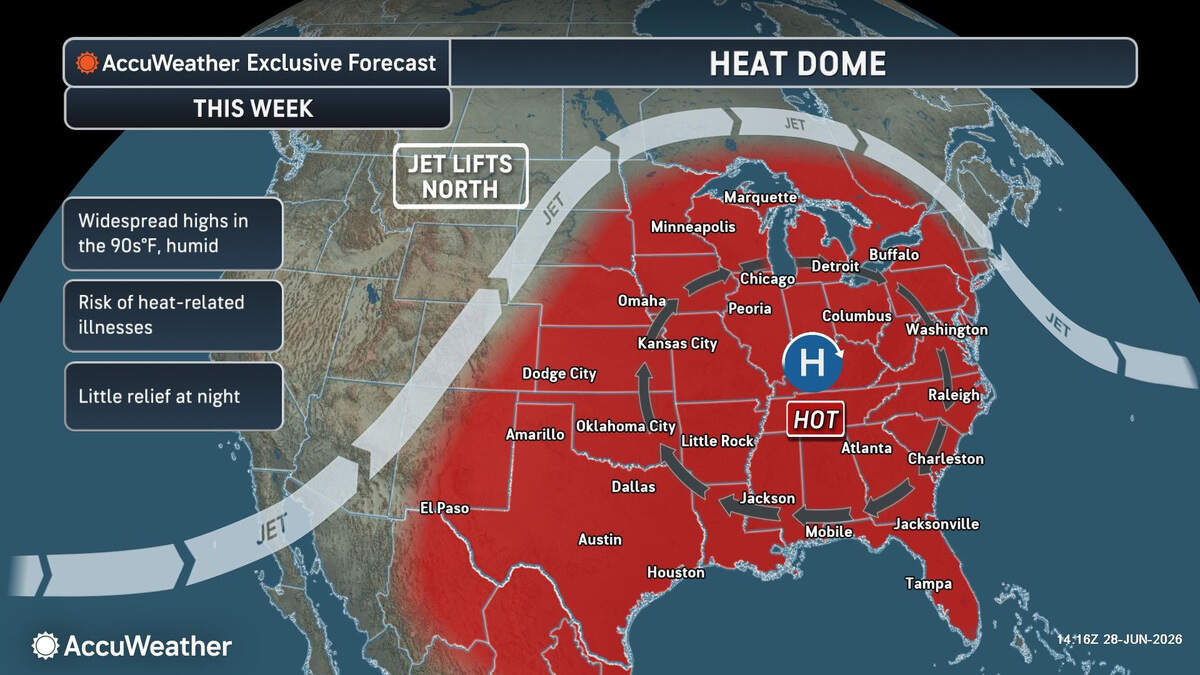
Approaching the Fourth of July weekend, Kentucky has entered a heat wave expected to bring dangerous heat and humidity, with temperatures well into the 90s. According to Herald-Leader reporting, Lexington heat index values could exceed 100 degrees later in the week.
Young children, people over the age of 65, those who work outside and people with chronic medical conditions are most at risk for heat stroke, according to Dr. Abhisek Patel with the University of Kentucky emergency medicine.
Heat stroke is a medical condition in which the body overheats to the point that the body’s temperature can no longer be regulated.
“Your body can regulate itself really well, and the organs can continue to perform without any issues,” Patel said, “but beyond a certain temperature, when our body gets to a point where it’s so exhausted and it’s so hot that it can’t regulate its own temperature, then your organs start being affected.”
Before heat stroke comes heat exhaustion, which is the body’s way of saying it is starting to overheat and that steps should be taken to cool down.
The body’s ideal temperature ranges from 97 degrees to 99. Over 100.4 is when someone technically has a fever. If steps are not taken to cool down and a person’s temperature gets to the 103.5 to 104 degree range, heat stroke becomes a worry.
Here is what to look for and how to take action.
Heat exhaustion warning signs
- Heavy sweating
- Pale skin
- Clammy
- Fatigued
- Nausea
- Vomiting
- Muscle cramps
- Lightheadedness or dizziness
- Heart palpitations
Heat stroke warning signs
- Confusion
- Extremely agitated
- Unusual behavior
- Loss of consciousness
- Seizures
If a person’s temperature gets extremely high, patients can have symptoms that mimic a stroke such as slurred speech, being unable to walk properly or being weaker on one side of their body.
What to do if you or someone around you is showing warning signs of heat exhaustion
- Move into an air-conditioned area. If one is not accessible, try to find a fan.
- Drink cold water.
- Try to cool the patient with cool, wet rags until emergency responders arrive.
When a person is exhibiting signs of heat stroke, call 911.
Heat stroke can have lasting effects if not treated quickly, Patel said. In extreme cases when a person’s body temperature is really high for an extended period of time, a patient’s strength, coordination or motor skills may never operate at full capacity again.
“I think there’s a lot of people who perhaps think, ‘There’s no way my body can overheat to the point where I could have a heat stroke,’” Patel said. “...I would say it’s definitely possible. So (you) definitely want to take all the precautions possible.”