Meteor shower to bring ‘spectacular views,’ bright fireballs to Kentucky skies
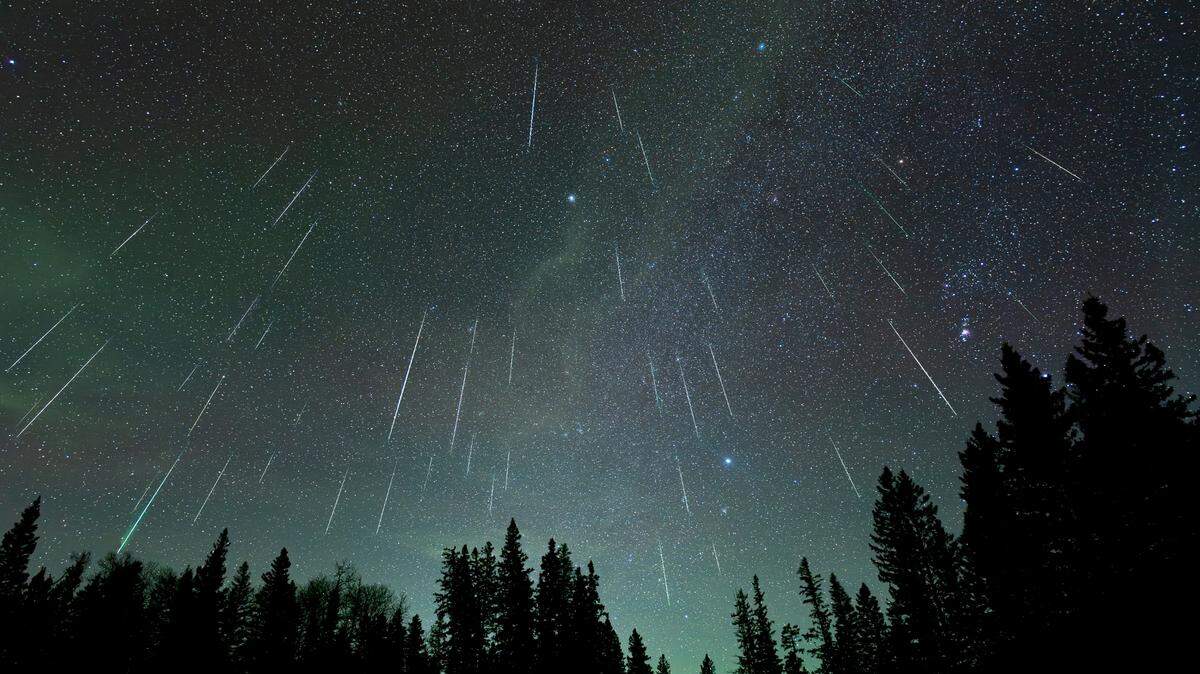
Kentucky stargazers will get a chance to see two overlapping meteor showers this month, and one is known for its particularly bright fireballs.
The Alpha Capricornid meteor shower is known to produce “spectacular views” due to the parent body causing the shower, Comet 169P/NEAT, shedding relatively large dust particles and fragments, AccuWeather meteorologist Alyssa Glenny told the Herald-Leader in an email.
“Plus, the moderate entry speed of meteors into the Earth’s atmosphere also plays a role in a deeper atmospheric penetration, creating longer lasting and often brighter fireballs,” Glenny added.
The Alpha Capricornid shower began July 3, and is expected to last until Aug. 15. The Southern Delta Aquariids are expected to begin activity Sunday and last through Aug. 23.
“These two showers together could result in sightings of up to 30 meteors per hour under perfect viewing conditions,” Glenny said.
The July 29 full moon may interfere with viewing conditions as the moon generally appears full the day before and the day after its peak, and bright moonlight can wash out the fainter meteors, but the brightest meteors should still be viewable, Glenny said.
When will the meteor shower peak over Kentucky?
The best time to see the two upcoming meteor showers is projected to be the night of Thursday, July 30 into the early morning hours of July 31, Glenny said, and this coincides with the peak of the Alpha Capricornid shower.
For the best viewing conditions, Glenny recommended looking at the night sky from 11 p.m. July 30 to dawn to catch the period of highest activity after midnight. It’s also recommended to find the darkest skies possible, allow your eyes to adjust to the darkness and avoid city lights.
Try looking 30 to 60 degrees away from the radiant (which is in Capricornus, low in the southern sky), as the meteors viewed away from the radiant tend to have longer trails, Glenny said.
Spotting a meteor doesn’t require special equipment, according to NASA.
More stargazing events to see from Kentucky
There are six more full moons to catch a glimpse of in 2026. Here’s when to see them, from Astronomy.com:
- Wednesday, July 29: Buck moon
- Friday, Aug. 28: Sturgeon moon and partial lunar eclipse
- Saturday, Sept. 26: Corn moon
- Monday, Oct. 26: Hunter’s moon
- Tuesday, Nov. 24: Beaver moon (supermoon)
- Wednesday, Dec. 23: Cold moon (supermoon)
Kentucky stargazers can also enjoy viewing several more meteor showers this year, including the popular Perseids in August, the Orionids in October, the Leonids in November and more.
For those interested in gathering with other astronomy fans, the Bluegrass Amateur Astronomy Club will host a stargazing event at Raven Run Saturday, July 11 and another at Shaker Village Saturday, July 18.
Do you have a question about the weather or the environment in Kentucky for the Herald-Leader? We’d like to hear from you. Email ask@herald-leader.com or fill out our Know Your Kentucky form below.