
Herald-Leader endorsement: Two amendments on the ballot. One simple approach to voting
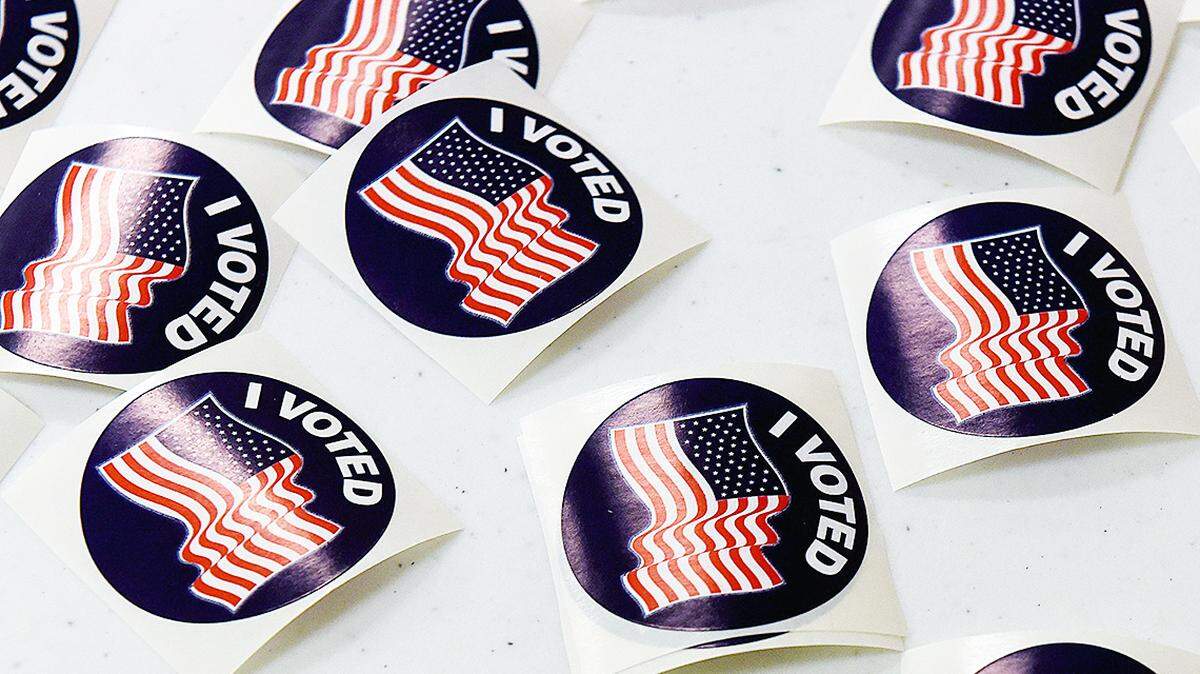
On Nov. 5, Kentucky voters will see two issues on their ballot that, if successful, would rewrite the state Constitution.
They are connected not in subject, but by gamesmanship: The first, Amendment 1, is meaningless, aimed at getting more people to vote for yes on Amendment 2, which is very serious and could do untold damage to Kentucky.
We urge a NO vote on both amendments.
Amendment 1 would change the Constitution to make illegal something that’s already illegal. It would define language that requires all Kentucky voters to be citizens, something that is already a requirement in every precinct in the state.
But it also gins up right wing propaganda that undocumented immigrants are voting in droves, although there is no evidence this is happening in Kentucky.
In getting these two initiatives on the ballot as legislative measures earlier this year, the GOP supermajority schemed to put them in this order. The strategy is that in voting yes on a no-brainer issue like requiring voters to be citizens, more people would vote yes on Amendment 2. It doesn’t hurt that Amendment 2 is easily confused with Second Amendment in a gun-loving state like Kentucky.
Amendment 2 would undo language written in 1891 that explicitly bans public school funding from being spent on anything other than public schools. It’s so explicit that the Kentucky Supreme Court in December 2022 voted unanimously that previous legislation on school choice was unconstitutional.
So advocates decided the Constitution needed to be changed instead.
The reasons to vote no on Amendment 2 are numerous.
▪ School choice is an idea born out of Brown v. Board of Education, an idea of how white parents could escape the public schools that were now required to accept Black students. They have morphed into a darling of right-wing, free-market, billionaire funded groups that believe government run schools should morph into private or religious schools.
▪ The language of the amendment is deliberately vague. It allows only for public school funding to be diverted to private schools. But we have no idea what that might look like, anything from charter schools to tax credits to universal vouchers. The latter has picked up popularity in many other states; they give a set amount of money to all but the very richest families.
That’s why, on average, 70% of vouchers are used by families whose children are already in private school. But in states like Ohio, Indiana and Arizona, the vouchers are becoming a financial burden that is digging into public school budgets. In Ohio, for example, the state now gives away $2 billion a year in vouchers. At the same time, the percentage of the state budget going to public schools has been cut from about 40% in 1975 to 20% in 2024.
▪ It will hurt more Kentuckians than it helps. The majority of Kentucky’s students live in counties without private schools, which are mostly clustered in the urban areas of Lexington, Louisville and Northern Kentucky. For those areas, a potential voucher system would hurt already-strained finances with low property assessments to fund schools and the many people they employ.
In addition, private schools don’t have to take all students. Special needs students would be left in public schools without the resources they need to get appropriate education.
Under a school choice system, private schools would get new tax dollars. In other states, that has led to higher tuition, so that the most needy still can’t afford it. And even with all those new tax dollars, private schools are not held accountable for student achievement the way public schools are.
▪ School choice has not shown markedly better results for students. Around 2017, a series of studies on voucher programs in Washington, D.C., Indiana, Ohio and Louisiana repeatedly showed that vouchers were not helping student academics, and were in fact doing the opposite.
It’s clear that Amendment 2 advocates are worried about its success because they have sent out a series of mailers that tell lies about its results, saying it would raise teacher pay and overall student funding.
What they are correct about is that we should do a better job of holding public schools accountable for any lackluster student achievement. That achievement is, of course, tied to Kentucky’s high poverty rates that lawmakers seem less interested in solving, and would be helped if the state had properly funded schools since the landmark Kentucky Education Reform Act of 1990.
Public schools are a cornerstone of American democracy. We should not let oligarchs tell us otherwise. We should use our tax dollars to make them better to create more specialized programs with better pay for teachers so the best and brightest are attracted to the field.
Siphoning off that money in the hopes that the “competition” will make them better is a free market fantasy.
Don’t fall for it, Kentucky. We endorse a NO vote on Amendments 1 and 2.
This story was originally published October 24, 2024 at 11:28 AM.