‘Welcome to Appalach-America.’ Region’s persistent problems now define U.S., book shows
The outside world has long seen Appalachia as a beautiful but benighted region of economic inequality, environmental plunder, addiction and illness.
But when a group of reporters started a new collaborative working in Eastern Kentucky, Ohio and West Virginia back in 2016, another question emerged. What if Appalachia’s woes had actually become America’s as well?
“The kind of challenges and conditions that Appalachians have been dealing with are now become the rest of the country’s,” said Jeff Young, managing editor of Ohio Valley Resource, a group of seven public media outlets headquartered under Louisville Public Media. “We see this kind of persistent and increasing pressure on working people that they just can’t keep up with, and at the same time, the institutions that made up the fabric of their communities are being torn apart by neglect of infrastructure or the demise of organized labor.”
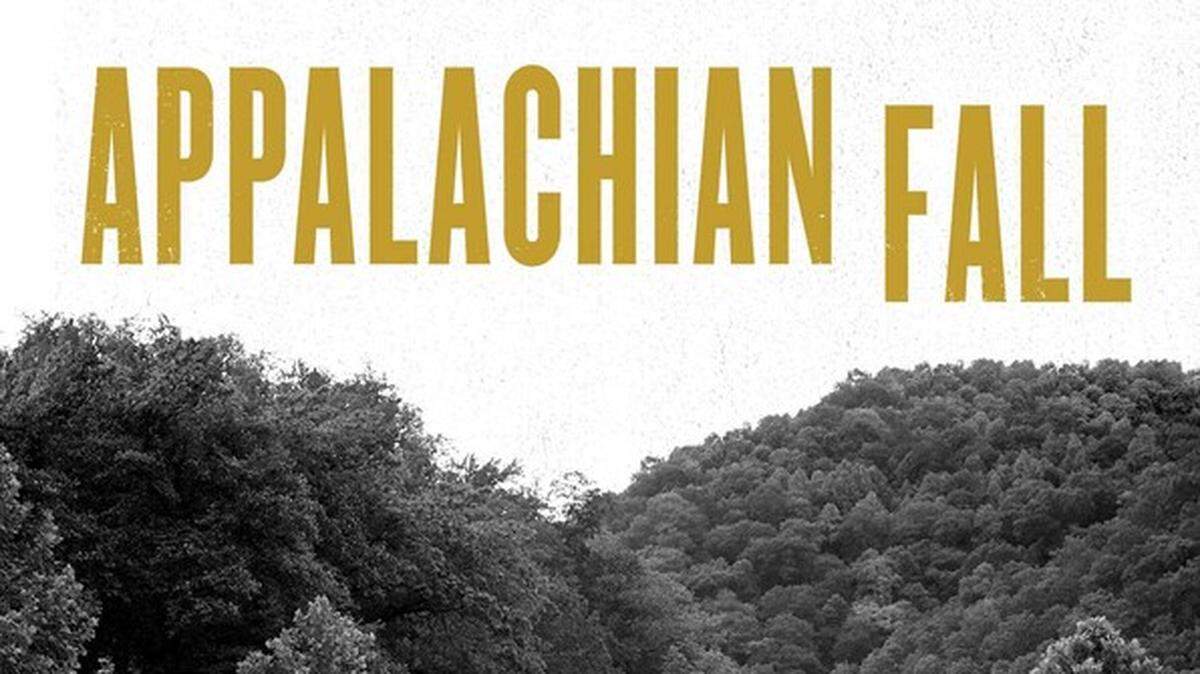
This idea of Appalachia as a forerunner of American society, rather than an anomaly, is the vocal point of that team’s new book, “Appalachian Fall: Dispatches From Coal Country on What’s Ailing America (Simon and Schuster).” Young and his team compiled news stories, profiles and interviews with social scientists and economic development experts. For regular news consumers here in Kentucky, many of the stories will be familiar— the re-occurrence of black lung among coal miners, the Blackjewel blockade, the Martin County water crisis. But also intertwined are the profiles of Appalachia’s doers and thinkers who understand that solving the region’s problems could now go a long way to solving America’s woes as well.
“Many scholars link the appeal of authoritarianism and extremism to the disaffection of the working class, the decline of rural communities and the attendant addiction epidemic, and the growing geographic disparities in both wealth and health,” the book says. “All of these hit hardest and earliest in Appalachia, and all are now full-blown front-and-center crises for the nation as a whole.”
These are no longer just Appalachian problems; they are American problems. Welcome to “Appalach-America.”
Most of the Ohio Valley ReSource team — Young, Benny Becker, Glynis Board, Sydney Boles, Alexandra Kanik, Mary Meehan, Liam Niemeyer, Aaron Payne, Brittany Patterson and Becca Schimmel — worked on radio broadcasts and web stories, but neither medium invites the kind of big picture themes that the team was finding across the region.
“The book idea came to mind when we were kicking around our options,” Young said. “How do we get across these bigger trends, and of equal importance, how do we get across to the rest of the country why you should care about this region? The more we covered, the more we realized that this is no backwater, this is a bellwether.”
The project coincided with Donald Trump’s election and first term, including his overwhelming victory and popularity in the Appalachian region due to his promise to bring the coal industry back. That hasn’t happened, of course, a downward trend only exacerbated by COVID-19, but Trump remains popular, which then prompts the usual national hand-wringing over populations that vote against their own economic interests.
“It’s a lot more complicated than liberal elite users of social media would like you to believe,” Young said. For one thing, voter turnout in the region is very low because of significant barriers to voting in states like Kentucky, which pre-COVID-19 allowed just 12 hours of in-person voting.
Young turned to John Gaventa, a political sociologist and the author of “Power and Powerlessness,” about what happens when communities suffer sustained marginalization. “I think a lot of people in the region feel like democracy is not working for them, so why should they work for the process,” Young said.
And why should they when political leadership has often been so lacking?
“If you are the mayor of a town with the highest national rate of overdose deaths and you are against a needle exchange program, that’s poor political leadership,” Young said. “If you are still saying coal jobs are coming back, then you’re out of touch with reality, and you’re a poor political leader. In my opinion, until those things change we won’t see things change in Appalachia.”
Better political leadership at all levels would then lead to investment in the kinds of creative attempts people are making in their own communities, whether it’s through local needle exchange programs or training programs for former coal miners. The book quotes Peter Hille, director of the Mountain Association (formerly MACED), about “elegant solutions,” ideas that can achieve multiple goals at once, such as energy efficiency programs that promote local businesses, provide jobs and reduce carbon emissions.
And that’s what’s needed across the United States, which is why Appalachia could be the place to show other communities the way.
“America’s great, intertwined challenges of reducing income inequality and achieving a clean-energy transition are on starkest display in these Appalachian communities, and solving them here could benefit us all,” Young writes, giving Hille the last word.
“We need an economy that is not extractive but regenerative,” Hille told him. “We need to make these communities once again places where people want to live.”