Beyond the numbers: Kentuckians we lost to COVID-19 and the holes they leave behind.
For the past nine months, we’ve been inundated with numbers.
When it comes to COVID-19, the numbers flow in a mind-numbing stream: Cases. Infections. Surges. Hospitalizations. And deaths.
So far, COVID-19 has taken more than 300,000 Americans, a swifter ravaging than we’ve ever known. In its wake, hundreds of thousands more grieve in isolation, bereft of the comforting rituals of death.
Here in Kentucky, we hear daily about those we’ve lost, but too often, it’s the number that we remember, 15 or 30 or 54. Today we’d like to introduce you to a handful of our neighbors who lost the fight against the pandemic, the lives they led, the holes they leave behind.
LaTasha Benton ‘would see a treasure out of something that was broken.’
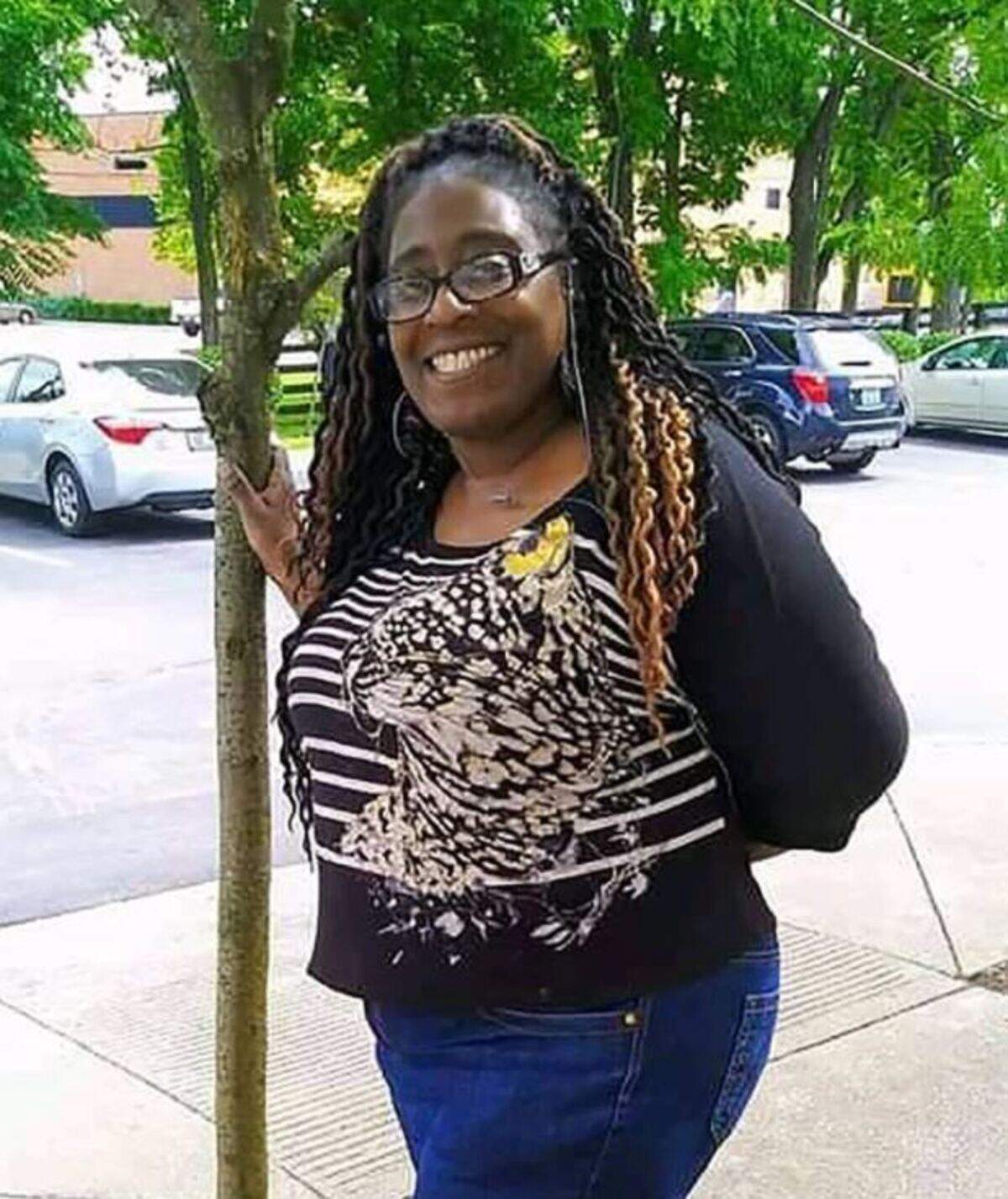
LaTasha Benton knew pain and sickness. You might say she was born to it, coming into the world 43 years ago, weighing just four pounds 2 ounces
“She always had a smile but she was always in pain,” said her mother, Stephanie Pace. Among her ailments, Benton had two kidney transplants, two hip replacements, a stroke, arthritis. She fought them all.
Then, when she wasn’t in dialysis treatment or in the hospital or in too much pain, she fought for other people in Lexington’s East End, for affordable housing and better transportation and for the Black Lives Matter movement.
“As sick as she was, I didn’t even know all the things she was involved in,” her mother said.
For the last year of her life, Benton worked for Brewster McLeod at McLeod’s Coffee Shop on Southland Drive.
“I knew she had a lot of physical problems, but you never knew it because she was so positive and creative,” McLeod said. “She was easy to joke with, she was a favorite of our customers because she was so down to earth and so friendly with anybody and everybody.”
Benton made her own jewelry that she sold in the cafe, which also features some used and new furniture and home accessories for sale. She was “a fashion queen,” McLeod said, who also had the mind of an HGTV star. “She would see a treasure out of something that was broken,” McLeod said.
McLeod’s Cafe followed all the COVID protocols, and employees were extremely careful. But Benton still contracted the virus, and shortly afterward, was admitted to the hospital. On Nov. 6, she died.
Her mother and McLeod are hoping to hold a celebration of her life in the spring, possibly setting up some kind of memorial to her hard-fought and generous life.
“I just can’t let her pass away and nothing be her reward,” Pace said. “She worked too hard not to have something in place for her.”
Edgar Castro ‘was very proud of the American dream’
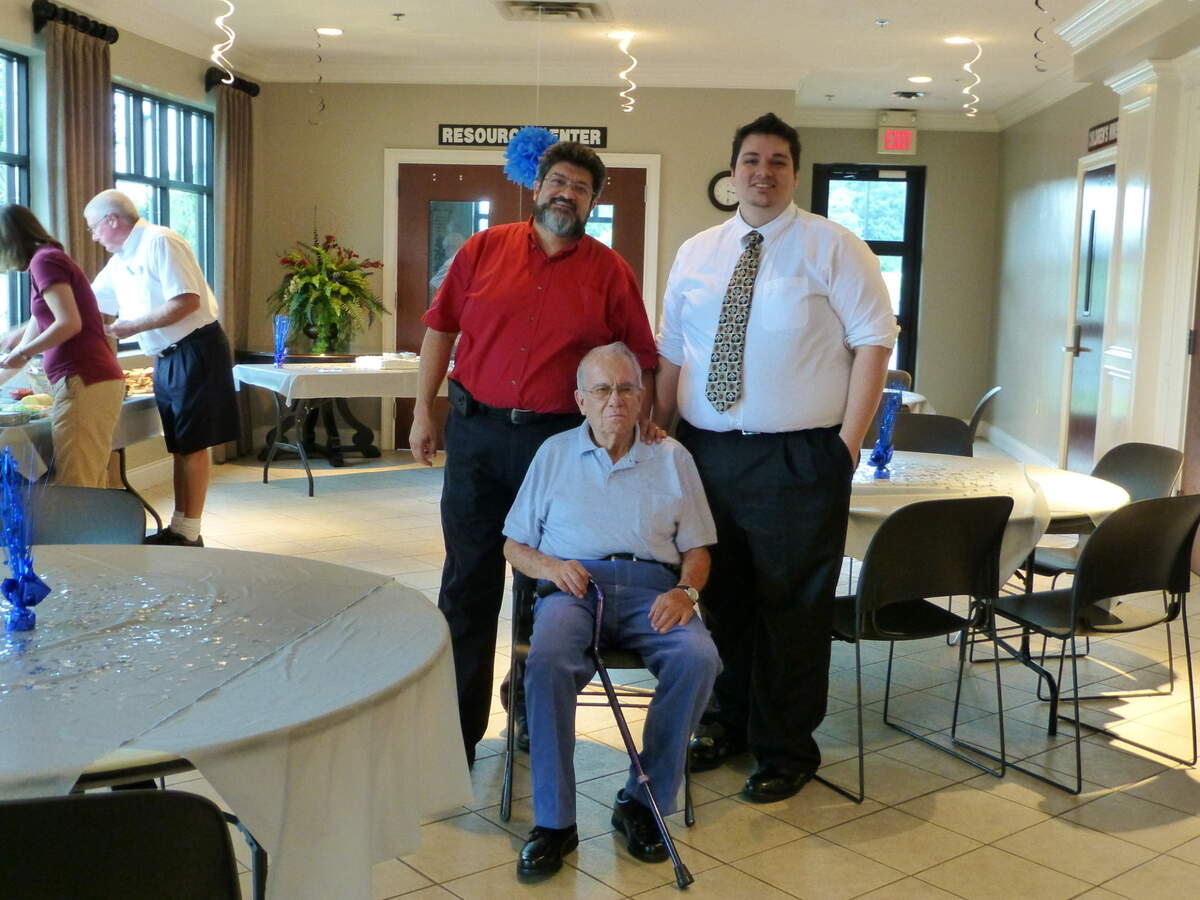
Edgar Castro didn’t like the United States.
As a young civil engineer in Quito, Ecuador in the 1970s, he worked on construction of the new U.S. Embassy, but unlike many others, never thought he wanted to live in the United States.
“He had heard bad things about it, and thought he wouldn’t like it,” his son, Juan explained.
But then one of his classmates from college, Jaime Roldos, became president, and sent Castro to Houston, Texas, to become the Ecuadoran Consul there. He moved his family, his wife and five children to Houston. They grew up there, although Edgar and his wife, Flor, eventually returned to Ecuador.
Juan and his twin brother married Americans, and his brother petitioned for his parents to return to Houston. But Juan’s wife, Marguerite Mueller-Castro was from Kentucky, so they moved first to Louisville, then to Lexington, where she practiced medicine and he became a healthcare accountant.
Edgar and Flor came to visit them in 1994, and basically never left.
“It was purely the seasons,” Juan Castro said. “In Houston you have two seasons, hot and hotter. But Ecuador is eternal spring because it’s so high in the mountains. He always loved the spring, and his first winter was mild, and he said I’m never leaving.”
Getting a job was easy for Edgar, too; he walked into Lexmark, which was still making toner cartridges, and walked out with a job in quality control. He worked there until his retirement in 2004.
Although Flor eventually moved back to Houston to live with their daughter, Edgar, as promised, stayed in Kentucky. He moved in Juan’s basement apartment, and spent his retirement making model ships, based on the tall ships of the Ecuadoran Navy.
Last summer, when Juan contracted COVID-19, Edgar stayed in his apartment because his pulmonary fibrosis would have made the disease so deadly. In September, he got an infection, went to the hospital and then the Homestead Nursing Home, where he contracted COVID-19. He survived the disease long enough to test negative, but it was too much for his weakened lungs. He died on Nov. 4 at the age of 86.
Edgar came to love his adopted country, inspired by the tapestry of people who came to its shores as he did.
“From his perspective, we have to be cognizant that this nation is a nation of immigrants, whether our leaders like it or not,” Juan said. “When we were formed, we opened our borders, we became a stronger nation and that’s where we fit in.”
Edgar was a strong proponent of education and greatly supported the DACA program because of its educational emphasis.
“My dad was very proud of the American dream,” Juan said, “and he lived it.”
Bruce Holle ‘cared about students.’
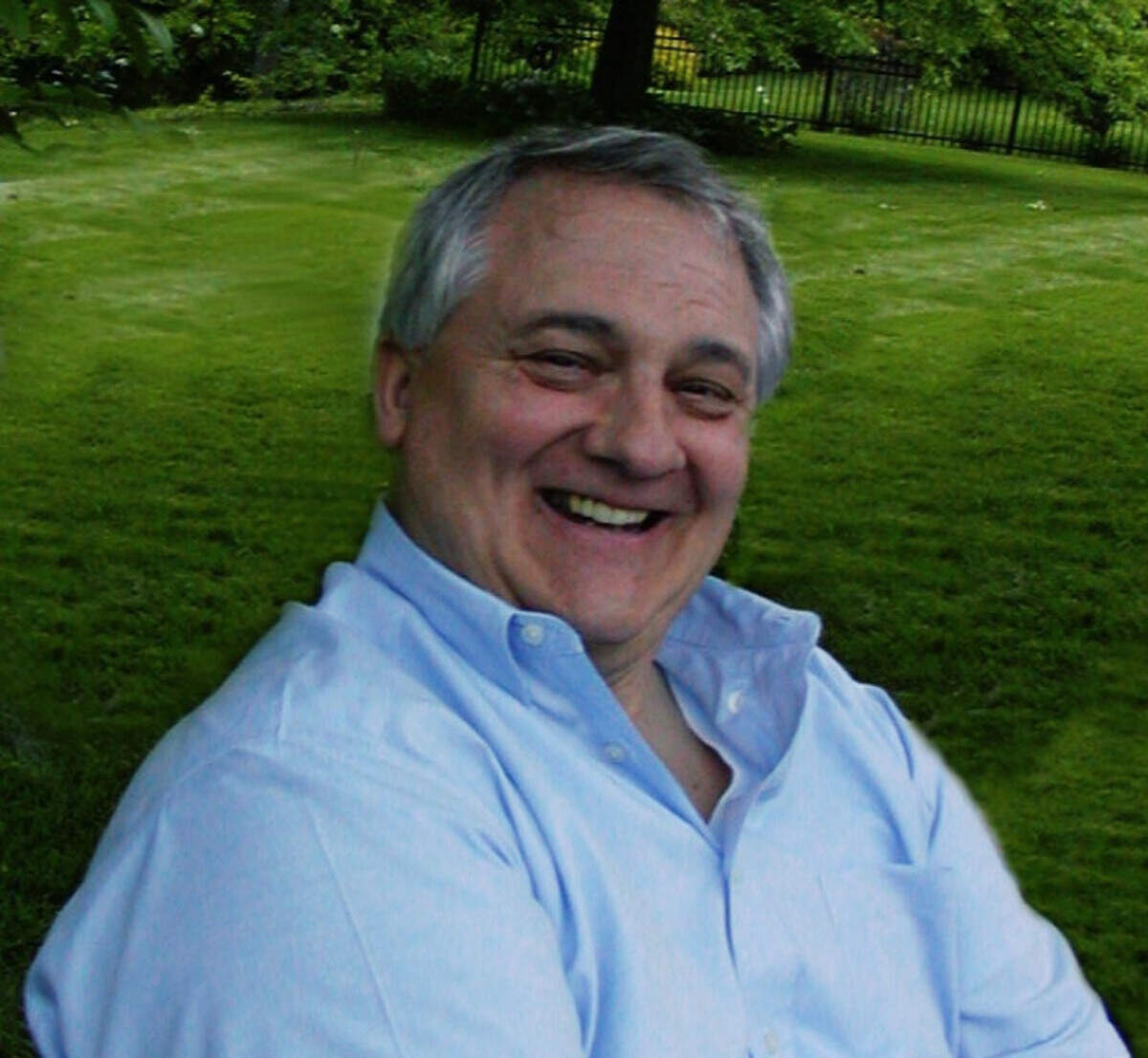
Bruce Holle grew up in Chicago and went to the University of Michigan, the first member of his family to go to college. He was fascinated by the ancient civilizations of Greece and Rome and the intersection of early Christianity within them.
As a young professor, he moved to the University of Kentucky, where he began a 40-plus year career in the history department, and quickly became one of the most popular professors there, known for his erudition on both ancient life and Kentucky bourbon.
“There was something about his personality, he was so present,” said Phil Harling, the current history department chair. “He made time for people generally and especially for students. My office was a couple of doors away, and there were students in there all the time.”
Holle had a particular niche with UK’s sizeable first generation population, and became an integral part of UK’s formal First Generation Scholars program.
One of his former students, Luke Schlake, summed it up this way in aheart-rending appreciation he wrote for the Kentucky Kernel:
“Dr. Holle cared about students in a way that most teachers don’t. He cared about students enough to accept nothing but the best from them. He cared about them enough to show them how much they were capable of doing. He didn’t baby or coddle us. He didn’t accept excuses or occasional laziness. He pushed us to excellence, and we needed it.”
About mid-career, Holle left the university to pursue his side gig of real estate full-time for 16 years. Eventually, though, the lure of teaching brought him back to UK, where he worked as a special title series professor, one working solely on teaching, rather than having to do research as well.
“It was a winning scenario for everyone concerned,” Harling said. “It was really lovely to have him back.”
Last spring, Holle had turned 74 and decided to retire. He finished up his classes, which were by then remote, in May, and left the university for good. He died Dec. 1 of COVID-19.
“Dr. Holle leaves behind scores of students indelibly impacted by his teaching and mentoring,” Schlake wrote. “I think that in many ways, he thought of himself as a relic of a bygone era—a time where it was okay to challenge students, to speak hard truth to them, and to demand excellence of them. The world needed Dr. Holle for that very reason.”
Michael Keene ‘was always excited to go home.’
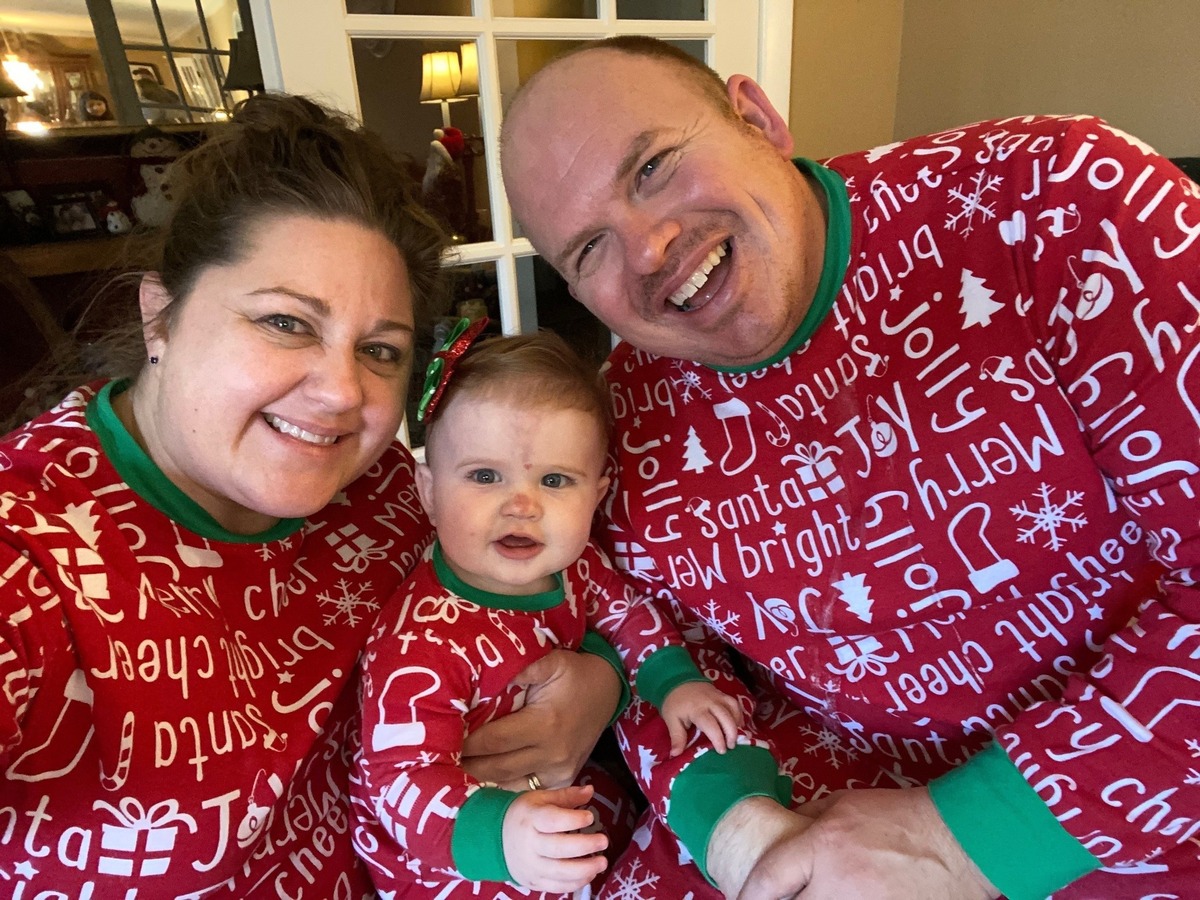
In October, Michael Keene seemed to be recovering from COVID-19.
He’d been hospitalized at the University of Kentucky, but doctors had removed the ventilator, and his wife, Nicole had been planning for his rehabilitation. She was also at UK, having given birth to their son, Michael, two days before. The baby was born two months early, and had been unresponsive but resuscitated by doctors. Their 19-month-old daughter, Adalynn, waited at home with relatives.
But Keene, just 39, suffered from PTSD he’d gotten from Army tours in Iraq and Afghanistan, said his friend, Nick Sortor. Alone in the hospital room, having trouble breathing, his anxiety skyrocketed, and he went into cardiac arrest. He died on Oct. 28.
They’d moved here from Texas for Keene to take a job at Audi of Lexington. Sortor, who’s a real estate agent, sold them a house, and he and Keene became friends.
“We had a common bond over cars,” Sortor said. But even when they went out to a bar, Keene couldn’t wait to get home. “He was always so excited to go home and spend time with them,” Sortor said. “That’s where he wanted to be all the time.”
Sortor set up a GoFundMe account for the family. The financial and emotional support given through that account is the only thing that is helping Nicole get through right now, Sortor said. Baby Michael has suffered some brain damage and they are waiting to see how severe his developmental disabilities will be.
“The only thing keeping her going right now is the outpouring of support,” Sortor said. “The money takes a huge weight off her shoulders, but for her, it’s really about the people’s support.”
This story was originally published December 30, 2020 at 12:11 PM.