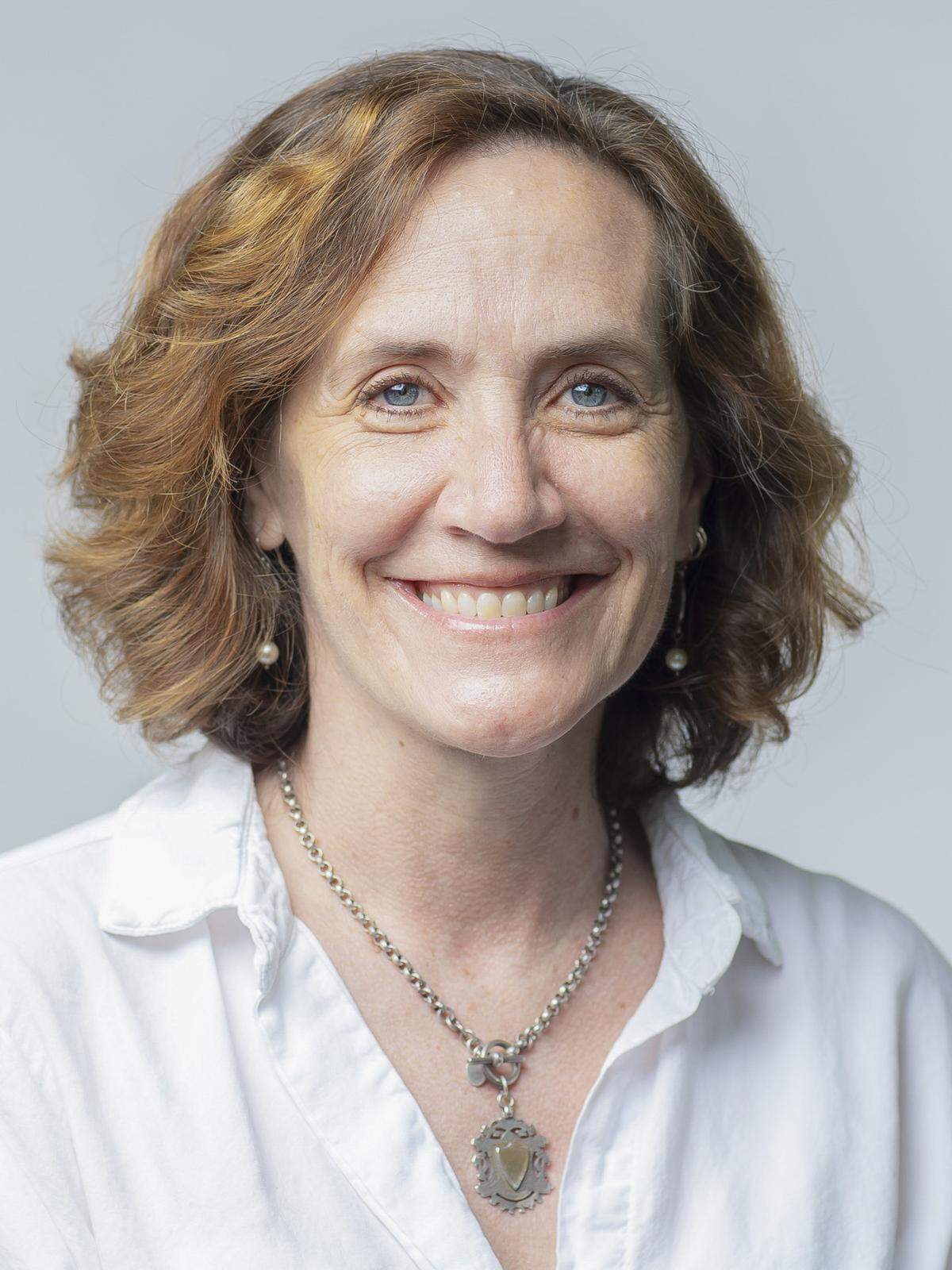
‘I became a writer in Kentucky.’ Meet the latest inductees to the Writers Hall of Fame.
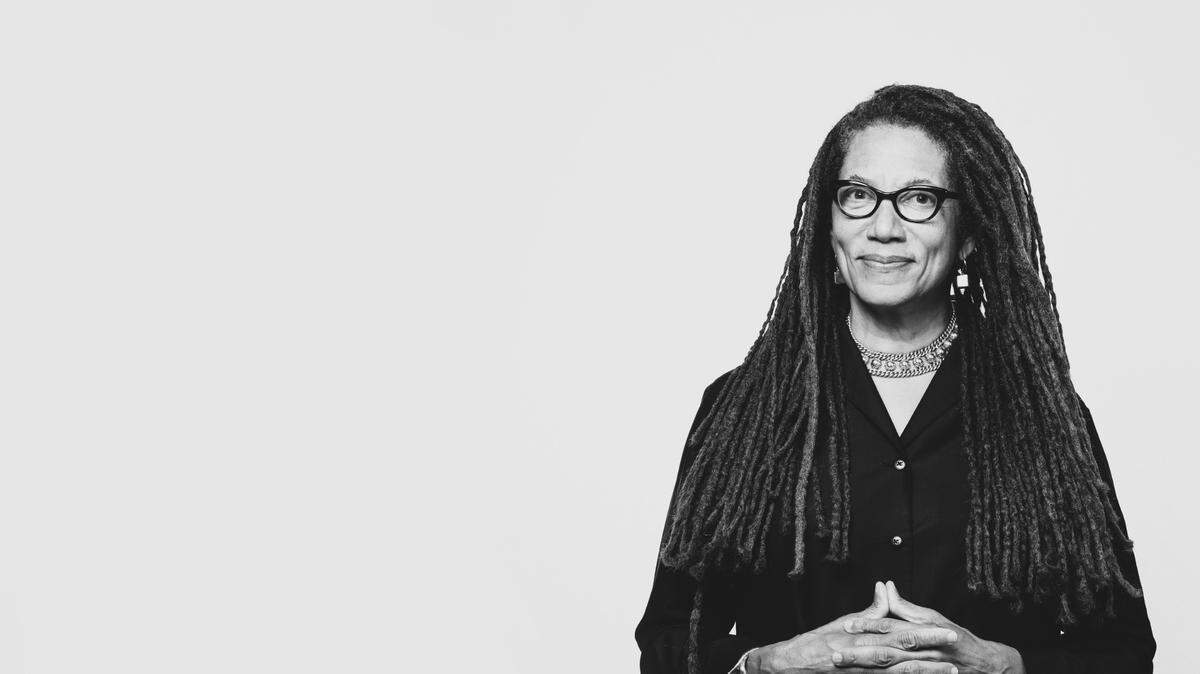
Nikky Finney is very clear that she is a South Carolina native, born, raised and now returned.
But it’s also true that Kentucky is the place where she became a poet.
“I was always clear, I’m not from Kentucky, but the longer I stayed, and it ended up being 23 years, it was home for me,” Finney said in a phone call from Columbia, S.C. where she is the John H. Bennett Jr. Chair in Southern Letters and Literature at the University of South Carolina. ”It did surround me with the things I needed to become the writer I became in those years and the writer I still am. It gave me the space I needed to write.”
She wrote her first poetry collection, “Rice,” in a carrel at the Carnegie Center for Literacy and Learning, and was a full professor at the University of Kentucky in 2011 when she won the National Book Award for her book, “Head Off & Split.” (Her acceptance speech, a spoken-word poem, is still famous.)
Kentucky still claims her. And yet Finney said she was surprised by the news that she was being inducted into the Kentucky Writers’ Hall of Fame, one of the rare living writers to earn the honor, which is administered by the Carnegie Center.
“I was completely surprised by the news,” she said. “Even if Kentucky remains critical and precious to me, I wasn’t expecting people who are still there to think of me in this way.”
COVID-19 means the Carnegie Center will not hold its usual ceremony at the Kentucky Theatre, but will instead have a virtual ceremony at 7 p.m. on Wednesday, Jan. 27 with Finney and with other writers who will read from the works of the five other inductees.
Finney said she found in Kentucky a community of people who loved the same things she did, books and nature. She spent hours at book readings and even more hours walking at Raven Run or outside Berea or by the Kentucky River.
“I thought, this little town, what does it think it is, walking through the woods with books?” she said.
She never forgot hearing from Wyn Morris at Mooris Book Shop when “Head Off & Split,” had sold 1,000 copies in one month, an extraordinary number for a poetry collection.
“I didn’t know 1,000 people in Lexington, but people heard about the award and they heard I was local and they bought it,” she said. “People who didn’t even read poetry would say ‘what a beautiful book.’ The curiosity of the citizenry to pick up a book by a Black girl from South Carolina —that was a really special feeling.”
Finney has a new book out: “Love Child’s Hotbed of Occasional Poetry,” a collection of poems, artifacts, notes and photographs of her life and work. She calls it a “minglement,” that has “everything to do with who I became and what I became.”
There are “occasional,” poems, that is to say, written for an occasion, such as “Auction Block of Negro Weather,” the poem she wrote for the “I Was Here,” collaboration with artists Marjoria Guyon and Patrick J. Mitchell to commemorate the former slave auction site in downtown Lexington.
There are sketches and memories and photographs and photocopies of letters written to Finney by her beloved father, Ernest J. Finney, who had lost his voice to Alzheimer’s disease shortly before Finney started piecing the book together.
“His name for me was Love Child,and he said I’m calling you this because I want you to know where you come from,” she recalled. “This was very private, I had never talked about it before, but I thought, what if I could somehow bring that voice into this book? Then I started thinking about the poem I’d written for the project in Lexington and how it would be a fantastic opening piece ... I wanted to show the people who had given their voices to me to become a poet.”
“These are the things that kept turning me toward my work, and I wanted the reader to experience it.”
Finney still doesn’t know exactly what she’ll say at the Hall of Fame ceremony but she knows it will center on gratitude.
“I often say, I became a woman in California and became a writer in Kentucky,” she said. “There are places that give you different gifts and I will never forget the writerly recognition that I was able to move through the land with for those 23 years.”
The other inductees to the Hall of Fame are:
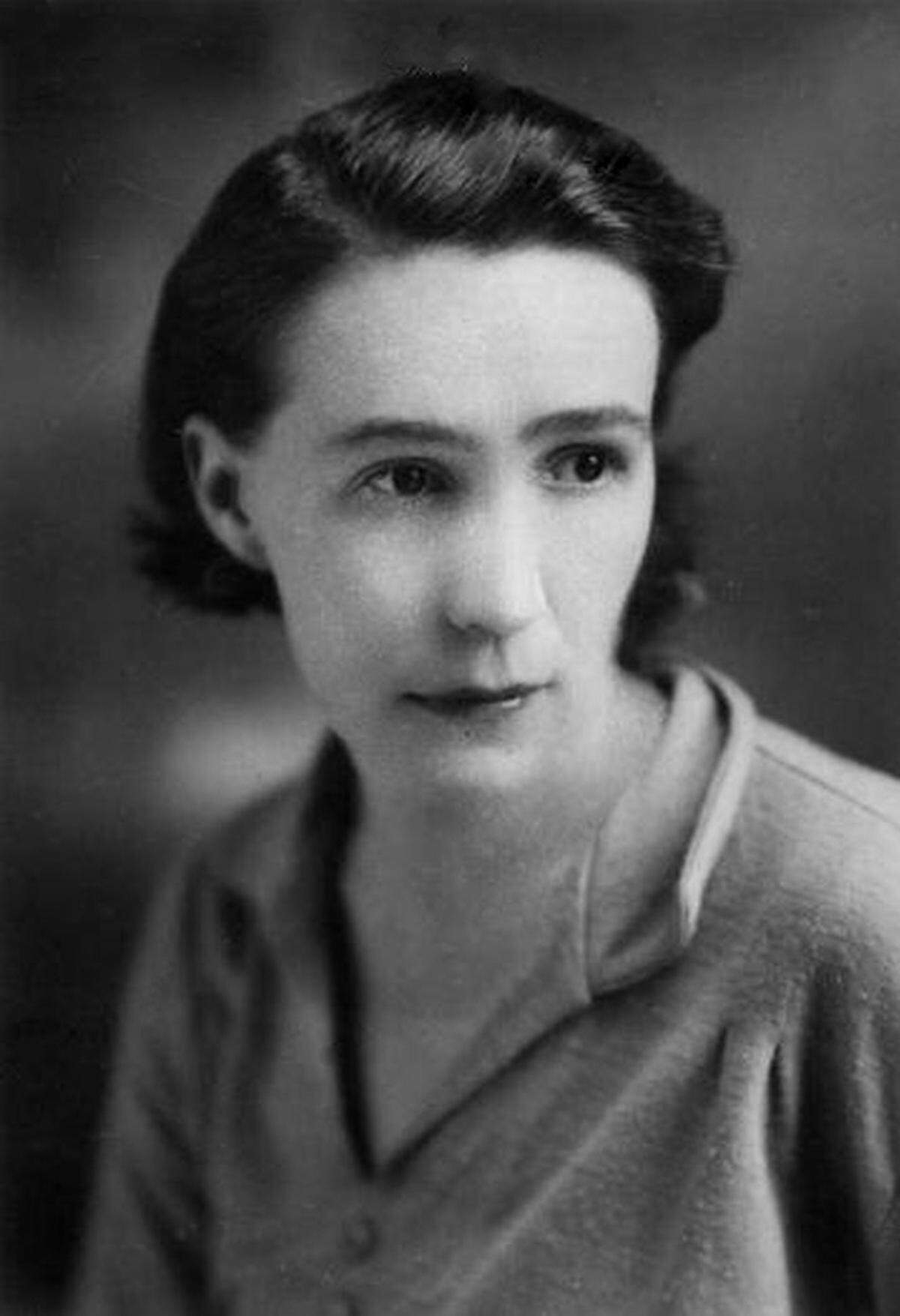
Caroline Gordon (1895-1981) was a novelist, short story writer from Todd County, who explored the history and evolution of Southern families, becoming part of the Southern Renaissance literary movement, along with her husband, Allen Tate. Gordon became a mentor to several writers, most notably Walker Percy and Flannery O’Connor.
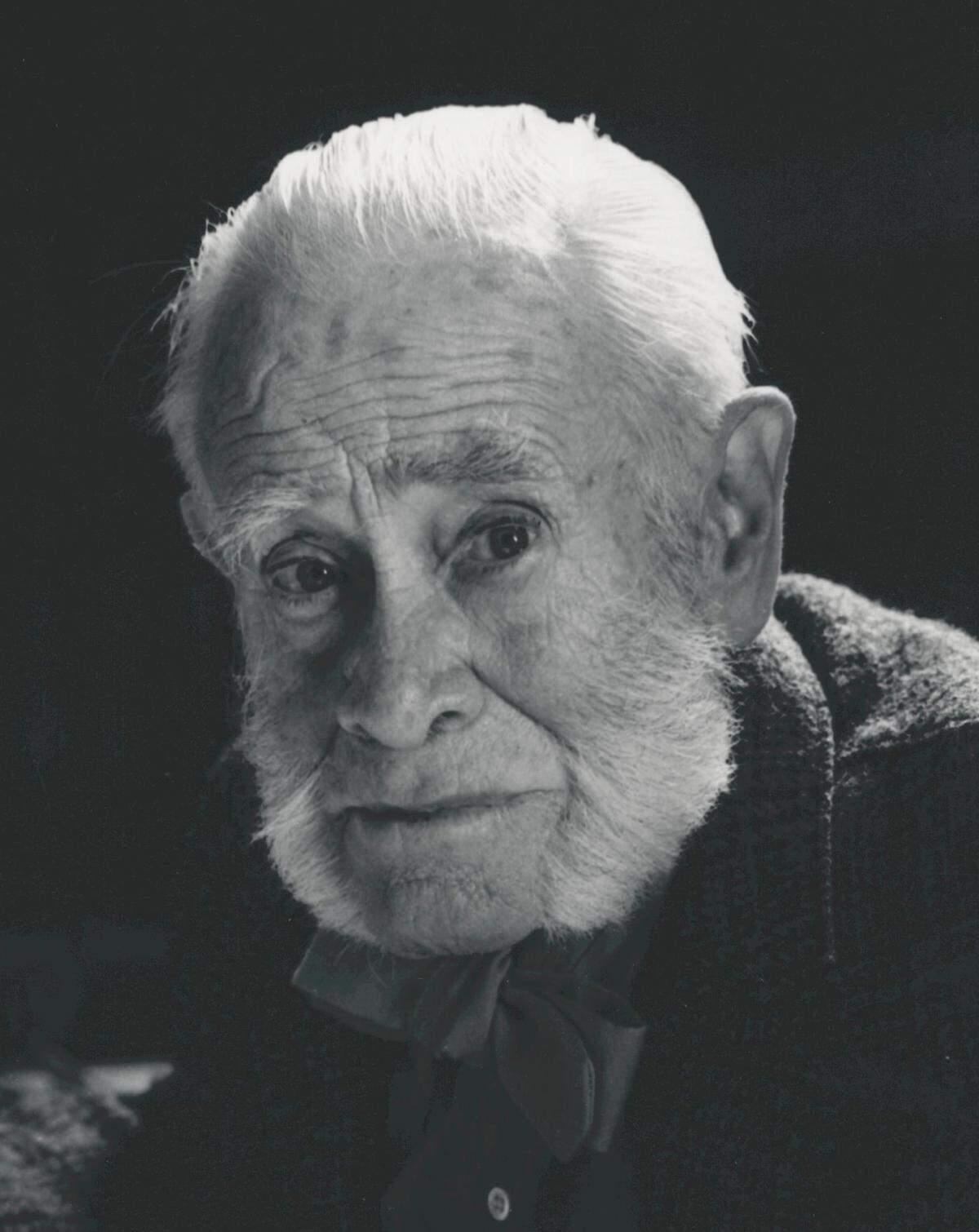
John Jacob Niles (1892-1980) was an author, composer, singer and expert in traditional ballads, who is considered a major influence on the American folk music revival of the 1950s and 1960s. His first book, Singing Soldiers (1927) was a collection of Black soldiers’ songs from World War I, and he continually collected music from throughout Appalachia. He was alsoa wood carver and built many of the instruments he performed with, some of which are now on display at the University of Kentucky’s John Jacob Niles Center for American Music.
Albert Stewart (1914-2001) was a Knott County poet, teacher and editor who started the annual Appalachian Writers Workshop and founded and edited Appalachian Heritage magazine, which published many of the region’s emerging writers and poets. He was raised at the Hindman Settlement School, and earned degrees from Berea and UK.
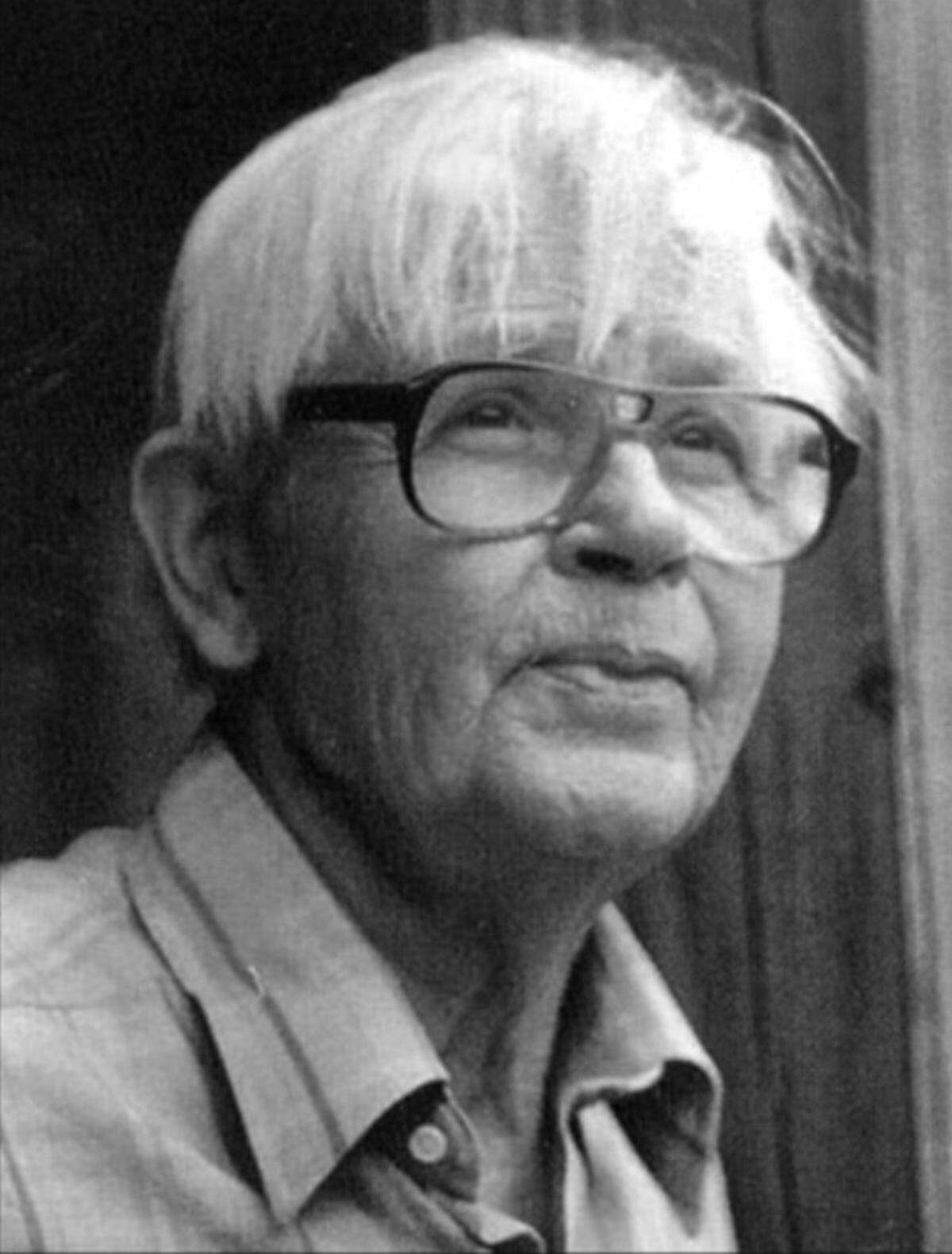
John Egerton (1935-2013) was raised in Western Kentucky and was a long-time journalist and book author, focusing on education, social justice and Southern food. His 1987 book, “Southern Food: At Home, on the Road, in History,” led to a syndicated food column for The Atlanta Journal-Constitution. Egerton was one of the founders of the Southern Foodways Alliance at the Center for the Study of Southern Culture at the University of Mississippi in 1999. He also wrote “Speak Now Against the Day: The Generation Before the Civil Rights Movement in the South (1994), and seven other non-fiction books.
.jpg "John Egerton (1).jpg")
Robert K. Massie (1929-2019) was a journalist, historian, and Pulitzer Prize-winning biographer most famous for his books about Russia’s imperial family, including “Nicholas and Alexandra.” The Woodford County native won the Pulitzer Prize for Biography with “Peter the Great: His Life and World.”
This story was originally published December 29, 2020 at 8:12 AM.