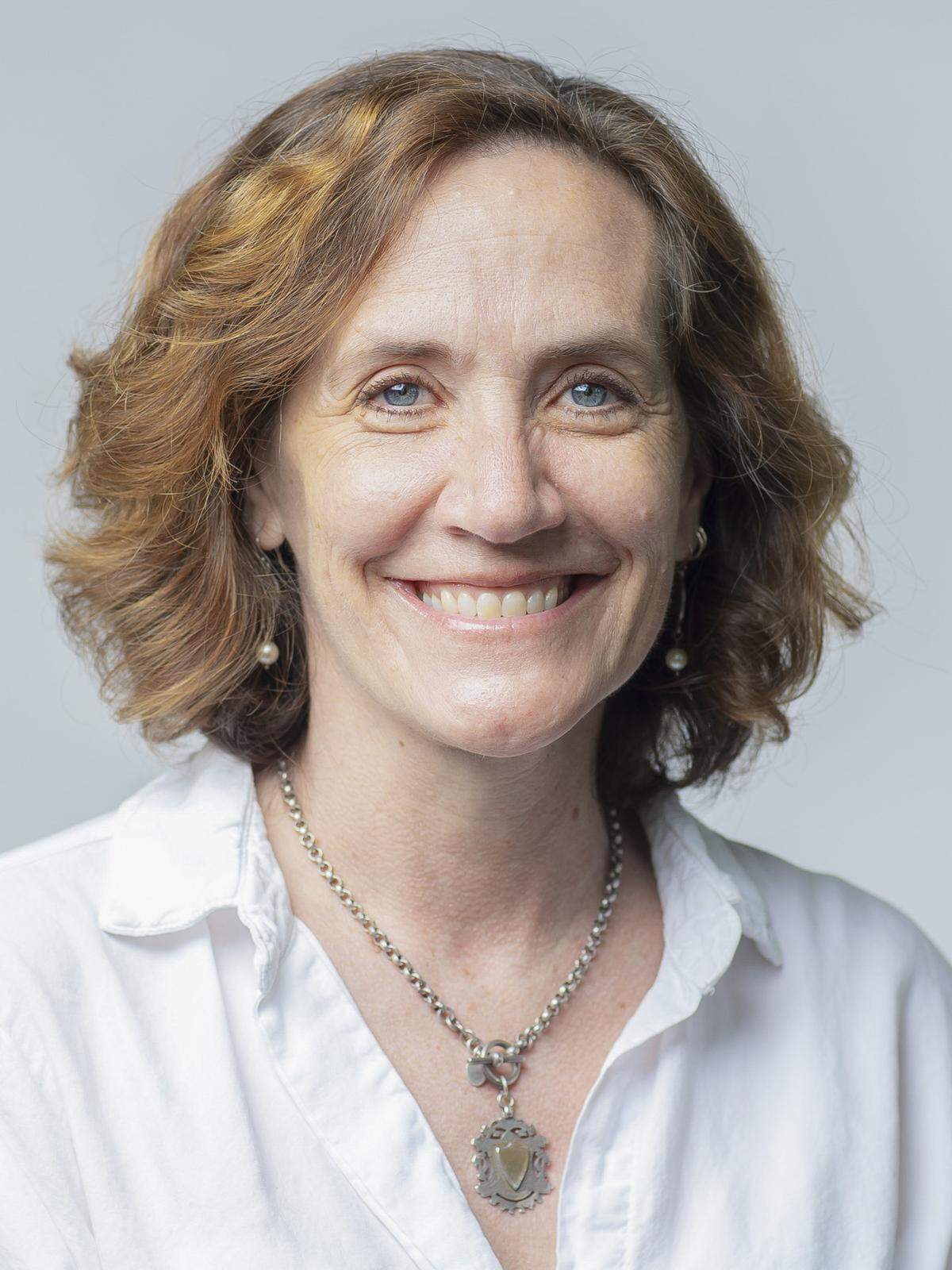
‘You have to have the passion.’ Lexington’s Black history guru keeps on exploring.
Last week, I was talking to local historian Yvonne Giles about one of her latest projects, research for the Chronicle of African-Americans in the Horse Industry website on a forgotten Thoroughbred trainer named Albert Cooper, who won numerous big races in the 1880s and 1890s. Cooper was born into slavery promptly forgotten after Black horsemen were basically erased from the industry.
“He was at the top of the industry,” she said in her soft voice. “The list of horses that he trained and the races he won has blown us all away.”
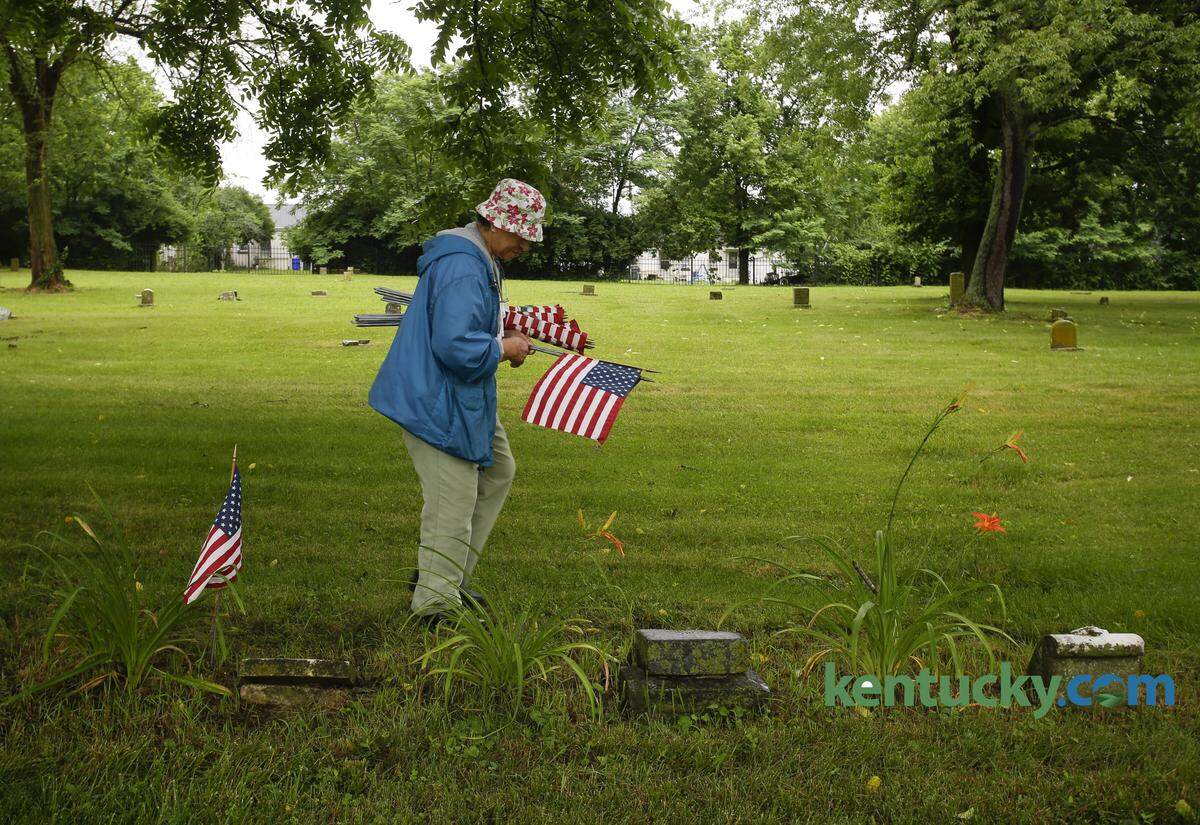
The people, places and things that blow Giles away are legion; many of them are connected to Lexington’s horse industry, but they could also be Isaac Scott Hathaway, a Black sculptor from Lexington who Giles reintroduced to his hometown, or the African Cemetery #2, a formerly weed-covered lot that Giles helped return to a cemetery, researching many of those buried there.
It got me to thinking about people like Giles or Reinette Jones, who created the Notable Kentucky African Americans database, working on it in her spare time at the University of Kentucky, or UK professor Gerald Smith, who uncovered much of what was forgotten about Lexington’s civil rights movement, and later co-edited of the Kentucky African-American Encyclopedia.
Of course, there are many, many more who contribute to what we know about Kentucky’s Black history. But in Lexington itself, there is no one who has Giles’ breadth or her passion for her (mostly unpaid) work as a (self-taught) historian.
“I love her willingness to share her knowledge and research so that it becomes readily available for those who need it in the future,” said Thomas Tolliver, an East End community activist. “She works on everything, from the downtown Heritage trail, her contributions at the Horse Park. She has made celebrating Juneteenth in Lexington a yearly thing, she gets credit for that.”
Even at 76, she seems tireless. When the city wanted to create a Heritage Trail around the former slave market at Cheapside, they called Giles. She spends countless hours in the Kentucky Room at the Lexington Public Library, or out at Keeneland going through their old publications for a mention of Black horsemen like Cooper.
Retired Herald-Leader columnist Merlene Davis is now working on the Horsemen’s Chronicle with Giles.
“She doesn’t drive anymore and she told me that getting someone to take her to Keeneland Library to spend the entire day is one of her great joys,” Davis said. “She is obsessed, and that is our blessing.”
Giles combs through source materials, like obituaries and crumbling news articles, and leaves modern-day digital techniques up to people like Jones, who helped her get Lexington’s crumbling Colored Marriage Registry at the County Clerk’s office on line for everyone to access.
“When Yvonne tells you something, you know it’s true, because she has dug up the records to prove it — and she has them neatly organized in a notebook to show you,” said Tom Eblen, former Herald-Leader columnist who’s worked with Giles on numerous projects. “There are so many amazing stories about Black Lexingtonians of the past that we wouldn’t know without Yvonne’s passion for history and her skill at uncovering it.”
Blown away
Giles doesn’t really like to talk about herself because she’s too busy with work. But you can see from her entry in the Notable Kentuckians that although she grew up in Lexington, she was the first Black extension agent in Oldham County, where she lived for many years, and the first Black woman elected to the LaGrange City Council. Her retirement back to Lexington is what let her loose on its history. In 2019, UK recognized her work with an honorary doctorate in history.
She is a proponent of continuing to celebrate Black History Month, pointing to the recent movement to put a statue of Alice Dunnigan, the first Black woman journalist to get White House credentials, in the state Capitol.
“Look how hard she worked, and we’re just now finding out about it,” Giles said. “That’s why Black History Month is important because it does always bring forth some new person or topic.”
But here’s what does worry her, as she feels herself sometimes slowing down just the tiniest bit.
“Who’s going to take this up when I’m gone?” she asked. “There are some people who are interested, but not after they find out how much work it is, or that it’s not enough to sustain a living. I do it because I love it and I do it because I know it’s needed.
“You have to have the passion to bring this little known history to the forefront, history that’s been marginalized and forgotten. You start with the cemeteries — they are our African American history archives — it’s our ancestors, what they did and how they maneuvered through every era we’ve had to confront. How they came out of enslavement, what they did in Reconstruction, how despite Jim Crow laws, they managed to organize themselves, set up businesses, set up communities.
“They knew what they wanted and went after it despite all the racial and economic deprivations. It’s always fascinating. It just blows me away.”
This story was originally published February 11, 2021 at 12:04 PM.