‘We can get through anything.’ A year later, KY’s first COVID patient, her town look back
First, we should get some things straight: Julia Donohue is not Patient Zero of Kentucky’s COVID-19 crisis, not in the sense of the movie “Contagion” with a globetrotting Gwyneth Paltrow who has the bad luck to be in China when a new virus goes from bat to pig to chef she shakes hands with, then travels through numerous airports, visits her lover in Chicago, then heads home, setting off a deadly worldwide pandemic that the world had not seen since 1918.
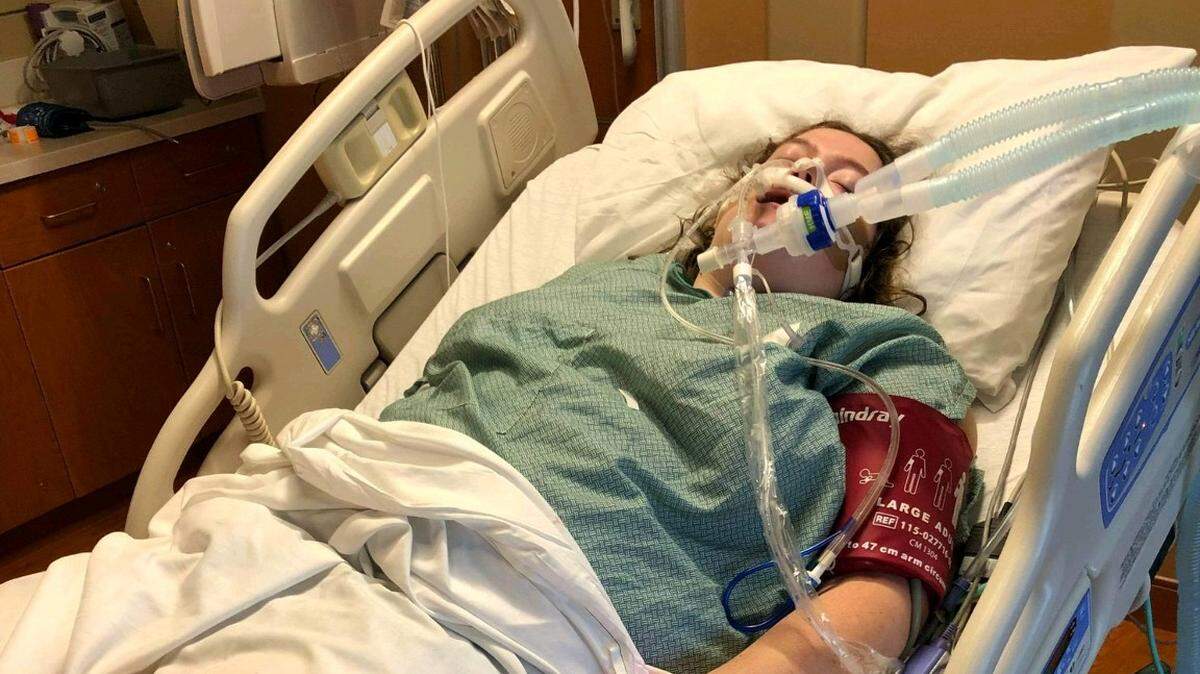
No, that patient zero, as we understand it now, was someone else in Harrison County, someone who had gone to a conference in California last February and came back as an asymptomatic carrier of coronavirus before we even really understood that you could spread the virus without being sick. Harrison County didn’t even have the right testing materials and although Donohue had shown up at the Harrison County Hospital because she was so sick, her COVID test had to be sent to state lab in Frankfort. By the time she was confirmed as the first patient in Kentucky with the disease on March 6, she was already intubated and being airlifted to the University of Kentucky Medical Center where she spent the next nine days.
“I didn’t know what was happening,” said Donohue, 28. “It was hard to understand what was going on.”
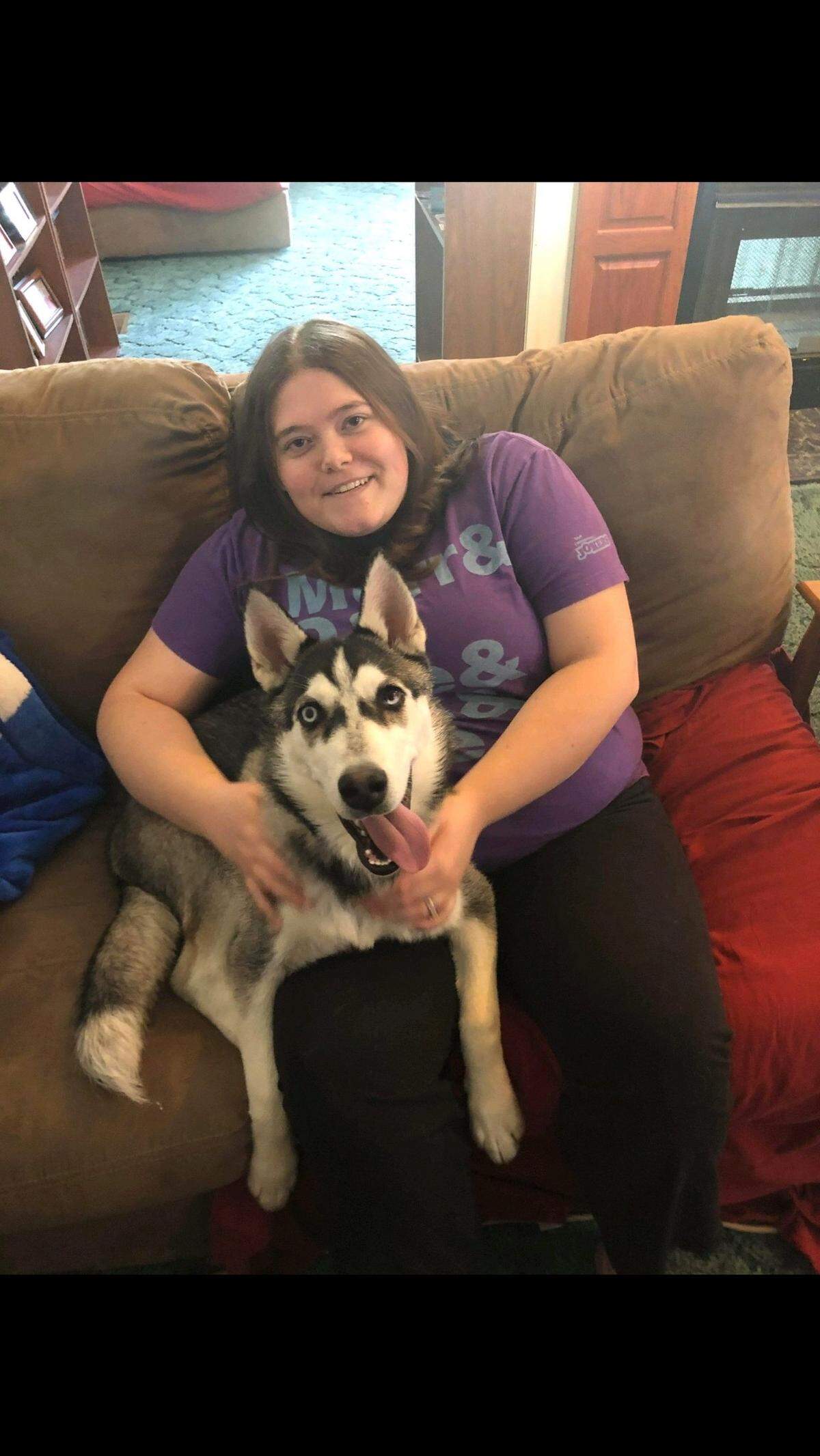
She had to do lengthy physical therapy at UK to get back her strength, and in return became a scientific guinea pig for the researchers there who needed to get up to speed very, very quickly on what was about to slam them. When she got home to her husband, Matthew, and her husky puppy, Kaiba, it took weeks to fully recover; when she went back to her job that she loves —decorating cakes at Wal-Mart— she had to sit down once every hour.
Donohue is grateful for that fog during her worst sickness because sometimes she thought she would die, and sometimes she seems almost surprised that she made it, that Cynthiana made it, that despite far too much loss, one year later, they really have come out on the other side.
“It seemed like this pandemic would just destroy everything, but it feels like people have really supported each other and they seem stronger in their faith,” she said. “It’s pretty surprising we’re all here.”
‘Still so fragile’
Surprise was what Dr. Crystal Miller felt that first week of March. She was prepared; as the executive director of WEDCO, the district health commission for Harrison, Nicholas, Scott and Bourbon counties, she understood the nature of pandemics. But preparation in contact tracing a Hepatitis C outbreak is not the same as being told a pandemic has started in your town.
“We had six cases, they were linked by a church and the water company, what that told us was the virus spread very quickly and very easily,” Miller said.
Harrison did become the County Zero, and had to model for the rest of the state exactly what a true pandemic requires: A total buy-in by leaders, a total shutdown by establishments, and a total buy-in by citizens. Well, two out of three isn’t bad; Harrison had its own share of COVID-hoaxers, but Miller, Judge Executive Alex Barnett and Cynthiana Mayor James Smith immediately started nightly Facebook live chats filmed and hosted by Becky Barnes, the editor of the Cynthiana Democrat, who also whipped out a free special news section on COVID to everyone in the county.
“They changed minds,” said Jack Gruber, a USA Today photographer and Harrison County native who has opened up an artists colony on his farm there. “They didn’t fall into the lane of ‘oh we’re fine,’ they went at it at head-on.”
Now, one year later, the March sunshine has melted away all the ice, the vaccines are here, and much, much more seems possible than it did even a few weeks ago. That’s true for Cynthiana’s business district, surely made up of the hardiest optimists around, where 20 new businesses have either opened or are planning to in the historic downtown, including a new comic shop, a lollipop store, an independent book seller and two liquor stores.
“I think even before COVID, Cynthiana was experiencing a comeback,” said Mayor Smith. “The excitement was so great that COVID couldn’t stop it.”
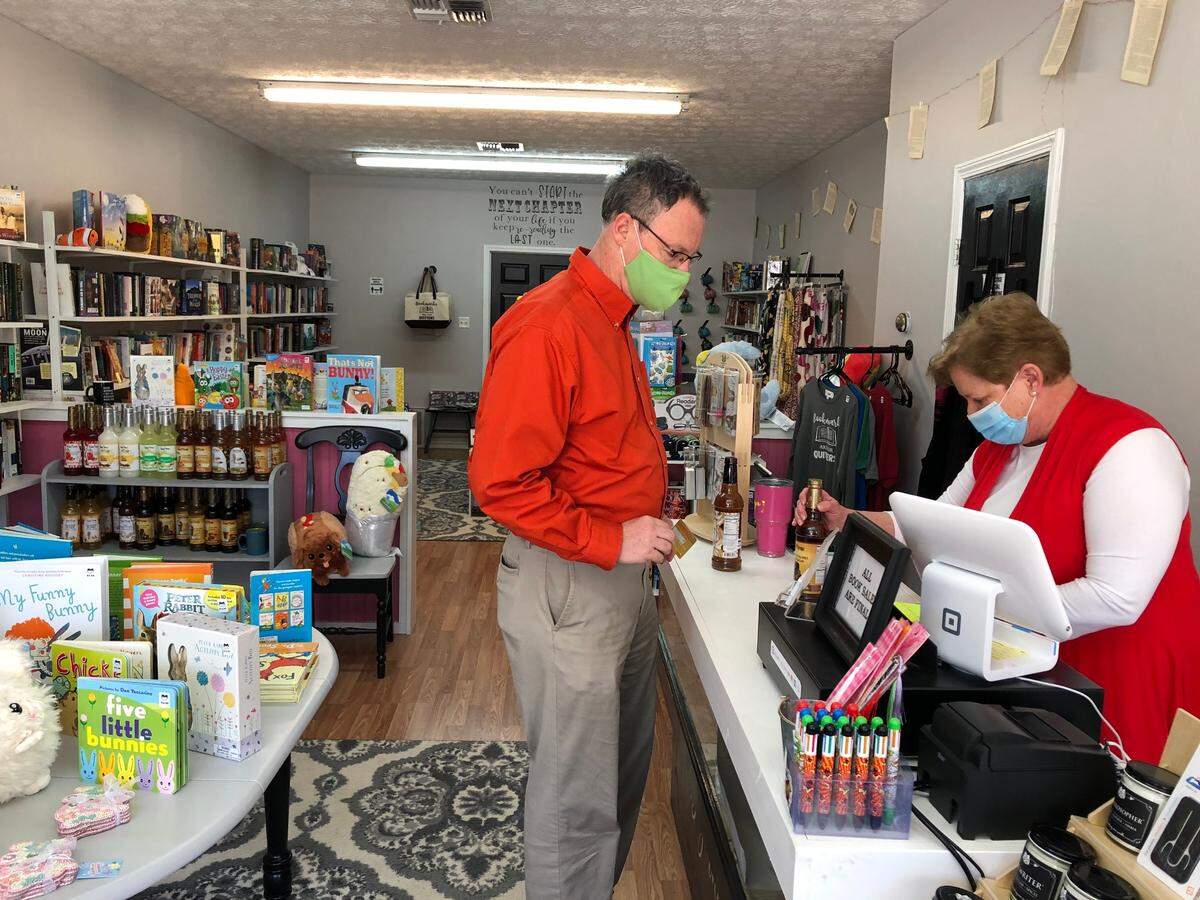
Still the shutdown was serious, and they were the first ones who had to figure out the things that seem commonplace now, like new parking places for curbside pickup and getting businesses that had resisted an online presence to get a FB page.
Restaurants quickly shifted to takeout. Biancke’s Restaurant has been open since 1894, so has now survived two pandemics, pointed out owner Jon Gruchow. The first town to be shut down by COVID, did “have some stigma,” he said. But later on, Main Street restaurants like Biancke’s and Uniques Antiques benefited from day trippers who were tired of being cooped up and decided to visit smaller Kentucky towns.
Not that it was easy. Karey Riddell had only opened The Burley Market coffee shop downtown about nine months before. Now, because people liked the food and the ease of pickup, it’s more like a full-scale restaurant, leading her to invest in expanding her kitchen.
Riddell was cut out of a second round of PPP loans because the form accounted only for gross revenues, not the huge amounts of money spent on improvements, such as outdoor furniture.
“I am afloat,” she said. “But it is still so fragile.”
Local celebrity
When Julia Donohue came back to Wal-Mart, she was a bit of a celebrity, but she was just glad to get back to doing what she loves. “I love cakes,” she said, “the flavor doesn’t matter, it’s the decorating part I love. It makes me feel so special.”
Everyone in town knew her story, and she would talk some folks through their fear or confusion about COVID-19.
“That’s what makes me happiest, having people say that they’re hopeful or more informed because of what I went through,” she said. “The people I helped were scared and afraid it would be really bad on them.”
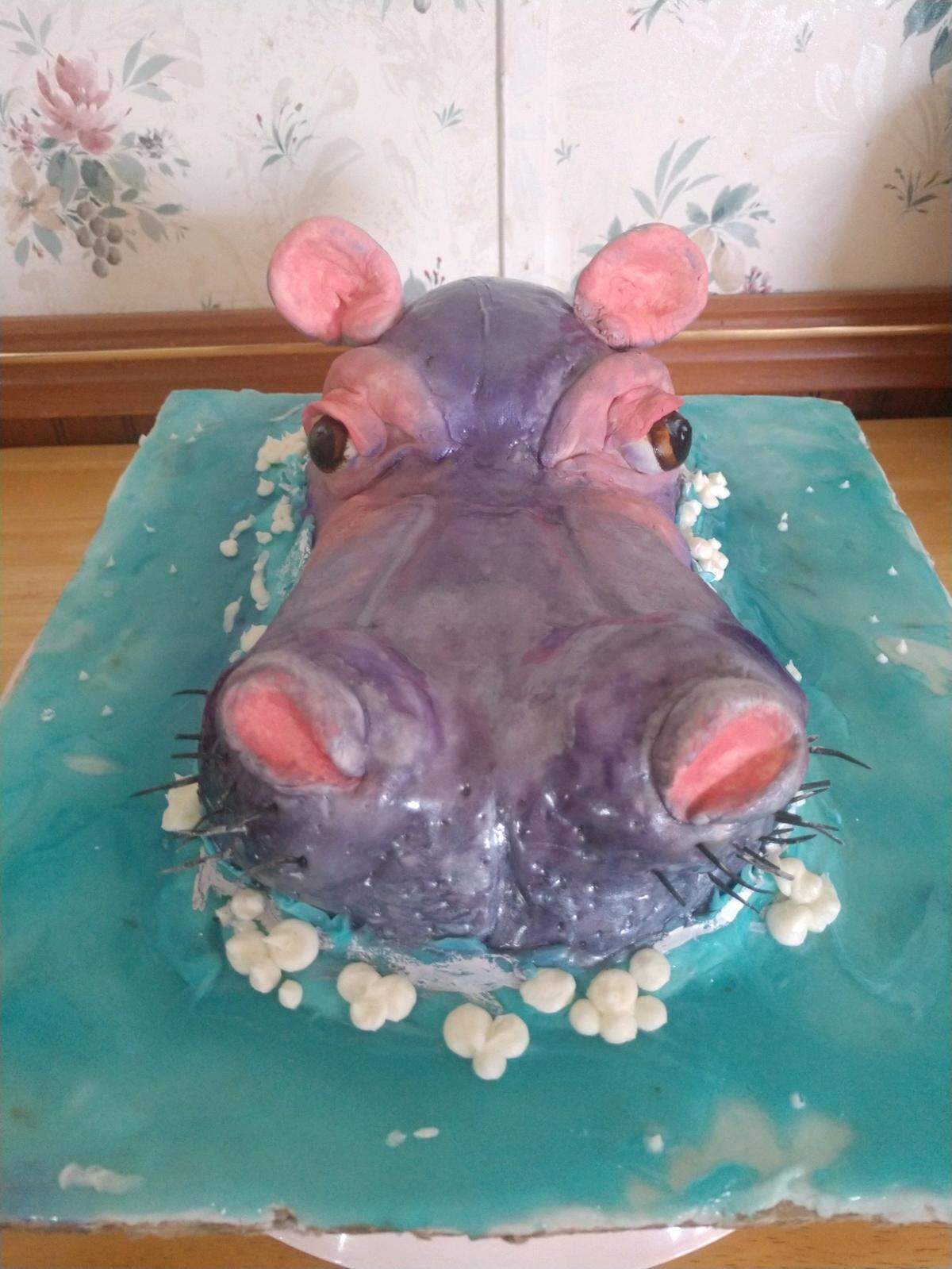
And it is confusing. Her husband, Matthew, never tested positive, despite staying with Julia throughout her sickness. She now blames luck, calling him a four-leaf clover and herself a black cat.
Her luck or lack thereof is why she hasn’t yet gotten the vaccine. “I’m afraid of what it could do down the line, with my luck,” she said. “I don’t want to tempt getting worse off now than right now.”
Recovery, whether for Riddell’s restaurant or Donohue’s immune system, still seems somewhat tenuous to them. But the pandemic may have made us more thoughtful about a lot of different things, says Smith. Late last spring, Harrison County held its first Black Lives Matter rally, something that in another time, might have been ignored all together. Crisis of every kind can build strength.
“I think that has helped our county,” he said. “And I think, looking back, that we are stronger overall. We know now that we can get through anything.”
This story was originally published March 5, 2021 at 9:58 AM.