Ky. Hall of Fame inductee wrote first drafts of history many would like forgotten
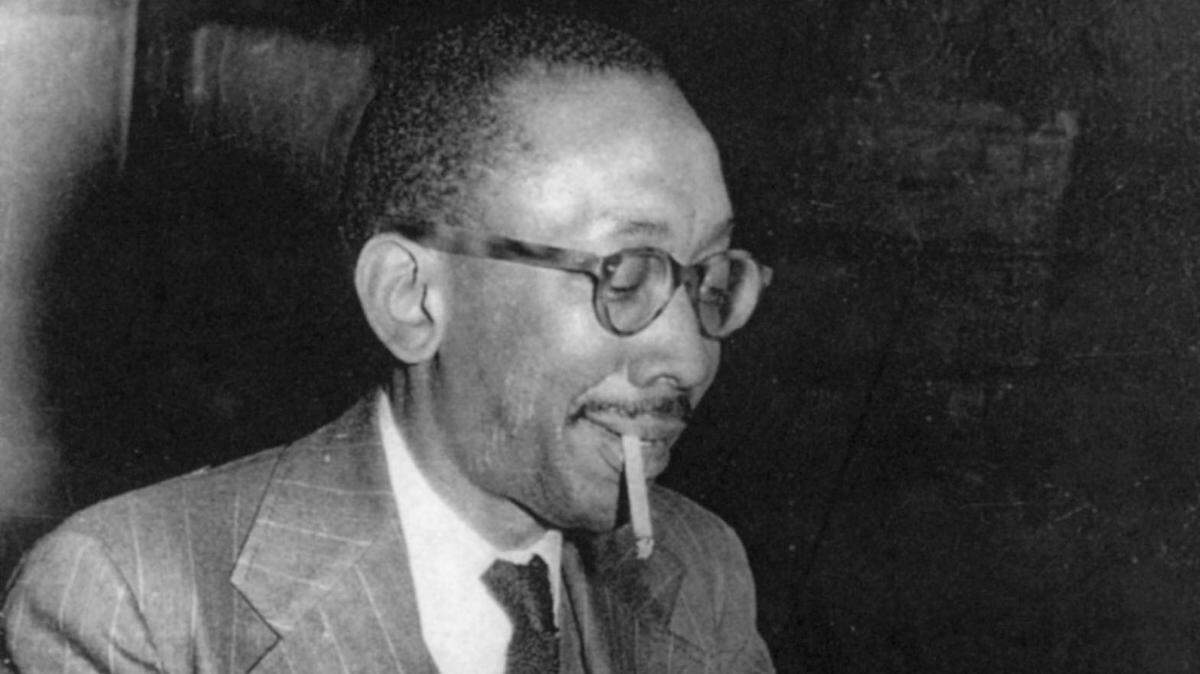
“How does it feel to be chased down a lonely moonlit Florida road — in a small car careening from side to side at a 90-mile clip — with sudden death facing you from a possible collision ahead or a bloodthirsty mob behind?” Ted Poston, “Horror for Sunny South,” New York Post, Sept. 8, 1949
The New York Post sent Ted Poston down to Groveland, Fla. in 1949 to cover what turned into one of the most horrific racial crimes in U.S. history. Four Black men were falsely accused of rape. One was killed immediately, shot 400 times by a white mob. The other three were quickly found guilty by an all-white jury. After the Supreme Court overturned that verdict, the local sheriff shot the other two, claiming they were trying to escape. One died.
Poston covered the Groveland Four debacle, as it came to be known, but became part of the story when he had to flee the Florida courtroom with defense lawyers because, he, too was Black, the first prominent Black journalist to work at a major daily newspaper, according to his biographers.
His work on the Groveland Four earned him some of the most prestigious prizes in journalism, a Polk Award, a Braun Award and Pulitzer nomination. Thanks to those stories, the U.S. Attorney General opened an investigation into the torture the men endured by local authorities to wrest a confession.
He has been largely forgotten by time, even in his hometown of Hopkinsville, Ky., where he was born on July 4, 1906. That he is remembered at all is due largely to his late biographer, Kathleen Haucke, and Hopkinsville journalist Jennifer Brown, who successfully nominated him for this year’s induction into the 2022 Kentucky Writers Hall of Fame. He is joined by poet George Ella Lyon, historican James Klotter, Appalachian scholar Loyal Jones and poet and teacher Robert Hazel.
But I wanted to focus on Poston because his story is so timely on this weekend before Martin Luther King, Jr. Day and this time when our lawmakers are trying to ban any discussion of race and history that might be difficult. They want to deny the systemic racism that created our country — systems that created the case of the Groveland Four, and drove Poston out of Kentucky and up to New York.
One of the reasons that Poston’s career is so important, Jennifer Brown, founder and editor of the Hoptown Chronicle, wrote is that Poston “was for many years the only black voice speaking directly to white American newspaper readers about his experience. When he wrote what it was like to be chased by the Ku Klux Klan from a rural Florida community after covering a trial there, he was describing a kind of horror that no white writer could explain first-hand.” He became known as the “Dean of Black Journalists.”
The Post was a more serious, important paper back then, and Poston covered numerous other stories and columns, such as dispatches from Harlem, Bill Robinson’s funeral, President Kennedy and race relations, all collected in a book by Hauke entitled “Ted Poston: A First Draft of History.”
He returned to his Kentucky roots in a series of mostly humorous stories based on his childhood in Hopkinsville, also collected and edited by Hauke called “The Dark Side of Hopkinsville.” In one of those stories called “Papa Was a Democrat,” Poston wrote: “At first, I didn’t know exactly what a Democrat was, but I gathered it was regarded as something dirty in our colored community. So I was always forced to carry the argument one step further by busting my opponent in the nose.
“But there was no fence built around my nose either, so I didn’t always win the argument with this stratagem.”
Poston retired from the Post in 1972 and died two years later. He’s buried at Cave Spring Cemetery in Hopkinsville. In 1999, New York University included Poston’s Groveland Four story series on its list of the 100 best works of American journalism in the 20th century.
It’s good that Kentucky will recognize his work describing the first drafts of some of our most disturbing history. Some of our legislators need to read it.
George Ella Lyon: A poet, author and musician, Lyon has published 10 poetry collections, two adult novels, six novels for young people and 34 children’s picture books, plus stories, songs, plays, scripts and memoirs.
James Klotter: Award-winning author, professor and the State Historian of Kentucky since 1980, Klotter’s best known books are “Henry Clay: The Man Who Would Be President (Oxford University Press, 2018), and “Kentucky Justice, Southern Humor, and American Manhood: Understanding the Life and Death of Richard Reid ( LSU Press, 2003).
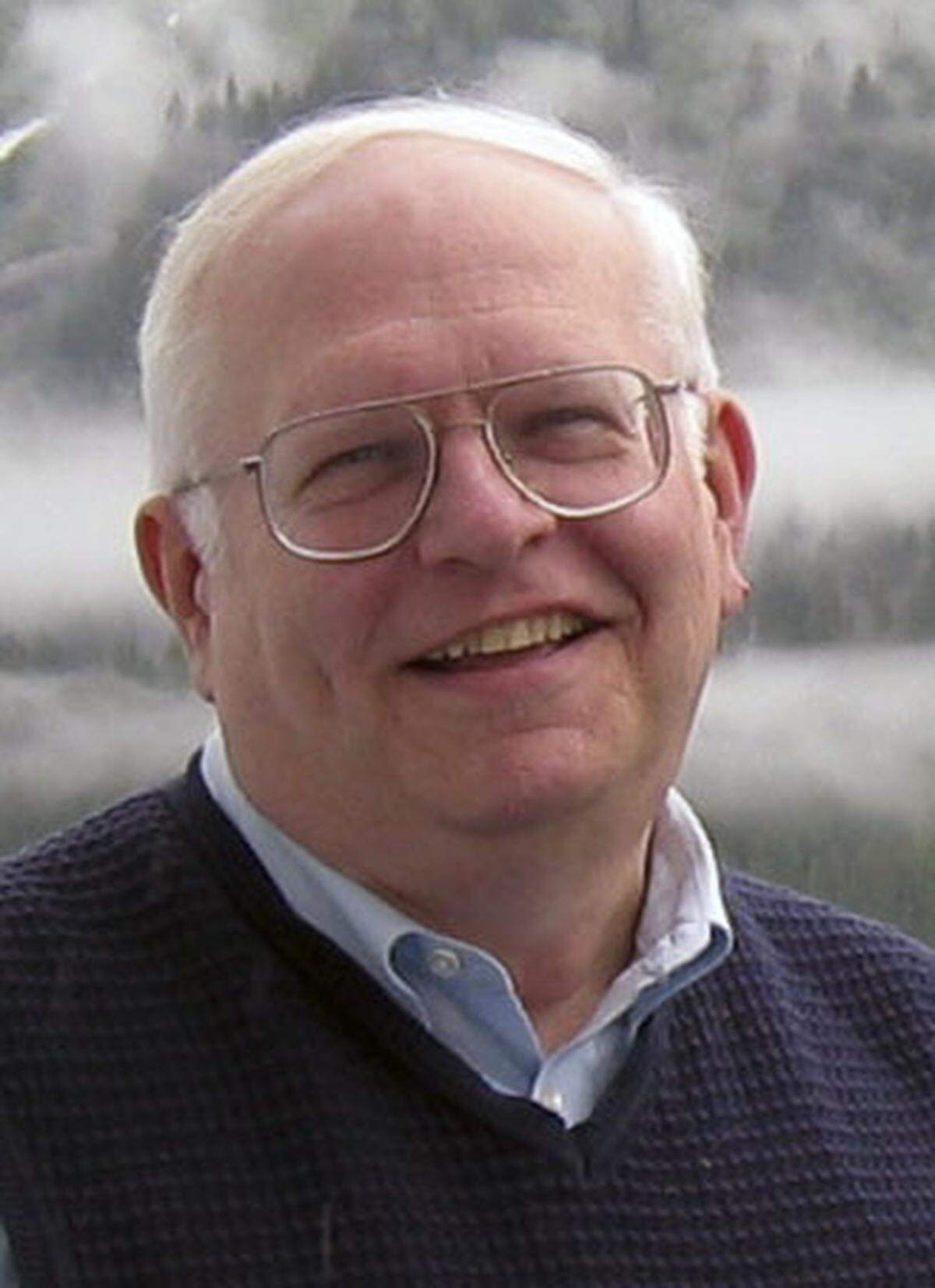
Loyal Jones: A prolific writer and scholar of Appalachian culture, the author or co-author of 13 books and founder of the Center for Appalachian studies at Berea College.
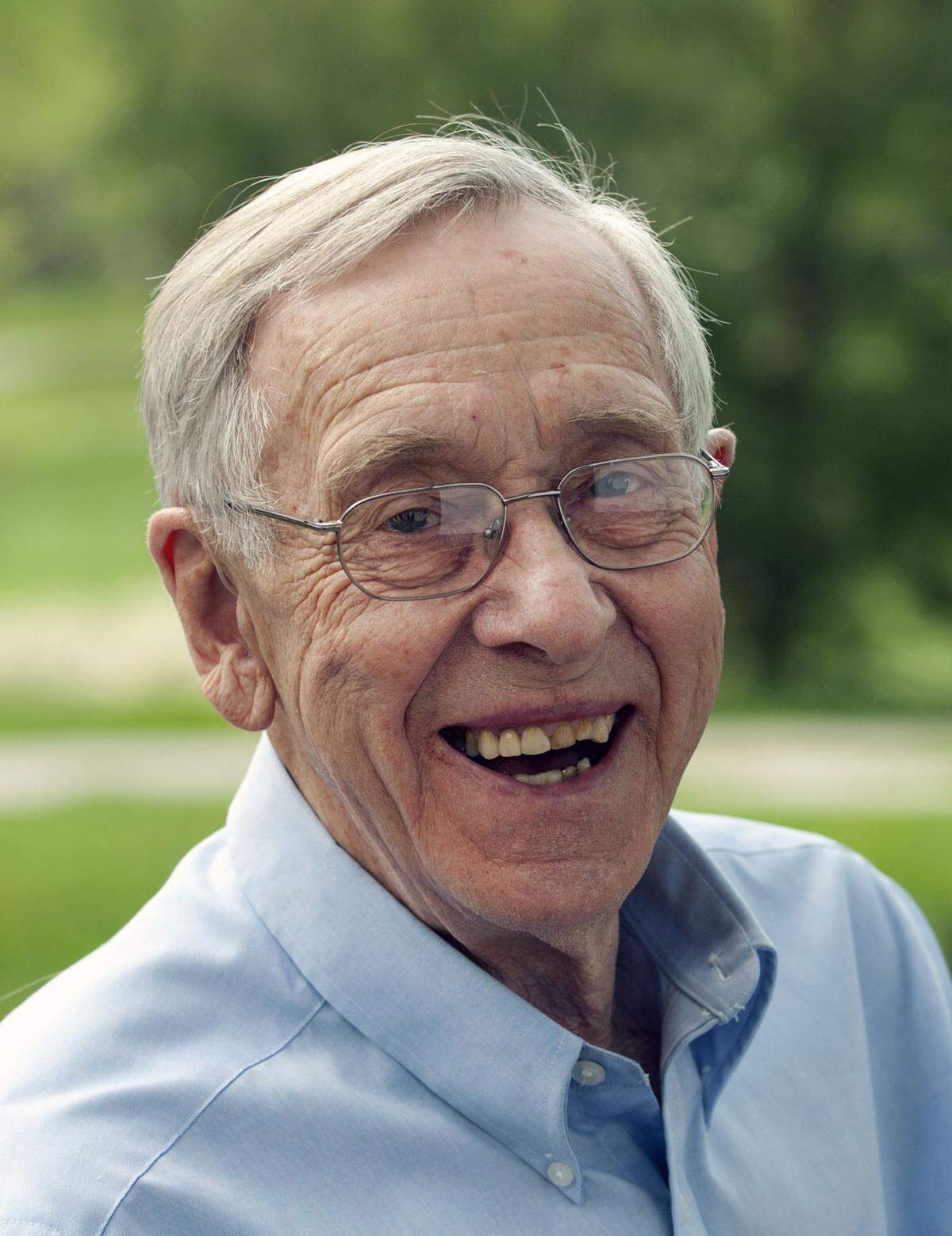
Robert Hazel (1921-1993): Robert Hazel published five collections of poetry, three novels and several short stories. He taught numerous Kentucky writers, including Wendell Berry, Bobbie Ann Mason, James Baker Hall, Ed McClanahan, Gurney Norman, Rita Mae Brown and Charles Simic.
This story was originally published January 14, 2022 at 8:47 AM.