Heavily recruited UK engineering professor leaves amid charges of racism, sexism at school
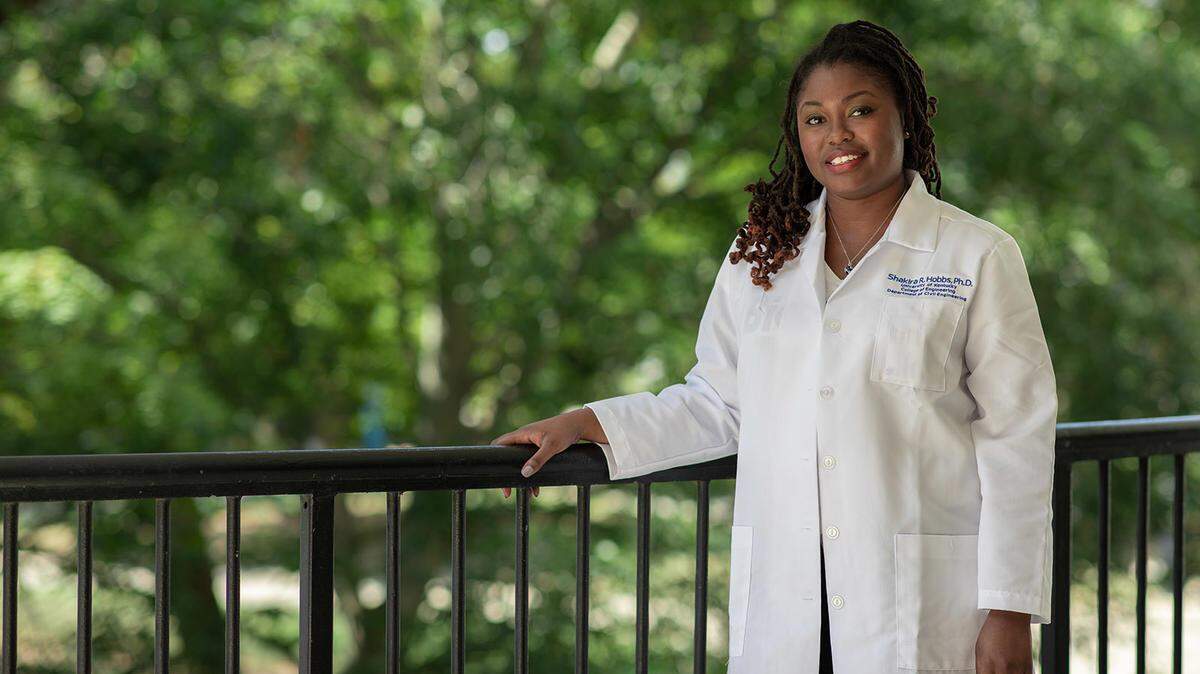
University of Kentucky and Twitter followers may have noticed an interesting thread by UK engineering professor Shakira Hobbs, who announced her departure from UK on Wednesday for some very unhappy reasons.
“Even though I was heavily recruited by University of Kentucky, I’ve dealt with lies, theft, sabotage, racism, sexism, and two miscarriages. God has blessed me w/ a baby in my belly that has made it to the 9th month in spite of UKs continuous harassment. #IKnowTheLordWillSeeMeThru.”
Now nine months pregnant and headed in the fall to the University of California at Irvine, Hobbs’s thread documented a series of problems with her department and UK administration that she believes were due to her status as an “outspoken” Black woman in a typically white, male field.
“The vibe that I got is they did not really expect much of me, they wanted my race, they wanted my sex, but they did not see me as someone contributing to the field,” Hobbs told me in a phone conversation on Wednesday afternoon.
Hobbs did her graduate work at Clemson and a post-doc at the University of Virginia, where she was heavily recruited by UK engineering faculty, including then-chairman Reginald Souleyrette. In the fall of 2018, she negotiated a package that included money for graduate students and an important piece of equipment that would allow her to continue her work testing pesticide levels in water and soil.
In the fall of 2019, the equipment had not been made available. When she approached him about it, she said, he responded “that I wasn’t a good fit for UK and he would help me find somewhere else,” she said.
This was shocking to Hobbs, especially amidst the research she was doing and papers she was writing that were lauded by UK itself in internal publicity like one story that lauded her publication rate and the “humanitarian engineering” that she practiced in the nexus of food, energy and water.
She and the chair met with a mediator present and resolved that issue, but there were a series of others she documented, like a message she received from the chairman critiquing the “abrupt” tone of her out-of-office email message she put up while recovering from a miscarriage. At an alumni banquet, she said, the assigned seating put all the Black faculty at a table in the back. She also had trouble with some of her colleagues, including one she accused of stalking her, which ended up in a Title IX complaint with UK.
Hobbs was awarded an equipment grant, thanks to the help of some administrators, who Hobbs called true allies. But other pinpricks continued, such as internal interference with her federal and internal funding accounts.
At that point, she’d had enough and started looking for new jobs. Given the tight academic job market, it speaks volumes that Hobbs was able to find another job in the University of California system so quickly.
When I asked UK officials about this situation, spokesman Jay Blanton sent this statement:
“The university generally does not discuss personnel matters out of respect for all concerned. However, we take concerns of this nature very seriously, and review them thoroughly as part of our responsibility to create a safe environment for all. Diversity, equity and inclusion is an important priority in colleges, units and departments across our campus. We are an institution that cares deeply about our people, and we strive to be a community of belonging where everyone feels valued.”
It’s true that UK has tried to make some amends as a school that has not been historically friendly to either Black students or Black faculty. In recent years, they have hired many more faculty of color and made steps like the creation and funding of the Commonwealth Institute for Black Studies. However, none of that is any use if the internal atmosphere at UK doesn’t support those professors and administrators once they arrive.
Hobbs said she is sad about the whole situation.
“I loved being a professor, I did not want to leave academia, and I like living in Lexington,” she said. She noted that STEM fields like engineering have been slower to open to diversity, and there’s still a hierarchy of white men who expect more traditional structures.
“I think there’s a problem in engineering across the nation,” she said, “but not to this degree ... Institutions like UK get us here, but there’s no plan in terms of retention, there’s no plan in terms of inclusion, no respect of individuality. There’s no expectation that we can contribute anything intellectually.”
Any readers who have experienced similar issues can email lblackford@herald-leader.com. Responses will be kept confidential and we may reach out to you for more information.”
This story was originally published June 2, 2022 at 11:24 AM.