‘Soul of Lexington.’ The story (and paradox) behind the man who gave Gratz Park its name.
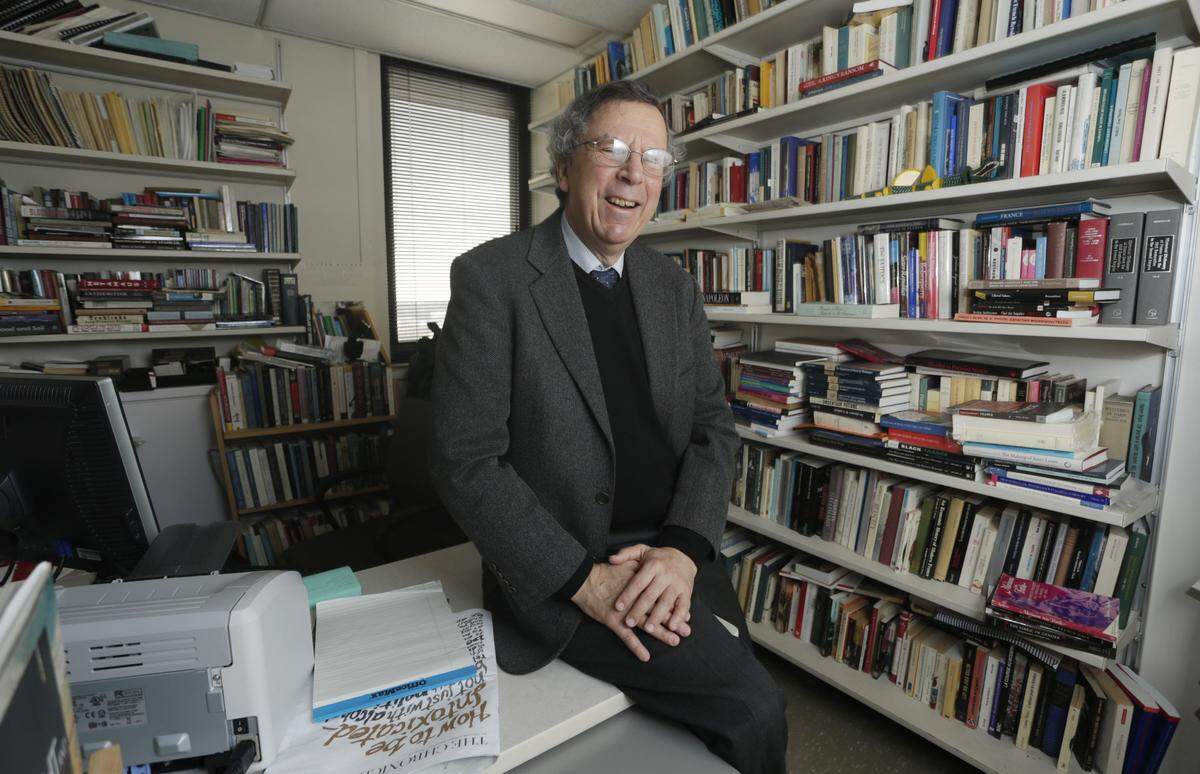
Jeremy Popkin is one of the University of Kentucky’s most distinguished, award-winning professors, known for his scholarship into the history of the Holocaust, the French Revolution and Haiti.
But as he nears retirement, Popkin has also turned his attention closer to home, namely early Lexington resident Benjamin Gratz, the man for whom one of downtown’s gems, Gratz Park, is named.
.jpg "Benjamin Gratz around 1831, painted by Thomas Sully. (3).jpg")
“I was intrigued by the fact this historic park in the middle of the city is named for first Jewish resident and that no one seemed to know anything about him,” Popkin said. “Most people here don’t know he was Jewish.”
So Popkin, who spends most of his research time in archives in France, turned instead to special collections at UK and Transylvania, where Gratz served on the board for a whopping 61 years. Popkin hopes in the long term to turn the research results into a book, but more immediately he will share what he’s learned in a talk at the Blue Grass Trust on Sept. 22 at 7 p.m. titled “Benjamin Gratz and the Soul of Lexington.” His talk will kick off this year’s Hopemont Lecture Series. It’s free and open to the public, but RSVPs are requested.
As he learned more, Popkin became even more interested in how Lexington’s first Jewish resident became so prominent at a time in American history when Jews were marginalized. He soon concluded that his prominence came at the expense of an even more marginalized group — the enslaved people who worked for his hemp company.
“The fact that he is so well-accepted undoubtedly has a good deal to do with his being rich and that is because he owned so many slaves,” Popkin said. Census date from 1830 showed Gratz owning 75 enslaved people; in 1850 it had dropped only slightly to 65.
Gratz arrived in Lexington in 1819 as the son of a wealthy Jewish family in Philadelphia. His sister, philanthropist and educator Rebecca Gratz, is considered the most famous Jewish woman of the 19th century, Popkin said. His father and brother had bought property in Fayette County as early as 1784; his brother Hyman actually owned Mammoth Cave for 20 years.
Gratz came to Lexington to marry Maria Gist, an Episcopalian from another wealthy family he met while she was visiting Philadelphia. They lived in a house called Mount Hope on the corner of Mill and New Street on what’s now Gratz Park. Behind their property was a hemp rope and bagging factory where the majority of his enslaved workers lived.
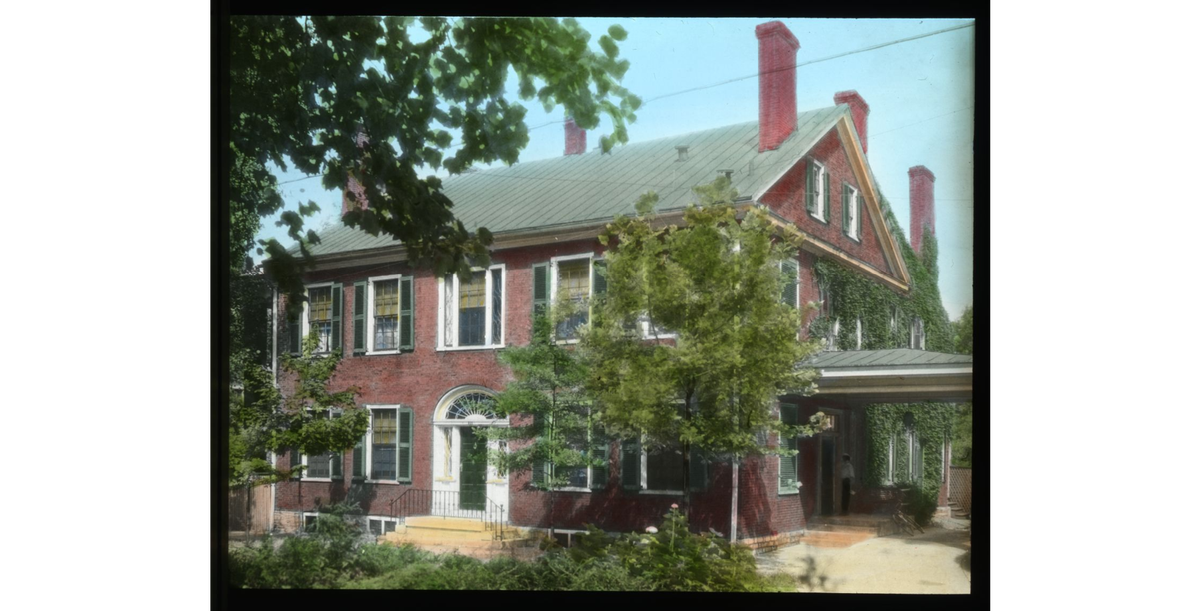
Thanks to numerous family letters that have been left behind, Popkin learned that the Gratzes lived an upscale life financed and supported in business and home life by enslaved labor with all its attendant pathologies. In one letter from Maria to a Gratz son, she wrote that one enslaved woman had killed her baby rather than let it grow up in slavery; she promptly sent her away from their home.
Benjamin Gratz did not leave much of a record about his feelings about slavery. He was on the first city council, joined the board of Transylvania University, helped plan the city’s penal code. He didn’t live a Jewish life, but planned a Jewish funeral; he supported slavery yet clearly sided with the Union during the Civil War.
The contradictions attracted Popkin to the story.
“I thought there’s a story here about the city’s history and about the different outcome of the first Jewish residents and Black residents of the city at the same time,” he said. “There’s this perplexing contradiction of a society that welcomed and celebrated a Jew who comes to represent the genteel path of Athens of the West. On the other hand, the man is intimately involved in slavery which made the money that enabled him to be this genteel figure.”
In addition to the talk on Sept. 22, Popkin will be leading a tour of Gratz Park called “The Nine Lives of Gratz Park” as part of the city’s Nature Hop program at 2 p.m. on this Sunday, Sept. 18 at 2 p.m. The tour will begin at the fountain in the north of the park.
This story was originally published September 16, 2022 at 9:54 AM.