Lexington, the horse and its history, make appearance at Kentucky Book Festival
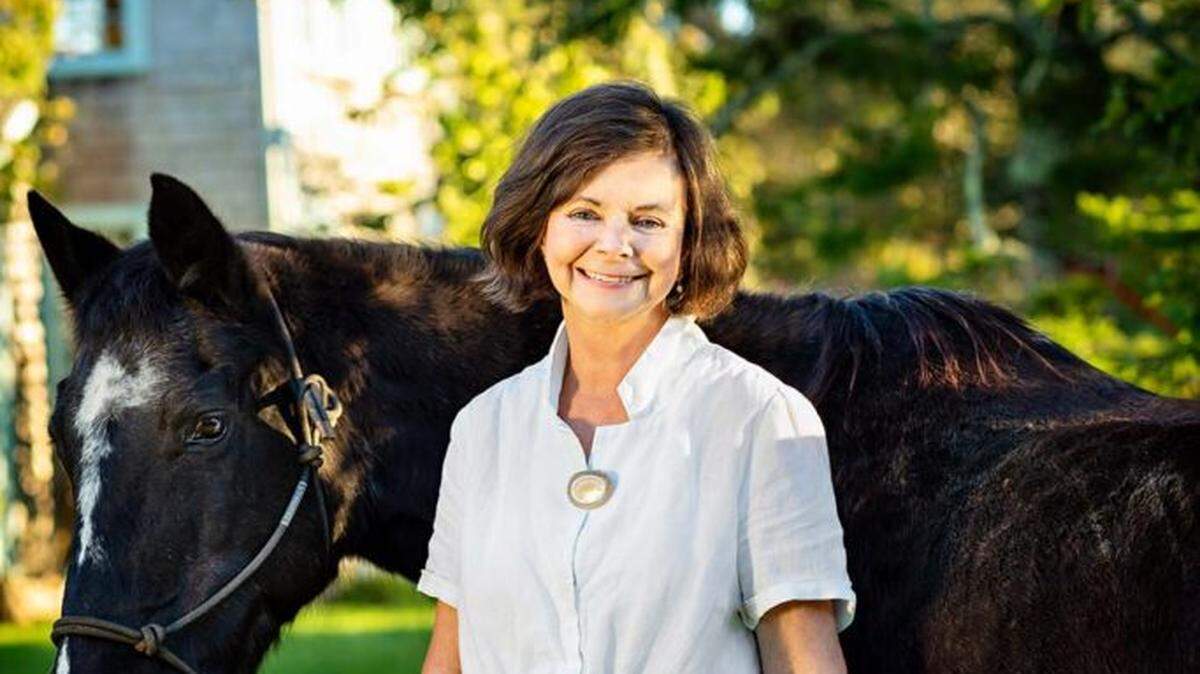
Author Geraldine Brooks didn’t get horse fever until she was 50, when she started riding, and eventually brought one home. It was also around the time when the author of “March,” a Pulitzer-Prize winning exploration of the patriarch of “Little Women,” started thinking about her next project. Or tried to.
“I became horse obsessed,” Brooks said in a phone interview. “It was all I wanted to think about — I wasn’t getting work done. Then I heard about Lexington quite by chance.”
By Lexington, Brooks does not mean our fair city, but the horse named for it, Lexington, one of the most famous race horses and sires of all time. She was at a lunch near her home in Massachusetts, and at her table was a guest who worked at the Smithsonian who had just delivered Lexington’s skeleton to the Museum of the Horse.
“My lunch was uneaten, I was leaning across the table to listen to him,” she said. “I realized straight away I had my next novel.”
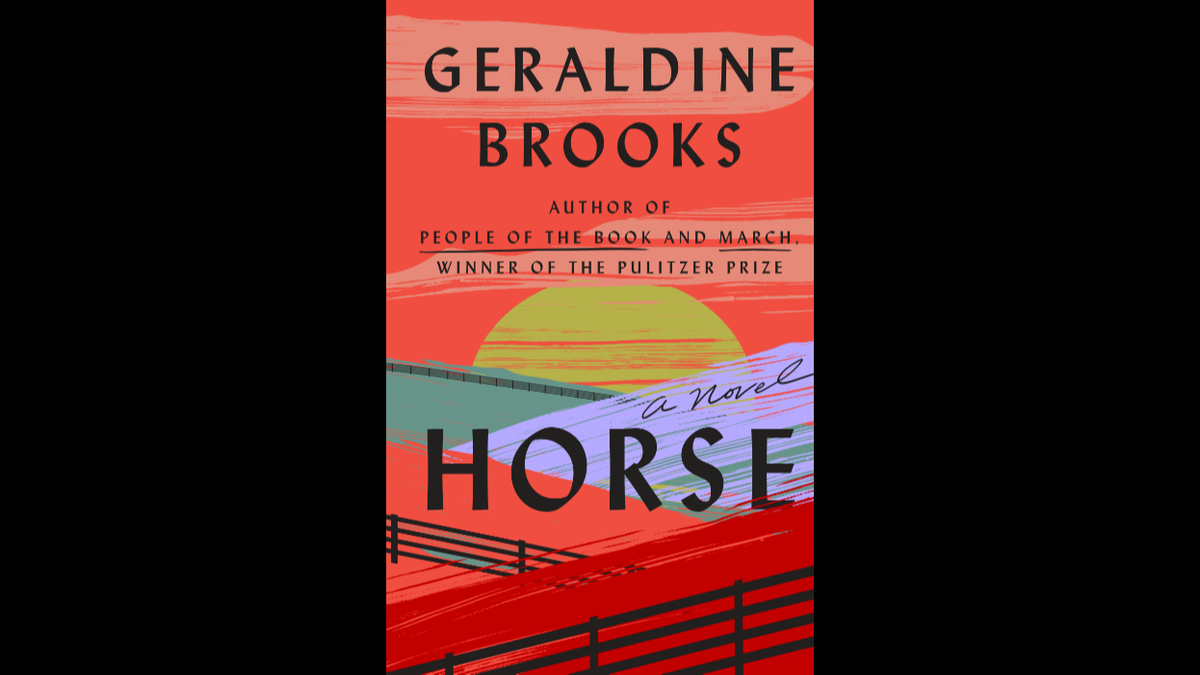
That novel is “Horse,” a historical and fictional venture into the life of Lexington, his Black trainer, Harry Lewis, and his Black groom and friend, Jarret. Lexington was born in 1850 at Dr. Elisha Warfield’s farm The Meadows outside Lexington during the short-lived heyday of Black horsemen in the Thoroughbred industry.
Brooks came down to Lexington with her late husband, Tony Horowitz, author of Confederates in the Attic, who was researching a book on Frederick Law Olmsted titled “Spying on the South.”
While here she met with experts like Bill Cooke who started the Chronicle of African Americans in the Horse Industry, and did research at the Keeneland library.
“The horse is so immaculately documented by racing press, so it was very easy to get the facts,” Brooks said. “It’s a very hard task to get information about enslaved people, but in the case of the Black horsemen because their skills were so valuable, they were written about, so you can actually get a sense of what their life was like.”
“Horse” intersperses the tale of Lexington’s racing and breeding career with the modern-day story of a Ph.D. student who finds the discarded painting of a horse, and then meets a Smithsonian researcher working on a dusty horse skeleton. Past and present are woven together in a perceptive look at our past and current racial sins.
Brooks will be back in Lexington on Oct. 29 at 2 p.m. to speak at the Kentucky Book Festival with poet and author Frank X. Walker. For more information, go to https://kybookfestival.org/. Brooks joins a star-studded lineup of speakers, including Barbara Kingsolver, Wendell Berry, Jon Meacham, Silas House and Crystal Wilkinson, among others.
The festival is at Joseph Beth Books. Despite or because of her love of horses, the one place you will not see her is at this year’s Keeneland meet. She doesn’t like the statistical odds that a horse might break down in front of her.
“Lexington’s bone structure was so much denser and stronger than anything today,” she said. “Horses are being bred to be frailer and frailer and that’s just stupid.
“I think the American racing industry really has to come to grips with its practices,” she said. “There are things going on here that no civilized country would allow, that are not acceptable for these beautiful animals we’re asking so much of. I love horses. Racing not so much.”
This story was originally published October 27, 2022 at 1:13 PM.