No justice for Mia. Case closed on 33-year-old jogger killed by car running red light. | Opinion
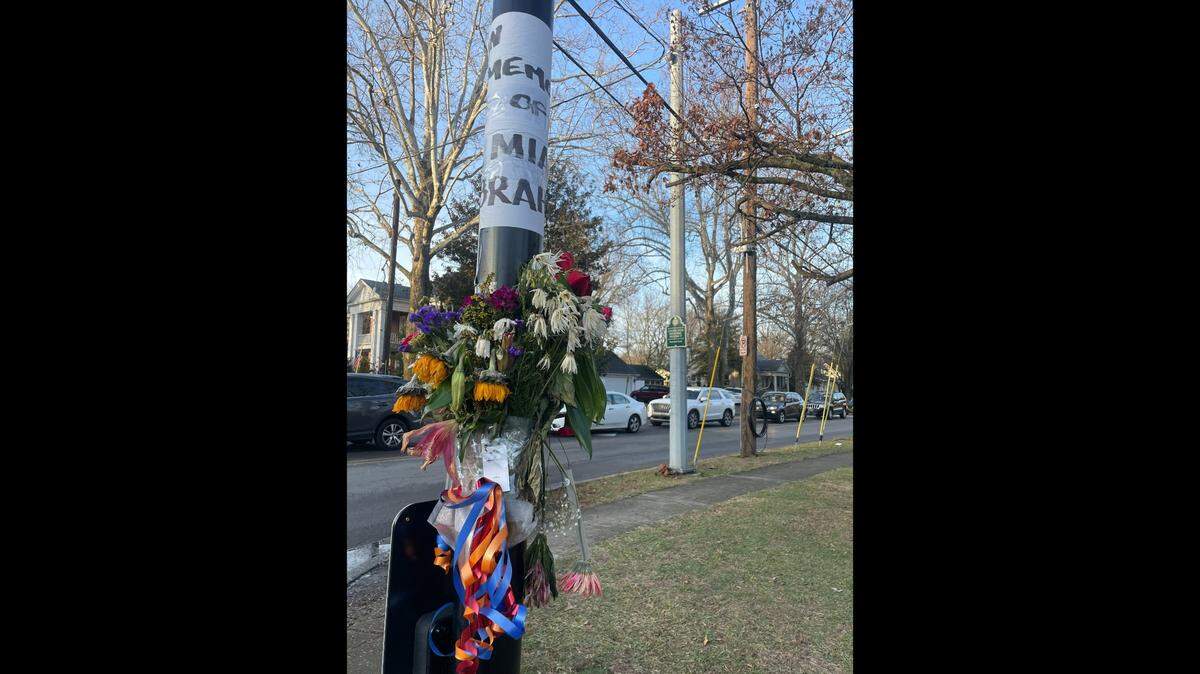
There will be no justice for Mia Ibrahim and her family.
The Lexington Police Department closed the case and did not file any charges in the case of the 33-year-old jogger killed by a driver who ran a red light on Nicholasville Road on Dec. 15, 2023.
But the family has many questions and says they can’t get answers.
“We’re supposed to accept the case is closed, but no one wants to talk to us,” said Mia’s mother, Randa Ibrahim from her home in California. “It’s as if my daughter’s life didn’t even matter.”
According to the police report, the driver admitted to police that he had taken two medications, Gabapentin and Percocet earlier that day. But because he passed a field sobriety test, the police did not take blood from him. They did take blood from Ibrahim, and found nothing. The police did not get information from the car’s black box, which records collisions, according to the report. It’s not clear why.
Ibrahim was at the crosswalk by Baptist Health that cuts diagonally across Nicholasville Road to Rosemont Garden. There are two poles there that could impair the line of sight, police said.
The report concludes:
“The primary causal factor for this collision was determined to be Mr. Jones disregarding the traffic control device for the intersection. Based on examination of the scene, it appears there was also a line of sight issue that is considered an additional causal factor. Based on the evidence, observations, and interviews above, this collision does not appear to be criminal in nature and no probable cause exists to warrant criminal charges against the driver of the involved vehicle.”
The lowest charge would be reckless homicide, which means the person disregarded the potential consequences of their actions, which police apparently did not feel they could prove to a grand jury. It was, they concluded, a tragic accident.
“It’s still a high burden to meet,” said Lt. Chris Van Brackel of the Lexington Police Department, said of Kentucky’s criminal charges.
The Fayette Commonwealth Attorney’s Office depends on police to bring charges in traffic accidents of this kind.
“I will say there are a lot of things that happen in the criminal justice system that just do not seem fair to victims,” said Fayette Commonwealth Attorney Kimberly Baird. “There are a lot of protections for defendants, and sometimes the victims get lost in that. It’s very hard to understand and accept for families: It feels like their child was killed and nothing has happened. It’s one of the hardest things we can do in this job.”
Randa Ibrahim said the family — she, her husband and Mia’s three siblings — is still weighing whether to file a civil suit.
A public health crisis
Ibrahim came to Lexington to pursue a doctorate in music education at the University of Kentucky and soon became involved with Frontrunners Lexington, an LGBTQ running and walking group. Ibrahim was remembered as a passionate advocate for music and marginalized communities who hoped to become a community college professor.
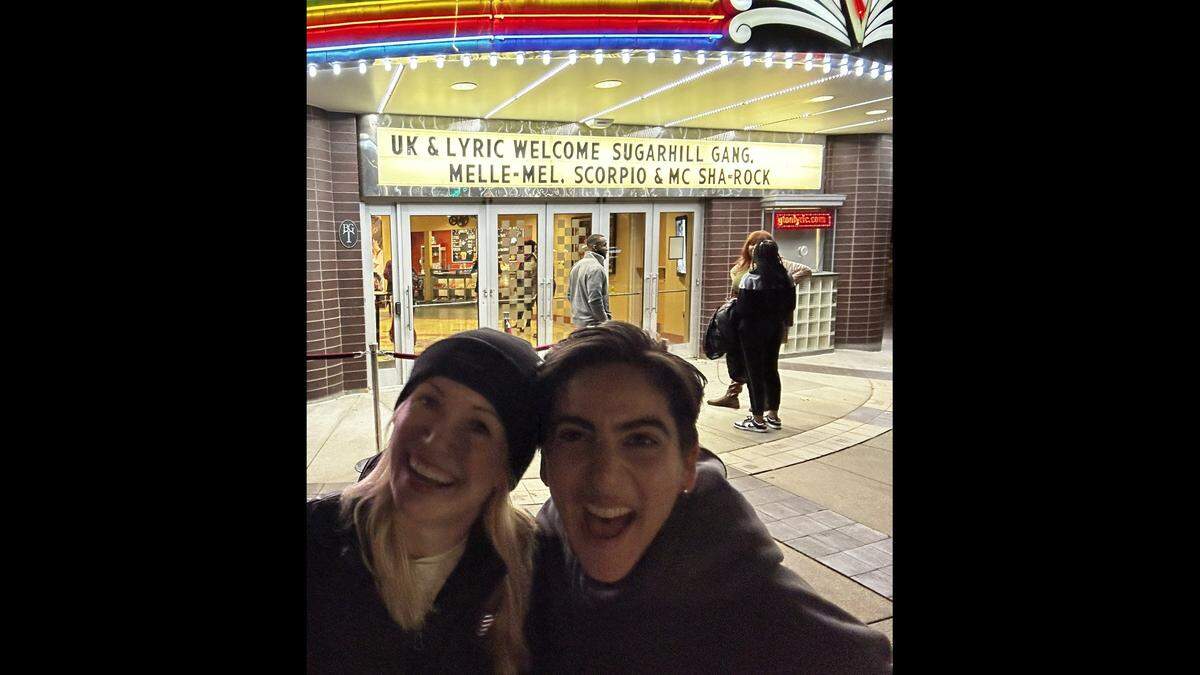
“When you were with Mia you felt like the most important person in that space with them,” Ibrahim’s friend Martina Vasil told the Herald-Leader last year. “They had such curiosity about other people and were endlessly encouraging, inquisitive, and brilliant. They had so many projects and ideas lined up.”
As Vasil said, “all of the wrong things had to happen” for Ibrahim’s death to occur.
That includes running in a car-centric city that has been slow to recognize the emergence of pedestrians and bicyclists, on a congested road that frequently feels like a six-lane highway, in a year that marked the highest rate of traffic fatalities in a decade.
So Ibrahim’s family and friends now have to accept that they died in the most tragic of accidents. The only solace, perhaps, is that their death has resulted in a wave of new awareness of pedestrian safety that advocates hope will bear fruit, not just for Ibrahim, but for the 19 other pedestrians who died in Lexington last year and the many more walkers, bikers and runners who have been needlessly killed in the past.
“I believe this is a public health crisis,” said Lexington Fayette Urban County Council member Liz Sheehan.
A safer year
As reporter Chris Leach recently reported, traffic fatalities fell dramatically in 2024 compared to 2023. The reasons are complex, but there is no doubt the city has been helped by projects like the Complete Streets Plan, and a recent federal grant program that recently gave $22 million to the city for improving safety on the north side of New Circle Road, consistently one of the most dangerous areas for pedestrians.
“I am hopeful about the progress we’ve made, but I think the council has to be committed to providing the resources to meet the action steps we’ve created,” Sheehan said. “This is not something we need to think of as a luxury, this is people’s everyday lives and transportation needs to be safe and accessible for our most vulnerable users.”
Fellow council member Dave Sevigny wants to advocate for automated traffic ticketing done by street cameras. Under that scenario, if a camera caught you speeding, it would automatically ticket your car through the mail, sending a general chilling effect on speeding. That might require action from the General Assembly.
Cameras are a complicated topic in Lexington. Two years ago, the city started recording video of the cameras used by the Traffic Engineering Department to live-monitor traffic, said Lt. Chris Van Brackel. That allows the Collision Reconstruction Unit to request video if cameras recorded any accidents. Unlike other states, Kentucky law does not allow police officers to use probable cause to issue citations at a scene, making investigations longer.
Otherwise, the new FUSUS system is coordinating the voluntary use of security and doorbell cameras around town that sometimes can be useful to police investigations, including traffic accidents. The controversial Flock cameras, set up in neighborhoods around town, only take photos of license plates, not video of events.
Public awareness
In the end, it will take public awareness of both drivers and pedestrians to make Lexington safer. As Van Brackel pointed out, most fatal collisions happen outside of crosswalks, not inside them, as Ibrahim’s did. Drivers have to slow down and pay attention.
Roy Harrison is the coordinator of Frontrunners Lexington, which embarked on a new safety campaign after Ibrahim’s death. They now give members safety vests for their evening runs and try to find areas to run outside of congested roads.
Harrison said he was pleased with the “high level of engagement” he sees from elected officials who are working on tangible ways to make Lexington safer, such as speed tables and traffic routing. Many of these issues were discussed at the recent Bike Walk Kentucky Summit held in Lexington.
Runners can raise awareness of safety, Harrison noted, but there are many Lexingtonians who need safe roads to walk to bike to work and school, which is a necessity.
“At the end of the day there are folks who are using whatever method to get around,” Harrison said. “But it all comes down to drivers and pedestrians and all folks realizing we have to share the road.”
Lexington police need to talk to the Ibrahims about why they didn’t collect what would seem like important information, such as a blood test, and whether the driver was supposed to be driving with those drugs in their system.
Ibrahim’s legacy might be making Lexington a safer place, and if that happens, Randa Ibrahim will be happy.
“She would be the first one to advocate for better safety,” she said. “If it could prevent another family from going through this, Mia would be smiling right now.”
This story was originally published August 29, 2024 at 11:22 AM.