‘We the people?’ KY General Assembly continues to shut public out of deliberations. | Opinion
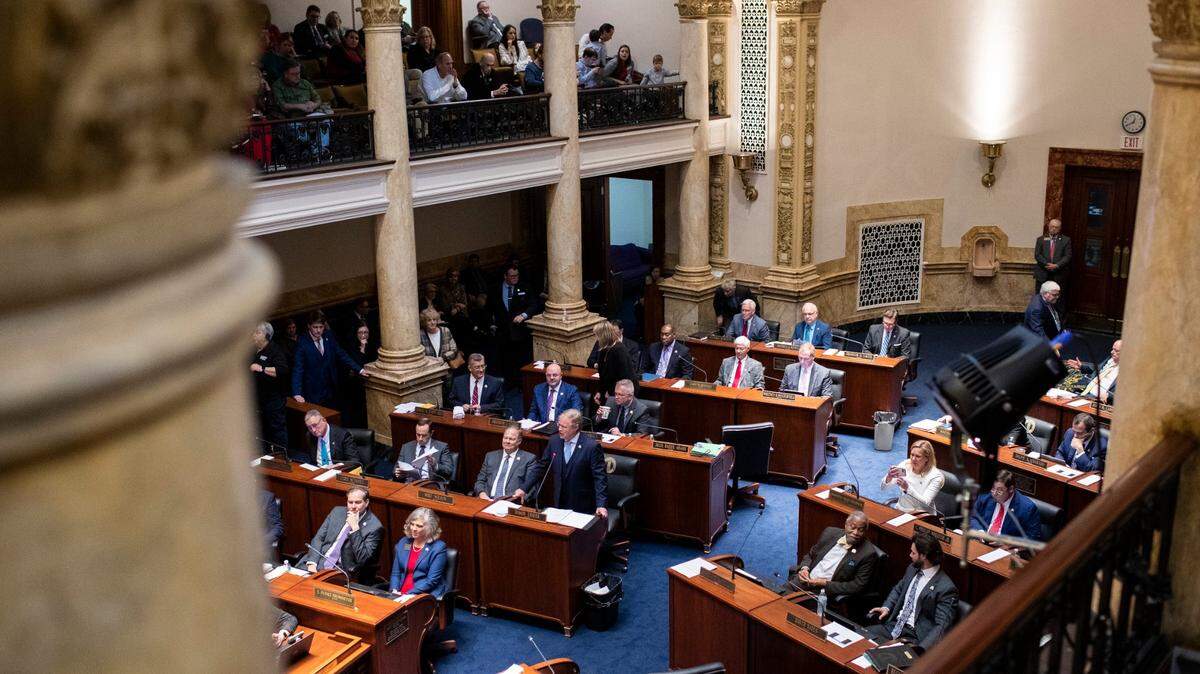
Senate Bill 299 arrived in Frankfort in late February as a “shell” bill,” merely changing some language in the parimutuel betting statutes to make it gender neutral.
But in roughly 60 hours near the end of the session, the bill sponsored by Senate Majority Leader Damon Thayer turned into a massive piece of legislation that in the words of this newspaper, created “a new standalone government corporation to handle almost all Kentucky gambling and horse racing.”
The process was hasty and secretive; the bill was rushed through both houses in the waning days of the legislature, leaving the public with few ideas about the final product. (Incidentally, many believe that Thayer, a horse racing fan who did not run for re-election this year, could end up with a role at the new Kentucky Horse Racing and Gaming Corp. that he helped create.)
But it’s a perfect example of the lack of transparency increasingly used by the General Assembly, according to the Kentucky League of Women Voters, which released its second report in two years on the legislative process titled, “How Can They Do That?”
“The League of Women Voters strongly believes that ‘we the people’ have a right to participate in the decisions that affect us,” said Janie Lindle, one of the report’s authors.
“We believe good legislation comes from public scrutiny and good discussion. When the public isn’t part of the process, you get laws that are not as useful and probably have unintended consequences because they haven’t been vetted by the public.”
The first report released last year detailed the rise in the most slippery legislative practices that shut out the public: Quickly scheduled committee meetings. shell bills filled with last-minute committee substitutes, no pre-filed bills, floor votes scheduled directly after committee votes so that public comment is shut out.
Sadly little has changed, according to the report. They’re still using the same tactics without any changes. For example, last year, the Senate filed 50 shell bills, the House 90.
Last year, legislative leaders yawned over the report, with House Speaker David Osborne calling it “a distortion,” “intellectually bankrupt” and “statistically unsound.” Republicans were peeved, apparently, that the Democrats had used the same tactics when they held power way back before 2016.
It was bad then under Democrats, it’s bad now under Republicans. This is why political supermajorities are bad for democracy — whichever party is in power has the ability to shut out the public at will. It’s faster and easier to move legislation through without a lot of pushback from concerned citizens.
The fixes could be simple: recreate the section for prefiled or working bills on the LRC website. Stop using shell bills. Require House and Senate readings to occur after committee votes so the public has more time to digest them.
Allow one full day between committee votes and floor votes for the same reason.
It’s not rocket science, as they say. It’s good government, and a political party that basically controls all outcomes except public opinion should be happy to comply.
This story was originally published November 20, 2024 at 9:50 AM.