Sober living homes seen as latest threat to Lexington’s Black neighborhoods | Opinion
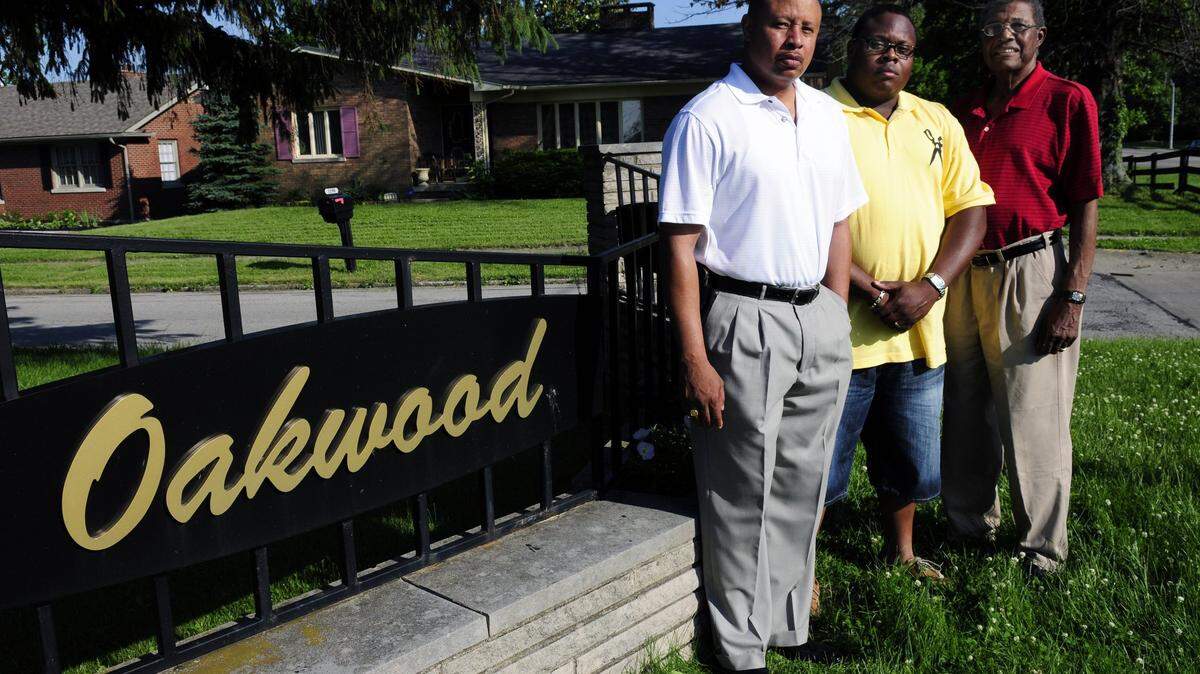
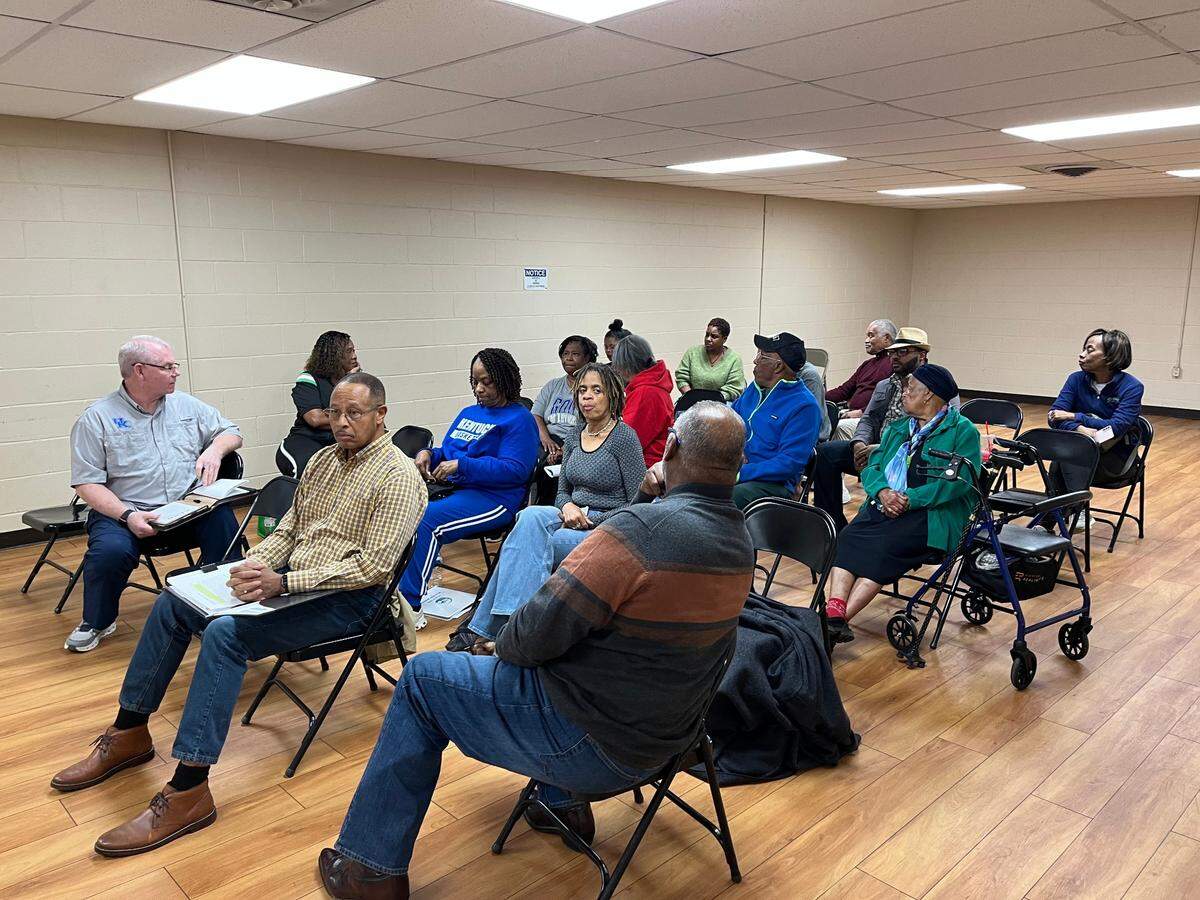
In the small concrete shelter at Oakwood Park in north Lexington on Tuesday night, a group of neighbors gathered to mobilize against a vague but looming threat.
“We saw what was happening in the surrounding neighborhoods, and it put us on high alert,” said Janice Jackson, a longtime resident of the Oakwood subdivision, the second neighborhood in the city where Black people were allowed to buy homes. “The problem is no one knows right now.”
“The problem” is sober living homes, which started as a good-faith response to help people recovering from the scourge of drug and alcohol addiction. Supported by federal law and Medicaid dollars that pay the rent, landlords can create these homes as a living space where people early in recovery can find structure and support to stay sober, find jobs and more permanent housing.
However, supervision of these homes varies widely, and if residents don’t stay sober, they can create big problems for their neighbors. Medicaid fraud has also been an issue.
Oakwood residents called the Mayor Linda Gorton’s office because it looked like a sober living house had opened at 1086 Oakwood Dr. When officials called the house’s owner, the house quickly emptied. But Oakwood residents got nervous because they kept hearing about the Highlands neighborhood just to their north.
“It’s not if something will happen,” said Rev. Leon Slatter, another longtime Oakwood resident. “It’s the certainty that something bad will happen. You’re just waiting. And this is something a lot of people don’t know is coming to their neighborhood.”
Stephanie Sobleski, treasurer and secretary of the Highlands Neighborhood Association, started seeing sober living homes pop up a year ago.
“One day there was one, then there were six, and by last November, we had 17 verifiable sober living homes in our neighborhood, and we only have 215 houses,” she said.
Two of them are next to her. Federal law forbids cities from using any zoning or planning rules to stop sober living homes from coming into a neighborhood.
“They aren’t regulated, nobody stays there, I have to call the police at least once a week, my kids can’t go outside because they’re throwing beer cans over the fence,” she said. “I’m all about second chances, but these aren’t second chances — they’re putting people in flop houses and getting the money from Medicaid.
“It makes me so upset.”
Sober living homes the latest in a series of threats

For many folks, this conversation is about much more than sober living homes. They are just another in the long series of threats against Black neighborhoods since they were created back in the 1950s and 1960s.
The importance of neighborhoods like St. Martin’s Village — Lexington’s first Black neighborhood — and Oakwood cannot be overstated. Like most places, Black Lexingtonians were routinely barred from owning homes through deed restrictions and redlining. Once allowed, the streets of brick homes created middle class stability, havens that allowed generations of families who watched over the children who played all around the streets and in the park.
Back in 2010, at an Oakwood reunion, one resident told columnist Tom Eblen: “All of the adults looked after all of the children. Everybody knew each other. Everybody helped each other.”
But as Lexington grew, the stability and future of Black Lexington neighborhoods has been challenged by gentrification, industrial development, homeless services, and higher taxes. The city put out an information sheet about sober living homes that showed almost 30% of them are in Lexington-Fayette Urban County Council Districts 1 and 2, which are predominately on the city’s north and east sides. That’s also where the vast majority of social services exist, like the Hope Center and Lexington Rescue Mission.
If some of these folks seem like NIMBYs, it’s because it’s Always In Their Back Yards.
Some Black neighborhoods are under pressure. Pralltown is being slowly erased by the housing needs of the University of Kentucky, and continues to fight against a huge student complex. St. Martin’s Village just fought off an attempt to expand a nearby mobile home park.
Yes, people understand the city needs more density inside the Urban Service Boundary, but why does it always seem to happen on the North Side and not in Chevy Chase? It’s very clear Oakwood residents feel that Lexington’s leaders have always put rural concerns above theirs, that horses were more important than Black people.
“There’s this great push for the rural way of life that’s synonymous with Lexington, while we’re ignored,” said Rep. George Brown, a former Lexington council member and current Democratic House member who attended the April 1 meeting.
Longtime Oakwood resident Jeffrey Beatty pointed out that Oakwood is hemmed in by a trucking company on one side and the new Eastern State psychiatric hospital, which overlooks the park at the back of the neighborhood.
“I’ve been in the park and seen kids run away because people are screaming over there,” he said. “How can we grow our property values like other neighborhoods do?”
New rules for new problems
Former council member Jacques Wigginton has become a facilitator with different neighborhood associations, because it’s become clear that sober living homes are popping up all across the north side.
“Most neighbors don’t become aware of an issue until it has already impacted the neighborhood,” he said. “There’s been very little public discussion of it.”
The lack of oversight of sober homes is an issue all over Kentucky. In Somerset, for example, neighborhoods have been inundated with people in recovery coming up from Tennessee to sober living homes, using Kentucky’s Medicaid dollars and food pantry resources. In 2023, the state passed a law requiring certification of all sober living homes.
Mayor Linda Gorton met with Oakwood residents in March, which prompted her to start work on the ordinance, with the help of first district councilman Tyler Morton.
“She has proposed the strongest ordinance allowed by state and federal law with the goal of keeping operators within compliance and neighborhoods safe, while also helping those in recovery,” said spokeswoman Susan Straub. “There are limits in state and federal law as to what we can do. We cannot run afoul of fair housing, anti discrimination, and ADA laws.”
Morton, who attended the April 1 meeting, said the new ordinance will be discussed April 15 at 1 p.m. during the council’s Social Services and Public Safety Committee meeting.
The ordinance does not prohibit sober living homes, but it will adopt the state law requiring certification of all of them, as well as mandate a yearly license for each one, including zoning compliance, and require notification of neighbors.
It could take several months before any new rules are passed.
Oakwood residents hope that’s not too late.
Deidra White is a poet and writer who grew up in Oakwood, when her father, Donnie, a Black attorney, moved there. They both attended the April 1 meeting and they hope the discussion can continue. But they would like to see city officials address the issue before more Black neighborhoods are overrun by sober living homes.
“These are the same people who fought Jim Crow, they fought redlining, and they’re still having to fight,” Deidra White said. “They deserve better.”
This story was originally published April 3, 2025 at 11:34 AM.