More than Man o’ War. Film highlights slice of Fayette’s forgotten history | Opinion
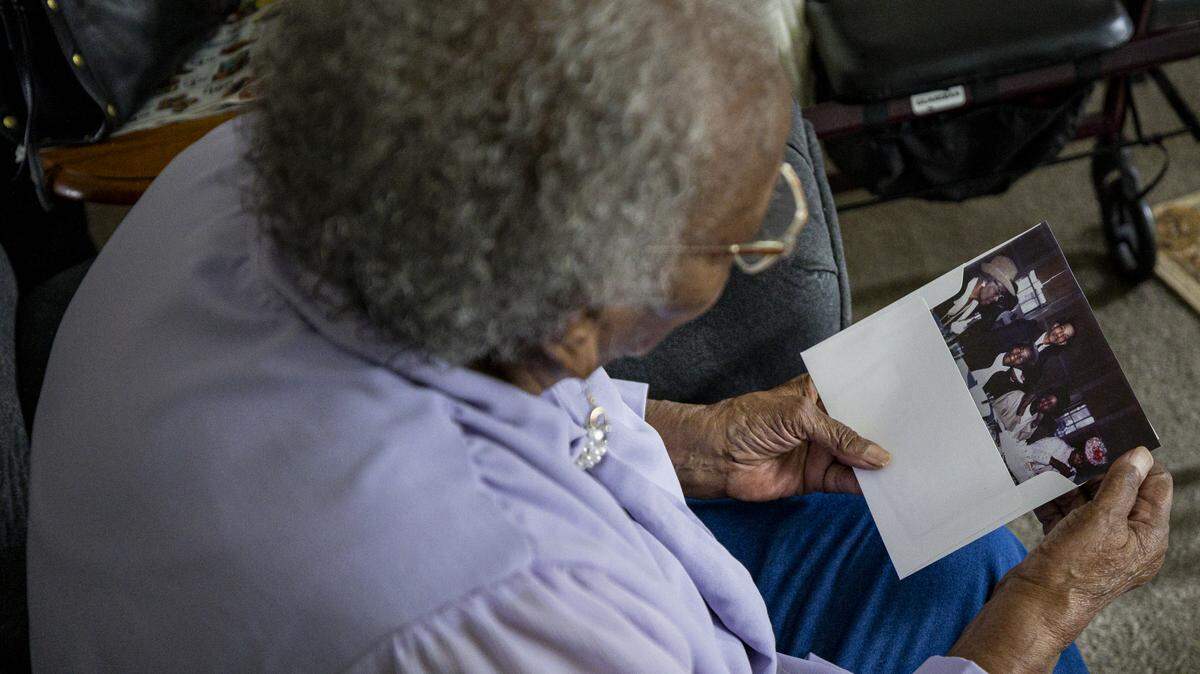
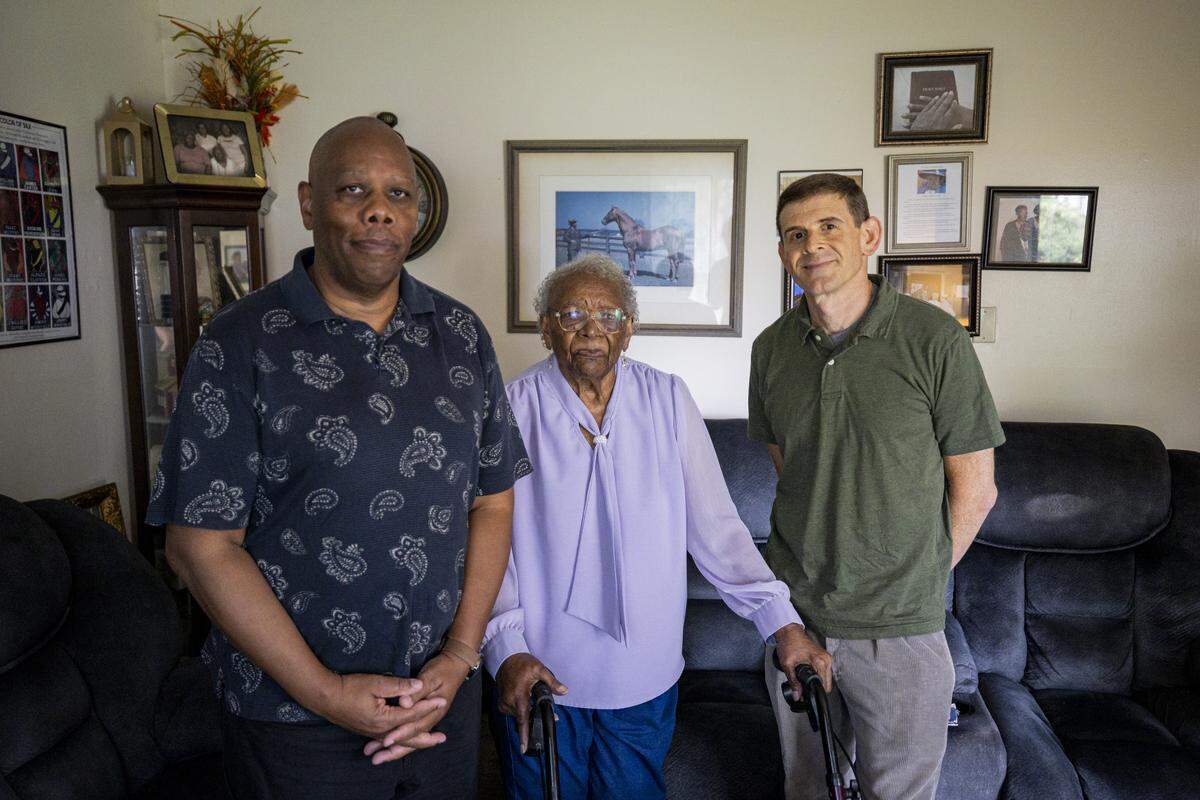
Nora Williams is now 100, and she is one of the last people alive to remember Maddoxtown at its height.
That’s back when one of the many rural Black hamlets scattered around the Bluegrass was bustling with people and activities — schools, churches, homes, people.
“I go back every Sunday,” Williams said of Maddoxtown Baptist Church on Huffman Mill Pike, where she grew up. “I don’t miss many Sundays. But it’s so different now ... fewer houses because everyone I knew moved.”
That earlier life of a bygone time is now the subject of a short film, “Ms. Nora Williams from Maddoxtown,” by documentary filmmaker Eli Scarr that will premier 3:30 p.m. on Aug. 11 at the Marksbury Family Branch of the Lexington Public Library. The film will be followed by a filmmaker talk with Scarr.
When a segment of history has been ignored for decades, there’s almost no part of it too small to examine. That’s what Williams does, simply describe life as a young Black girl in a small Black hamlet in Fayette County.
With an off-screen interviewer in local historian Yvonne Giles, she talks about the day-to-day of life: Watching her father, Cunningham Graves go off to work at Faraway Farm, going to an all-Black school in Maddoxtown, walking across the fields to the Jot ‘Em Down store, which still stands at the crossroads of Russell Cave and Ironworks.
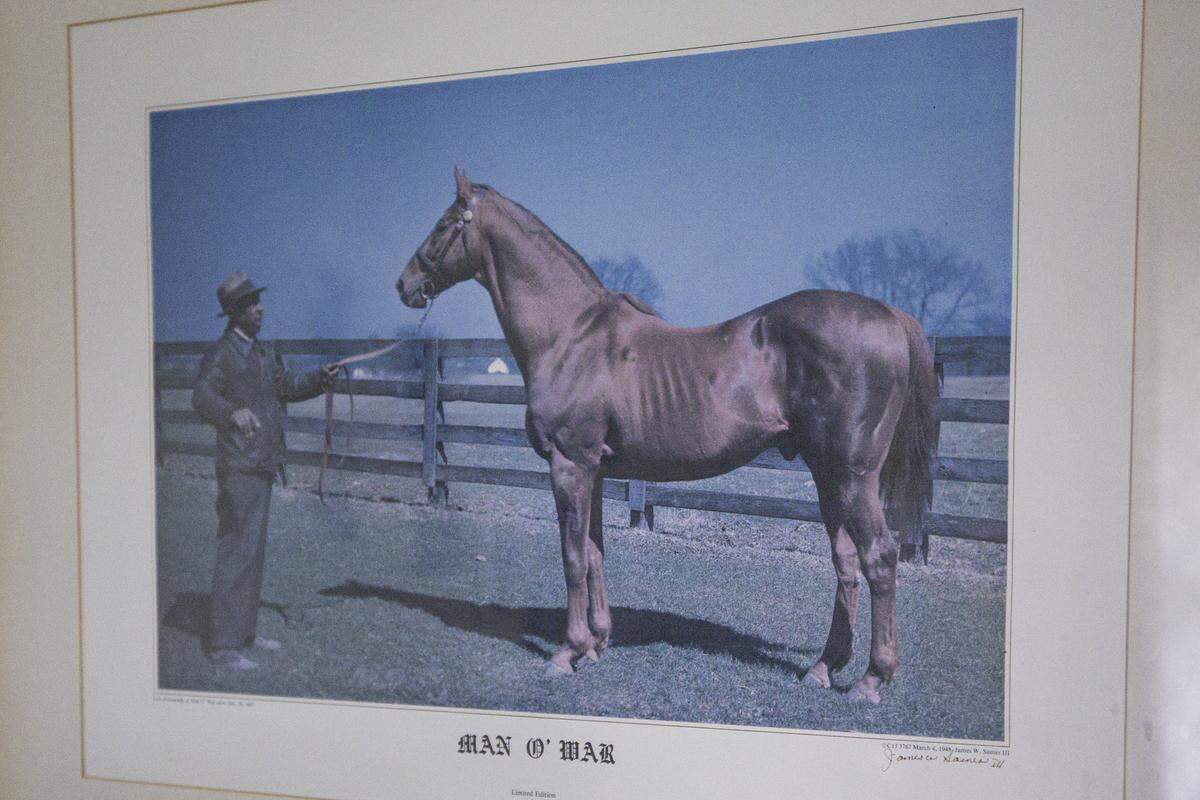
Of course, Maddoxtown has its own particular fame as the home of Will Harbut, the best-known groom of the best-known racehorse Man o’ War who lived at Faraway, which turned into Mount Brilliant Farm. But Cunningham Graves was the mighty horse’s last groom, and their joint photograph graces the wall above Williams’ sofa.
Like many of the Black hamlets, Maddoxtown was formed when a white landowner agreed to sell lots to freed slaves after the Civil War to provide labor for the horse farms all around. That meant most of the men worked with horses, a history that had been overlooked by the racing industry until the past few decades (due in part to the work of Giles).
Scarr and Giles filmed the interview with Williams in 2016. Then Scarr got to work in the archives at UK and Transy to find the many historic photos throughout the film: Jot ‘Em Down, Maddoxtown, Mount Brilliant, the Black schools.
“What interests me about her story is not limited to the connection to the horse industry,” Scarr said. “She went to Douglass school before integration, she left in 10th grade and was a caretaker for families with children, and she worked for UK.”
His first mentor, Heather Lyons, who’s now the Director of Arts and Cultural Affairs for the city of Lexington, encouraged his early filmmaking. “She encouraged me to make documentaries about everyday people, about issues not covered in mainstream media. That got me thinking about aspects of everyday life that we don’t see represented in popular culture, and how cultural awareness can help expand our perspective on our environment.”
Williams’ nephew, Kalvin Graves, is a producer on the film because he has done so much research on the family, which has been in Fayette County since 1799.
“I’m amazed at the work Eli has been doing with the history of the African-American community,” Graves said.
Scarr, Giles, and Graves are also involved with the nonprofit, A Sense of Place, which was formed to uphold the heritage of all the Black hamlets in Central Kentucky.
They are shadows of themselves. As agriculture convulsed, many inhabitants moved to town for better jobs.
That includes Nora Williams. In the 1970s, she moved into Lexington and lives in a Northside neighborhood with her daughter, Marilyn Jones. But every Sunday, she heads home.
“It’s still nice to go out there to get together,” she said.
This story was originally published August 8, 2025 at 4:00 AM.