Lexington group honors ‘Black Maestros’ who helped build horse racing | Opinion
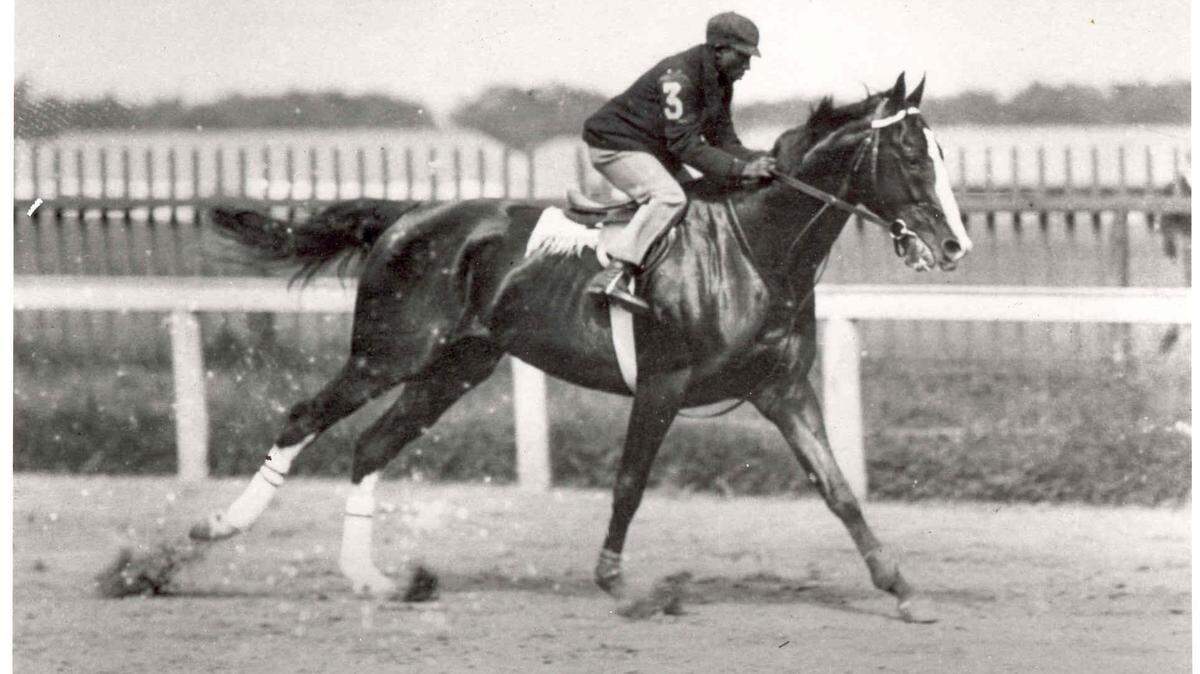
Jimmy Winkfield was the last Black jockey to win the Kentucky Derby.
He did it twice, in 1901 and 1902, and as one of his biographers, New York Times sports writer Joe Drape says, “that’s the least interesting thing about him.”
He’s right. As Drape recounts in “Black Maestro: The Epic Life of an American Legend,” Winkfield, a Lexington native, left the United States after he and all the other Black horsemen were Jim Crowed out of horse racing.
Winkfield went to Russia, where he quickly rode to the top of the racing game. When the Bolshevik Revolution broke out, he rode out with a band of 200 horses, making his way to Poland, then France, where he once again became a successful jockey and trainer.
When the Nazis arrived, he returned home to the States, where he claimed horses until he had enough money to get back to France. In 1961, he came back once more, to Louisville, to be honored by Sports Illustrated, though he was turned away at the Brown Hotel because he was Black.
“The parallel is if we don’t remember and celebrate these remarkable human stories, Black or white, or Hispanic, or Asian, then we’re missing out on an important part of our history, and what made this country what it is,” Drape said.
So Drape will be speaking in Lexington on Saturday, Aug. 16, as part of the 10th Phoenix Rising awards, which honor the many Black horsemen from Central Kentucky who helped create the horse industry and make this place the Horse Capital of the World.
Winkfield will be honored posthumously along with John Henry Buckner, the first groom of famous racehorse Man o’War, Sam Green, a farrier for 51 years, and exercise rider Jerry Nutter, who also rode for 50 years.
“These men were young, they didn’t get paid well, and the only reason they stayed is because they loved horses,” said historian Yvonne Giles, who has told us much of what we know about Kentucky’s Black horsemen.

Drape will talk about Winkfield, “Black Maestro,” and racing more generally, which he is in a position to do as the New York Times’ chief racing writer. He has spent many days in Lexington and Louisville; his examinations of drug abuse and cheating in the industry are part of what led to the Horseracing Integrity and Safety Act.
“I think it’s (HISA) working so well that horsemen are still trying to get it overturned,” Drape said.
But in terms of its history, he thinks horse racing is trying to do better by its former stars, with a race named for Winkfield in New York, and organizations like Phoenix Rising and the Ed Brown Society, which is trying to get more Black people to return to all levels of the sport.
“I think it is important to keep stories like Jimmy’s alive, and folks like Phoenix Rising are doing that,” Drape said. “Jimmy and his contemporaries were the first celebrity athletes. They paved the way for Jackie Robinson all the way to LeBron James.
“As a journalist and author, I believe that the more people who know about our past, the less likely we are to make similar mistakes in the future.”
The Phoenix Rising ceremony will be held at the Lyric Theater at 4 p.m., with Drape speaking at 5 p.m. Tickets are $15 a piece and can be purchased here: https://www.tix.com/ticket-sales/tix/3544/event/143445.