Memoir chronicles a KY writer’s addiction journey amidst the opioid crisis | Opinion
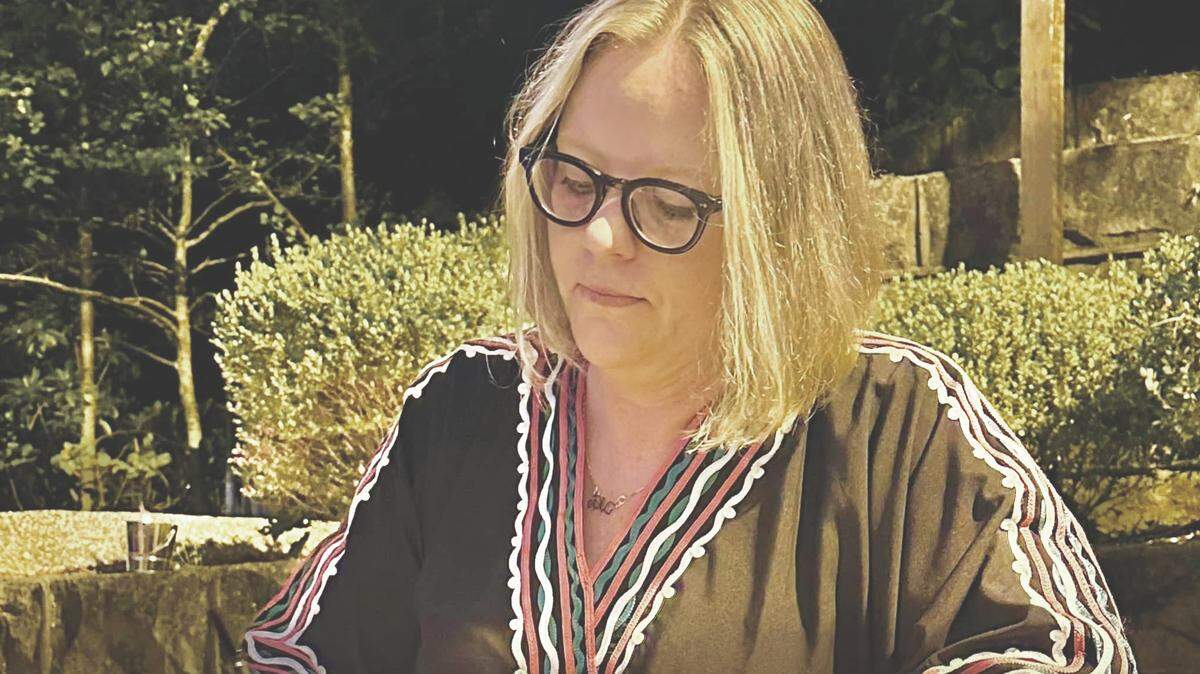
“Hale’s Branch is the safest place I have ever known ... One hundred and fifty years of Hales, my ancestors, calling this valley home. The hollow is narrow —, hillside, creek, road, and then hillside. Just enough room to carve out a house seat. It’s lush and beautiful in the summer. The creek is cool and gives relief from the sweltering Kentucky heat. Fall, with all its orange and red, cool nights, and the comfort of a warm bed. Winter is sparse and gray and makes the roadway hard to navigate. Springtime is fragrant with wildflowers and the return of wildlife. When I smell honeysuckle, I am at Hale’s Branch with Eric. I remember all the times we stopped to suck on the blooms.”
—Mandi Fugate Sheffel, “The Nature of Pain: Roots, Recovery and Redemption Amid the Opioid Crisis”
By 2013, Mandi Fugate Sheffel was already sober.
But the journey took her and her best friend and cousin Eric deep into Eastern Kentucky’s opioid crisis, and ended on a cold January night after Eric’s body was found.
She started writing to remember her constant companion.
“It was grief processing for me,” Sheffel said in a recent interview. “It was the fear that I would forget my memories of him. I would have flashes of memory and write them down.”
In “The Nature of Pain,” Sheffel describes her childhood in Red Fox in Knott County, surrounded by the beauty of the mountains, the warmth of family and the pain of generational trauma. She and Eric shared that, Sheffel writes, leaving them open and vulnerable to drugs and alcohol, and the scourge that later became known as the opioid crisis.
“When I had drugs, I didn’t need anyone else,” Sheffel writes.
“The social skills I lacked didn’t matter. Everything I feared disappeared. The inability to make connections was gone. The fear of abandonment was gone. The sense that nobody would ever understand me was gone. This is what I tried to escape. This is what I sought.”
Sheffel grew up with her single mother, a detached dad, and a patchwork of family and friends who provided care and chaos. Her fleshed-out memories of childhood, middle school, high school, long summers, always included Eric, her best playmate and co-conspirator.
“Wild nights surrounded us our whole lives,” she writes. “The adults went on singing, drinking, and smoking and we went on watching, learning, and listening. Eric and I talked about our future plans as if we weren’t scheming how to sneak a beer.”
Sheffel was still a straight A student, who made it to the University of Pikeville, and a few other schools before things really started to unravel. Eric unraveled too, just as OxyContin started flooding the mountains.
Her first person descriptions of addiction and recovery are some of the most compelling I’ve ever read. Sadly, Eric did not join her on the second part of the trip. That’s what makes the memoir equal parts tragic and inspirational.
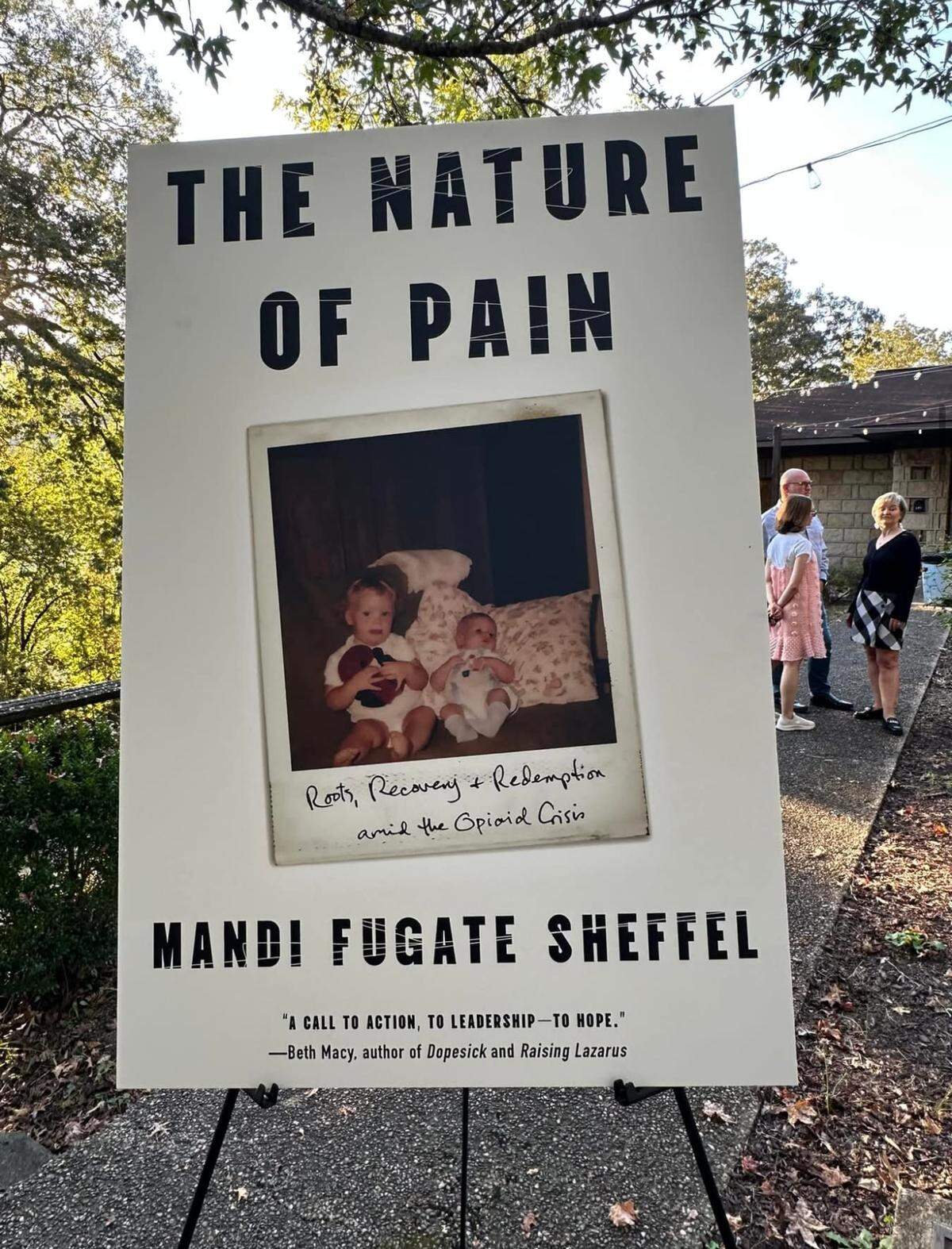
“It is tragic, and there is a lot of grief and heartache,” she told me. “I didn’t want it to be a redemption story ... I didn’t want it to have a neat, tidy ending. I still have to stay vigilant in my recovery, I still have to walk with that grief.”
As she started to keep Eric alive through writing, Sheffel found her home, in part, at the Appalachian Writers’ Workshop at the Hindman Settlement School. That’s where Sheffel was workshopping part of her memoir in 2022. Sitting in the room was Abby Freeland of the University Press of Kentucky.
By Wednesday, July 28, she’d been offered her a contract.
But that night, massive floods hit Eastern Kentucky, decimating Hindman and Hazard, where Sheffel now lives and runs the Read Spotted Newt bookstore.
“So that was an emotional roller coaster of 24 hours,” she said. “It put the book on hold, because they knew I was on the ground doing mutual aid work. We didn’t talk about the book until early 2023.”
Now it seems incredible to her that she will be doing a tour around the state with the book. It started with a launch party in Hazard earlier this week. On Thursday, Oct. 9, she will be in Lexington at Joseph Beth Booksellers in conversation with author Silas House.
As life cycles around, Sheffel is back in Hale’s Branch in Knott County, restoring the cabin first built by her forebears in 1897, which has become her writing studio. As to the most obvious question of what she will write next, she’s not sure. Maybe fiction, maybe more on the generational trauma of her family and how it’s passed down.
“This book was born of grief. But it’s also important for me that a lot of people have responded to the large focus on addiction in this book because so many people have been impacted,” she said. “We’re 30 years in, and we’ve lost empathy for people battling substance use disorder.
“If this book does nothing else, as people read it and they understand the relationship how we were raised, I hope it restores empathy in people in dealing with people in their communities or loved ones battling this disease.”
This story was originally published October 7, 2025 at 1:37 PM.