Latinos have shaped US horse racing at every level. Keeneland now tells the story
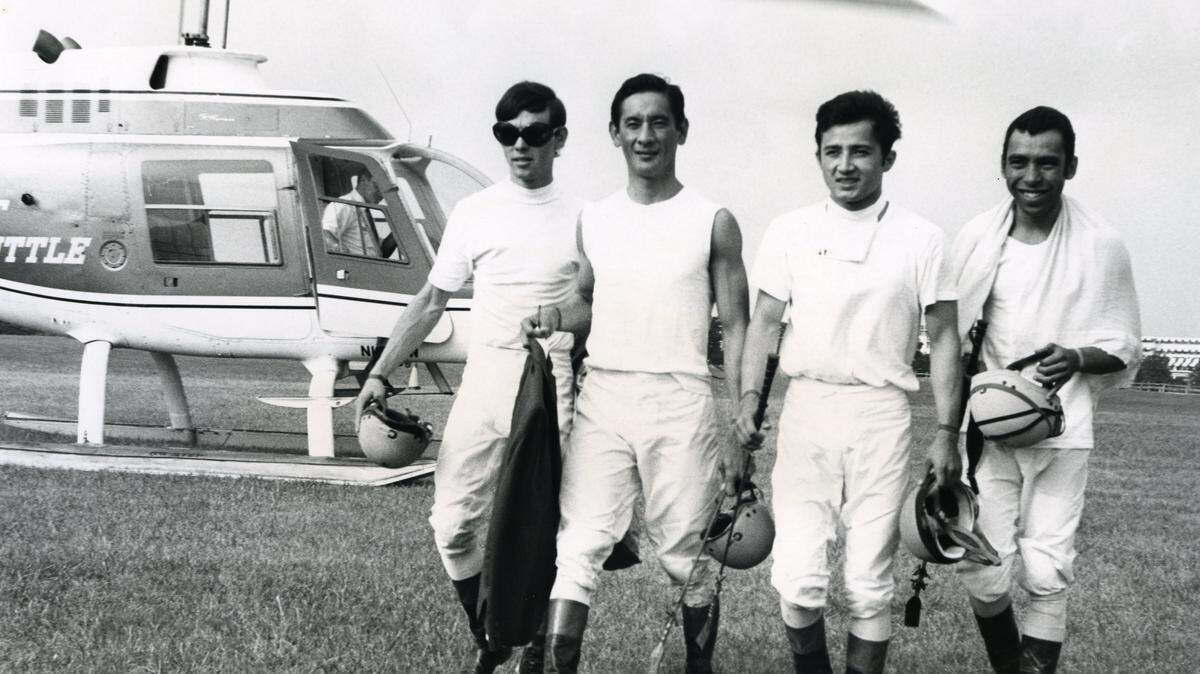
If you follow horse racing at all, you’ve probably heard of Laffit Pincay Jr., the Panamanian jockey who once held the record for the most races ever won. Or perhaps some of today’s superstars, like Joel Rosario, who came from the Dominican Republic or Irad and Jose Ortiz, the Puerto Rican brothers, who’ve swept North American racing.
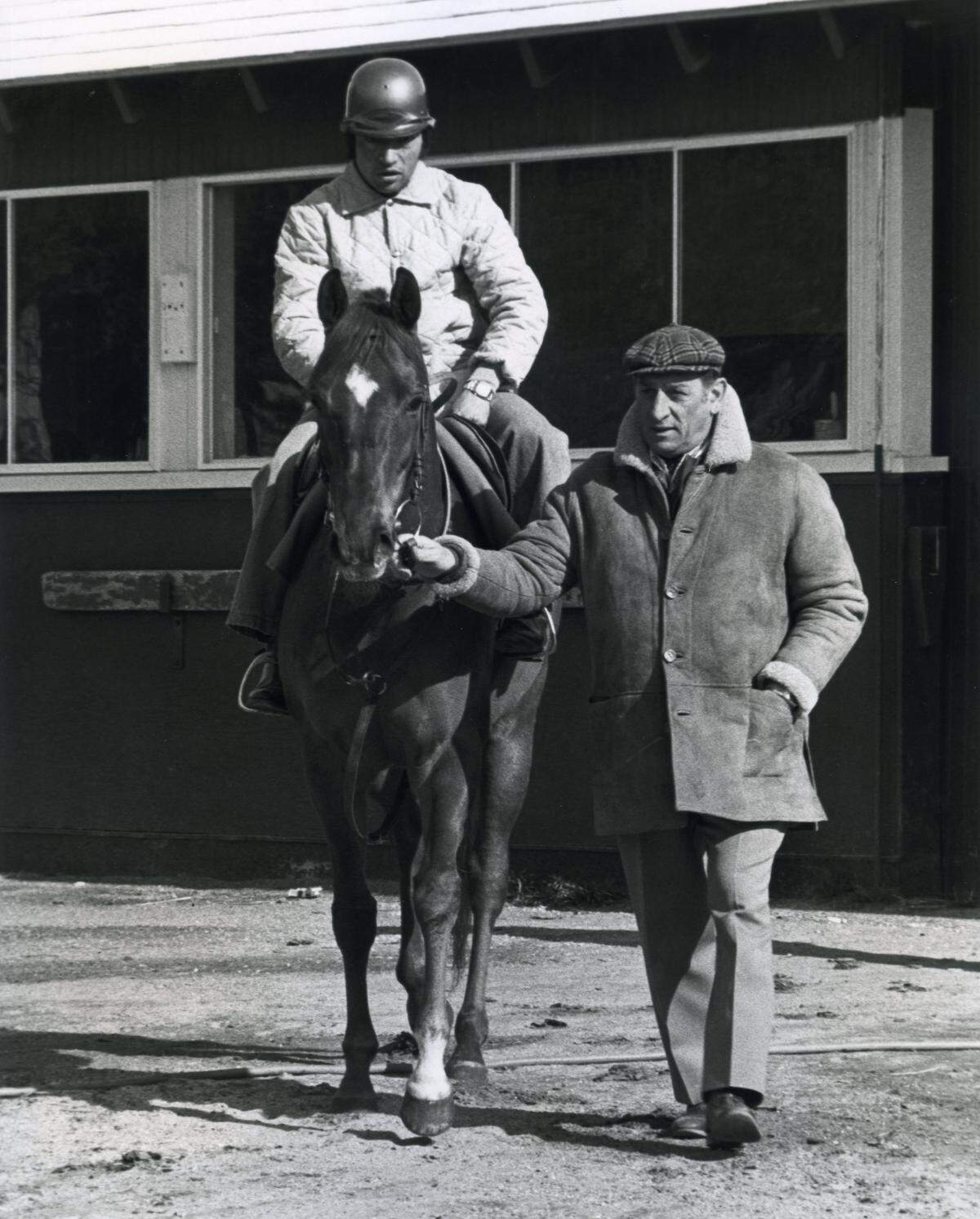
But what about Juan Arias, who trained Cannonero II in 1971 to victories in the Kentucky Derby and Preakness? Or Hector Palma who became a legend in California training circles? Or Ignacio Correas IV, whose family bred racehorses in Argentina starting in 1872?
The roots of Latino people and cultures in North American Thoroughbred racing are old, deep and widespread, as evidenced in a new exhibit at the Keeneland Library “Raices: The Making of Latino Legacies in Racing.”
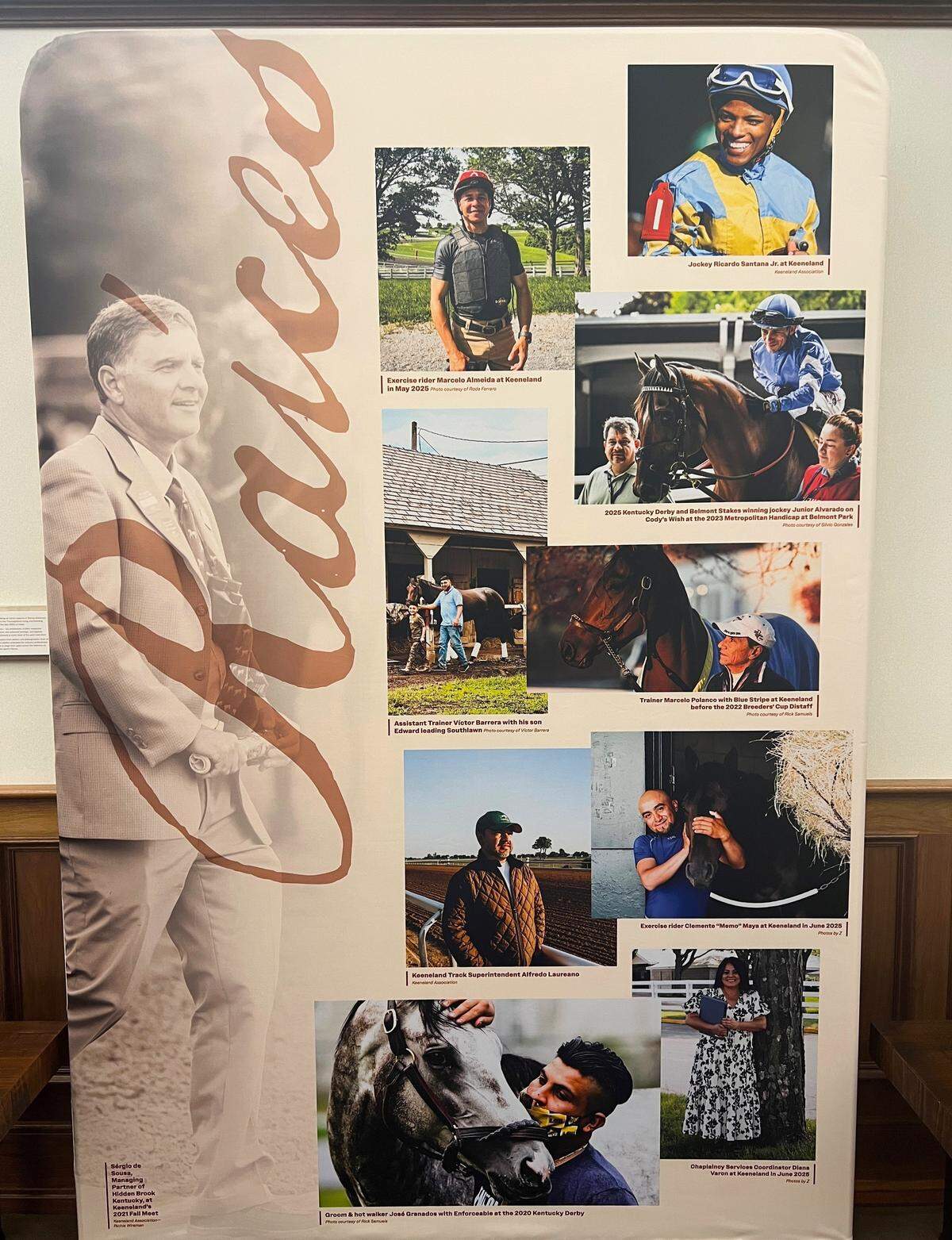
Fresh off the success of “The Heart of the Turf: Racing’s Black Pioneers,” Library Director Roda Ferraro has turned to another lesser known facet of Kentucky’s signature industry. Raices, or roots in Spanish, shows, in photographs, panels and art, how every level of racing from hotwalkers, grooms, and announcers to breeders, owners, trainers and jockeys has been shaped by Latino men and women for many decades.
“As a library, it’s imperative for us to dig through our collections and tell underrepresented stories,” Ferraro said. “And this was a way to do it. It’s nuanced, it’s complex, and there’s a multi-generational narrative to much of this.”
The history is complex and interesting. After World War II, Latin American countries started building race tracks, but many places had a horse industry long before that. In 1868 in Argentina, for example, the farm Haras Ojo de Agua began by importing Thoroughbreds from England, and by 1914 covered 6,000 acres and was considered the biggest Thoroughbred breeding farm in the world.
Many of the jockeys who came here were trained at famed jockey schools, like the Escuela Vocacional Hípica Agustín Mercado Reverón, which produced jockeys like Angel Cordero and the Ortiz brothers.
Ferraro said that racing, like many industries, tracks the immigration history of our country. As she and other historians have documented, Black jockeys, trainers and grooms populated tracks through the early 1900s. Then you see a surge of Irish names, then German and Italian, and, today, the backbone of the industry is largely Latino.
The exhibit quotes Mexican trainer Fausto Gutierrez who said “I don’t think there’s a horse running in the United States who hasn’t been trained by or cared for by a Latino.”
That, in turn, brings up interesting questions we’re grappling with as a nation right now, but in a kinder, gentler way.
Ferraro says the exhibit can serve as a “conversation starter as to larger immigration trends and patterns and what that means for us and internationally. This is a global topic and always has been.”
The exhibit — which was partially funded from a 250Lex grant and a sponsorship from Safari Susan Naylor of North Farm — will be up through the winter. But its physical shape of large, lightweight panels will also allow it to travel to classrooms, libraries and communities throughout Kentucky. The printed text is in English, with an audio guide in Spanish. Ferraro worked with a host of writers, editors, translators and photographers for the entire show.

Part of the exhibit also features digital photographs and art from local artists reflecting on the Latino presence at Kentucky tracks and farms. The actual art is now at UK’s W.T. Young Library as “Hispanics: The Heartbeat of Kentucky’s Equine Industry.”
The two exhibits together “are supremely important because they highlight not just the deep contributions of the Latino community, but the power of working together,” said artist and organizer Gloria Artehaga. “They powerfully demonstrate that Latino immigrants and American people have worked hand-in-hand, creating and growing together for generations. This incredible collaboration is what truly improves the equine business, makes the Thoroughbred industry world-class, and strengthens the entire Bluegrass community, proving that diverse cultures working in unity are the strongest foundation for our shared success.”
The Keeneland Library is free and open to the public from 8:30 a.m. to 4:30 p.m. Go to www.keeneland.com/keeneland-library/raices-making-latino-legacies-racing for more information.