This KY farmland was the setting for a bestseller. Now it will honor the author’s legacy
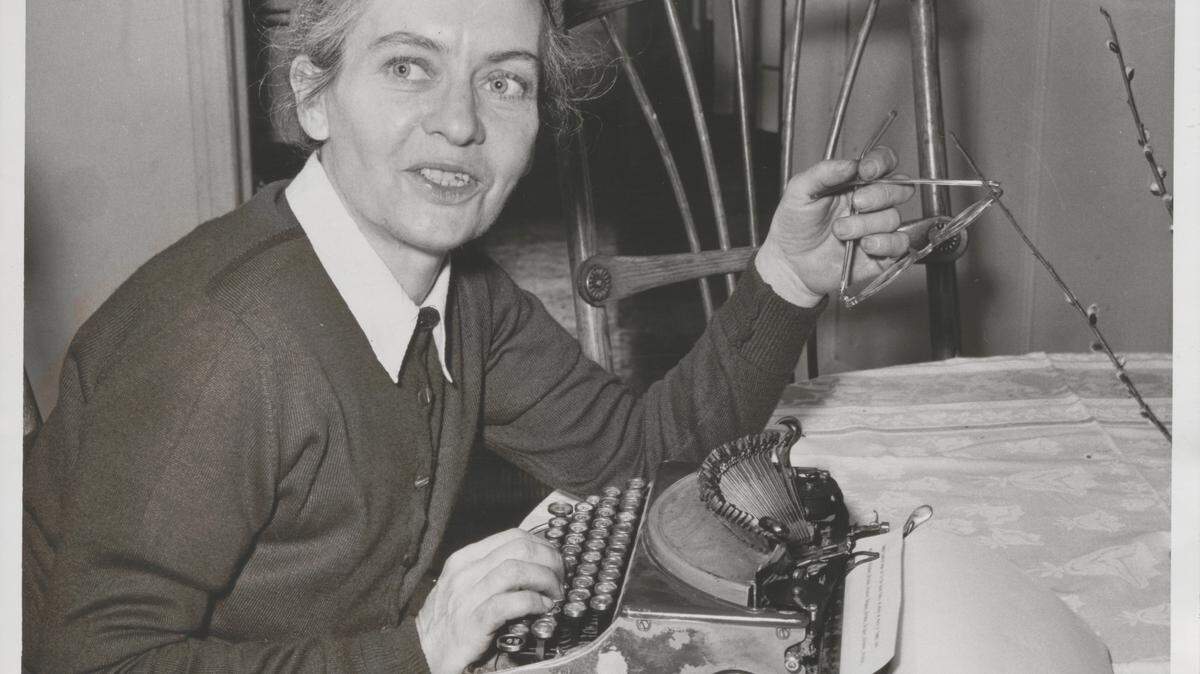
Harriette Simpson Arnow, the Kentucky writer who chronicled the Appalachian diaspora in novels like “The Dollmaker,” grew up in Pulaski County, and used its wooded hills and lush riversheds in vivid contrast to the industrialized north.
In 1939, she and her husband, Harold, bought 139 acres on the Cumberland River near Burnside, with hopes of becoming subsistence farmers who wrote on the side. It was too hard, and they moved up to Detroit to find more stable work. But they always held onto the farm, and both of them were buried in the family cemetery there.
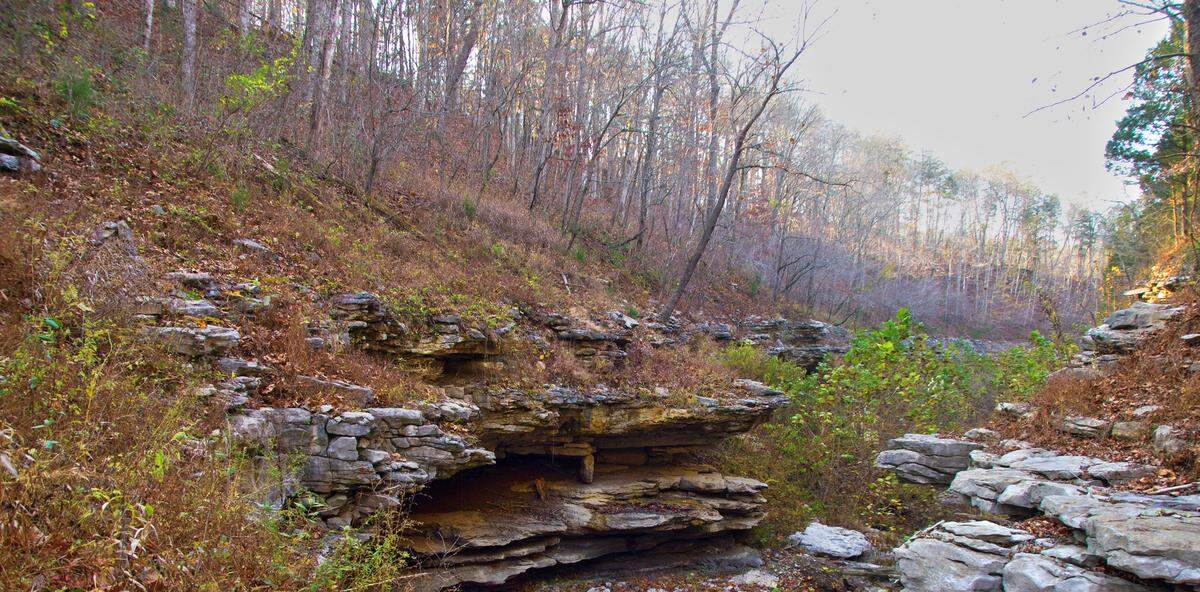
Now, Arnow’s family and the Kentucky Natural Lands Trust have announced the farm will be a memorial to her work for all time as the Arnow Woodland Preserve.
“Our family has owned this property for almost 90 years, had let it turn from a farm to a forest, and were fierce about wanting to protect it,” said Pat Arnow, Harriette Arnow’s niece, who inherited it from the Arnows’ daughter, Marcella. “I like the idea of having it be the Arnow Preserve — I want her legacy to be honored too.”
Pat Arnow now lives in New York City with her husband Steven Giles, who is a Louisville native; they spent many years working in Tennessee and North Carolina, where Arnow’s work was appreciated, she said. She’s been working on the KNLT project since 2011; former director Hugh Archer helped the Arnows get a National Resource Conservation Service Healthy Forest Reserve easement. In December she donated the land to KNLT, helping put the organization over the milestone of saving 64,000 acres of wildlands since 1995.
“We’re grateful for Pat and Steve for their partnership and commitment to conservation,” said Greg Abernathy, Kentucky Natural Lands Trust executive director.
The land was the setting of “Hunter’s Horn,” Harriette Arnow’s 1949 novel, that was a best-seller at the time. In 1954, she published “The Dollmaker,” which Joyce Carol Oates called “our most unpretentious American masterpiece.” In 1984, it was made into a television movie starring Jane Fonda.
In later years, her niece said, she would come down to visit the farm as she researched “Seedtime on the Cumberland,” and “Flowering on the Cumberland,” which were histories of Appalachian settlement based on historical records Harriette Arnow researched.
Author and UK professor Erik Reece said he loves teaching “Hunter’s Horn,” because of its rural Kentucky setting.
“It really is a book so grounded in the land,” Reece said. “Harriette was sensitive to the landscape and what industrialization does to it. It’s a perfect place for KNLT to come in and do that kind of preservation.”
Pat Arnow has also spent a lot of time on the property, and loved exploring the caves and creeks, especially in the spring when wildflowers bloomed everywhere.
“Besides my family asking me to get this preserved, the issues of climate change really distress me,” she said. “Having this 139 acres will contribute to keeping the flora and fauna alive, and that means a lot to me.”
But she also hopes it will keep Arnow’s legacy alive.

“I think Harriette Arnow means a lot to many people in Kentucky who would not feel like their voices are important or that they would have stories to tell,” she said. “She’s been an inspiration to artists around the region — that someone can talk about their own really modest part of the world.
“I’ve had a lot of people tell me how much it meant to them to read this literature where they could identify with these characters and know who these people were.”
This story was originally published February 16, 2026 at 5:30 AM.