With Lewis Clarke, Lexington’s Underground Railroad history gets richer | Opinion
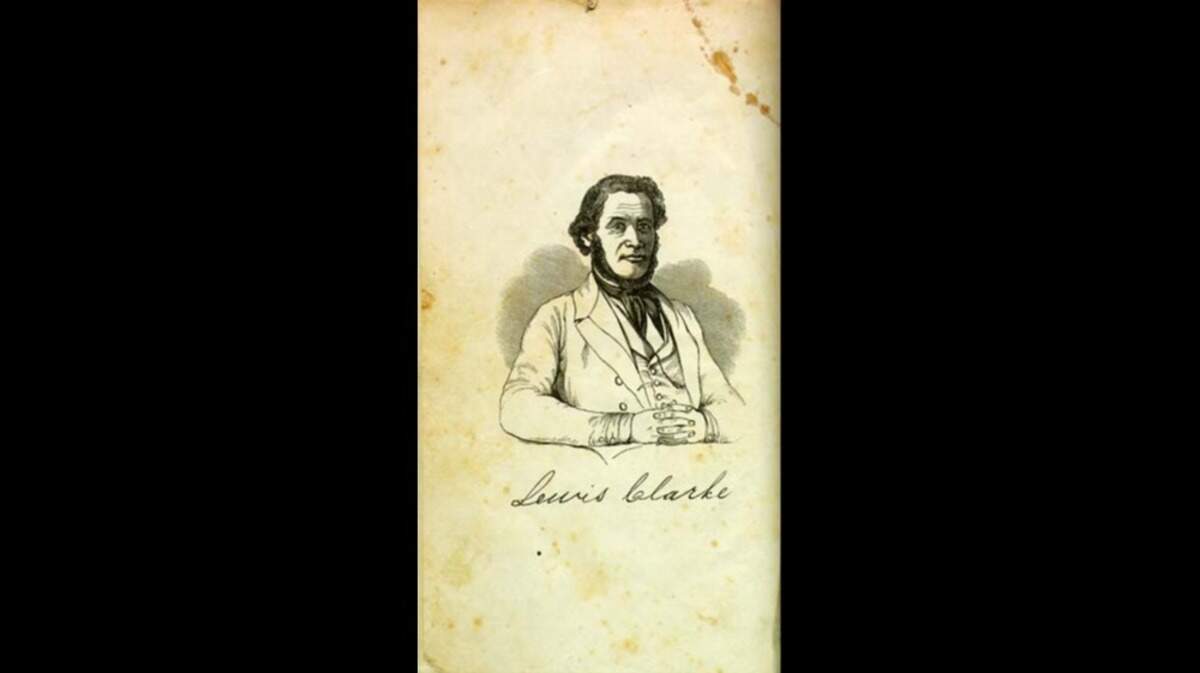
Lewis Garrard Clarke was born into slavery in Madison County in 1812, a few miles outside of Richmond. In 1841, he escaped, making his way up North Limestone to Maysville, where he crossed into Ohio, and then on to true freedom in Canada.
He later made a daring rescue back to Kentucky to get one of his brothers to freedom as well.
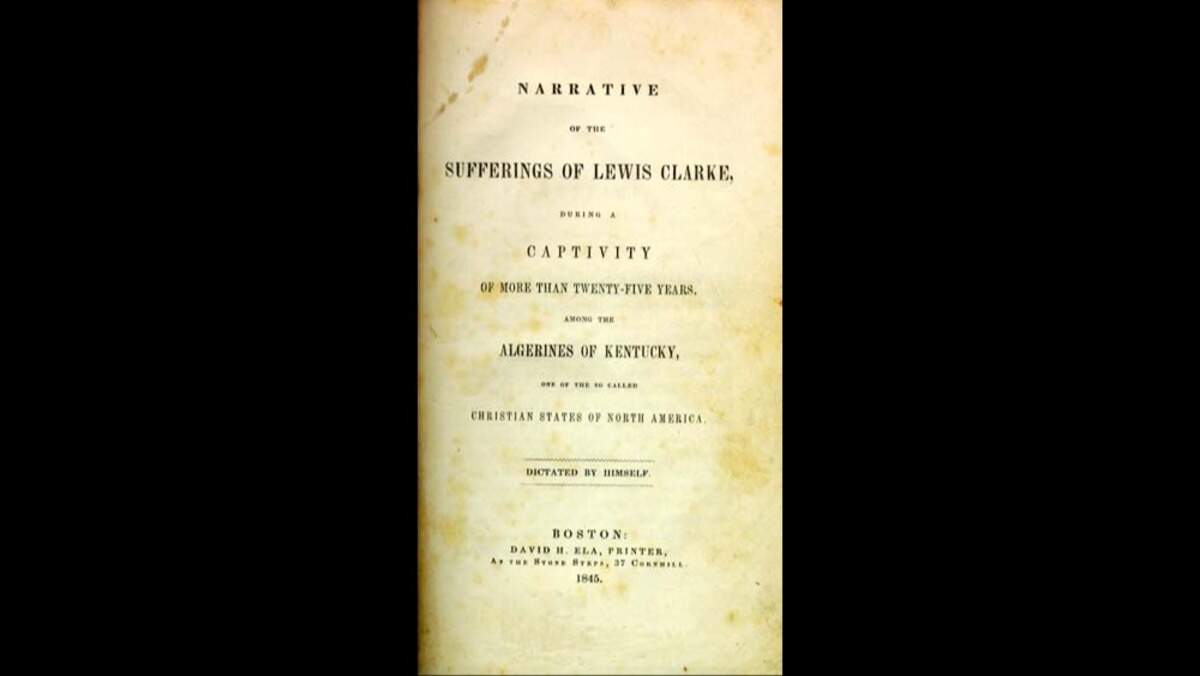
All of this is recounted in a stirring memoir that he wrote in 1845 called “Narrative of the Sufferings of Lewis Clarke, During a Captivity of More Than Twenty-Five Years, Among the Algerines of Kentucky, One of the So Called Christian States of North America, Dictated by Himself” (He used the word Algerines as a derisive reference to Barbary pirates who captured and sold slaves around North Africa).
Clarke traveled through the north, lecturing on the evils of slavery. Eventually, he met Harriet Beecher Stowe, who is said to have based the character George Harris on Clarke in “Uncle Tom’s Cabin.”
But then, at the end of his life, Clarke returned home to Kentucky, finding a home at Historic St. Paul African Methodist Episcopal Church on Upper Street — the same place he may have taken shelter on the Underground Railroad as he escaped. Built in 1826, the church has a tiny hidden stairway that leads to a tiny room where people could hide as they made their way north.
“It was the only known station in this town at the time,” said St. Paul historian Priscilla Sullivan. “So we’re pretty sure he was here.”
February is Black History Month, and St. Paul AME has a lot to celebrate, including its official designation by the National Park Service as part of the Underground Railroad Network to Freedom. On Saturday, Feb. 21, the church is holding a special event with Clarke’s great-grandson, Carver C. Gayton, the founding director of the Northwest Africa American Museum in Seattle.
The church doors open at 3 p.m., and the program begins at 4 p.m. It’s free and open to the public.
Last year, the church received $140,000 from the African American Cultural Heritage Action Fund, a program from the National Trust for Historic Preservation that is headed by Paducah native and UK graduate Brent Leggs. The money was given to the church to stabilize the staircase to the hidden room and doorway in the back of the church.
A terrifying road to freedom
Clarke’s narrative is heart-rending and terrifying, as he recounts both the horror of chattel slavery — especially after he was taken away from his family —and the fear of being caught once he made it across the Ohio River.
“All my severe labor, bitter and cruel punishments for these ten years of captivity with this *** family, all these were as nothing to the sufferings experienced by being separated from my mother, brothers and sisters; the same things, with them near to sympathize with me, to hear my story of sorrow, would have been comparatively tolerable …,“ he wrote. “My thoughts continually by day and my dreams by night were of mother and home, and the horror experienced in the morning, when I awoke and beheld it was a dream, is beyond the power of language to describe.”
His story may be less well-known here compared to his fellow escapee, Lewis Hayden, who made it north in 1844 with his wife and son, and also became a lecturer on the abolitionist circuit in the north. Last year, a monument to Lewis and Harriet Hayden was unveiled a few blocks away from St. Paul AME at the Lexington Middle School. A plaza around the statue that’s dedicated to the Underground Railroad is being planned. Clarke and his brothers’ names will be included there.
Historian Yvonne Giles says Clarke’s narrative is one of the best she’s ever read because of its specificity.
“Most of them are so vague about their lives and how they managed to escape,” Giles said. ”The fact he knew his genealogy, how the family got split up, and his personal treatment — to me, it’s one of the most thoroughly documented narratives in history.”
Clarke’s return to Lexington after the Civil War was celebrated in ways he might not have expected. He spoke at St. Paul AME in 1892, according to Sullivan. When he died in 1897, his body lay in state at the Opera House under the order of Gov. William Bradley. He was later buried in Oberlin, Ohio, where he had lived at various times in his life.
The story of people like Clarke, Hayden and St. Paul AME is crucial at a time when state and federal politicians are trying to suppress the story of our nation by tearing down historic placards about slavery, or censoring academics who teach the concepts of America’s original sin.
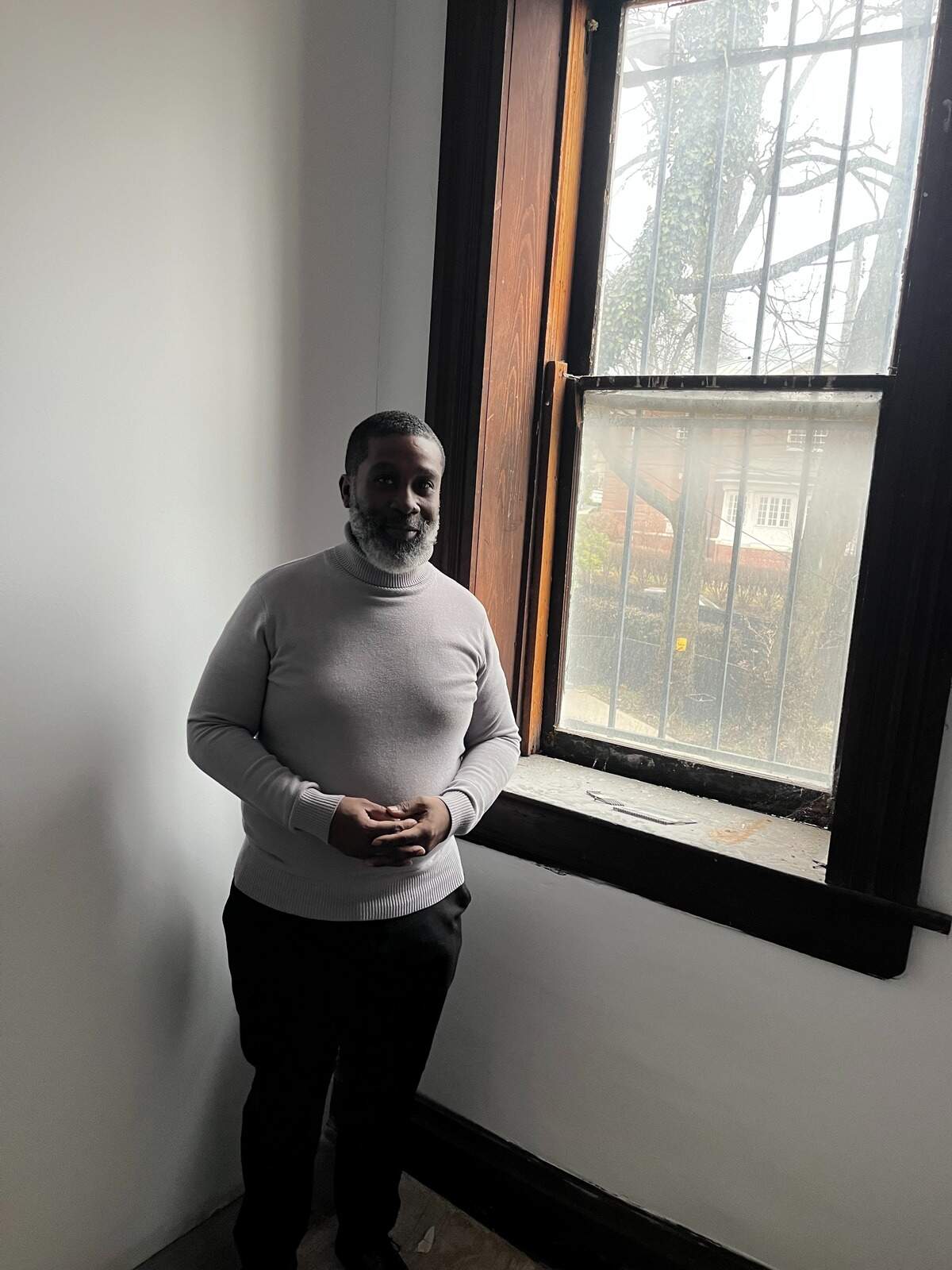
That’s why it’s even more important to discuss, said Rev. Walter Henry, the pastor of St. Paul AME.
“We are only asking this country to acknowledge the heinous reality of antebellum chattel slavery,” he said. “It’s what Dietrich Bonhoeffer talked about, ‘cheap grace,’ the idea of forgiveness without repentance.”
This story was originally published February 20, 2026 at 1:00 PM.