Please put down the pitchforks in Chevy Chase. We need more recovery, not less | Opinion
Chevy Chase is a vibrant neighborhood in the middle of our fair city, full of beautiful old houses and busy shopping areas.
The actual Chevy Chase boundaries hew closely to the Christ the King Cathedral, but most people think of it as a larger sprawl throughout the tony 40502 zip code, incorporating upscale places like Ashland Park and Mt. Vernon.
Still, Chevy Chase is like all the neighborhoods in Lexington. It has restaurants, churches, schools and children. It has rich people and poor people and everyone in between. Lovely people live there, and mean ones too. There are happy families and families torn apart by divorce. There are people suffering from sadness, anxiety and mental illness. There are people who are addicted to drugs and alcohol. There are people who need recovery, some who have found it, and some for whom recovery is too late.
That’s why this whole uproar over a proposal to put a mental health center on Duke Road is so distressing — the hateful, visceral reaction to something that affects us all. The melodramatic video “Chevy Chase Deserves Better,” with its shots of syringes contrasted with a happy family (St. Bernard in tow, natch) has sent people right out of their minds.
But that’s where we live these days: reaction over deliberation. Although the site is currently being used for behavioral health, the idea of a residential behavioral health center alarmed residents to the point of virtual pitchforks.
Zoning is complicated
Of course, the reality is more nuanced. The company that wants to operate this facility, Roaring Brook, did not make any mention of drug rehabilitation in the plans it filed to the city. However, the permit they are applying for would legally allow such services from this company or any other future property owners if their effort succeeds (the group needs approval from the Board of Adjustment, which meets April 13).
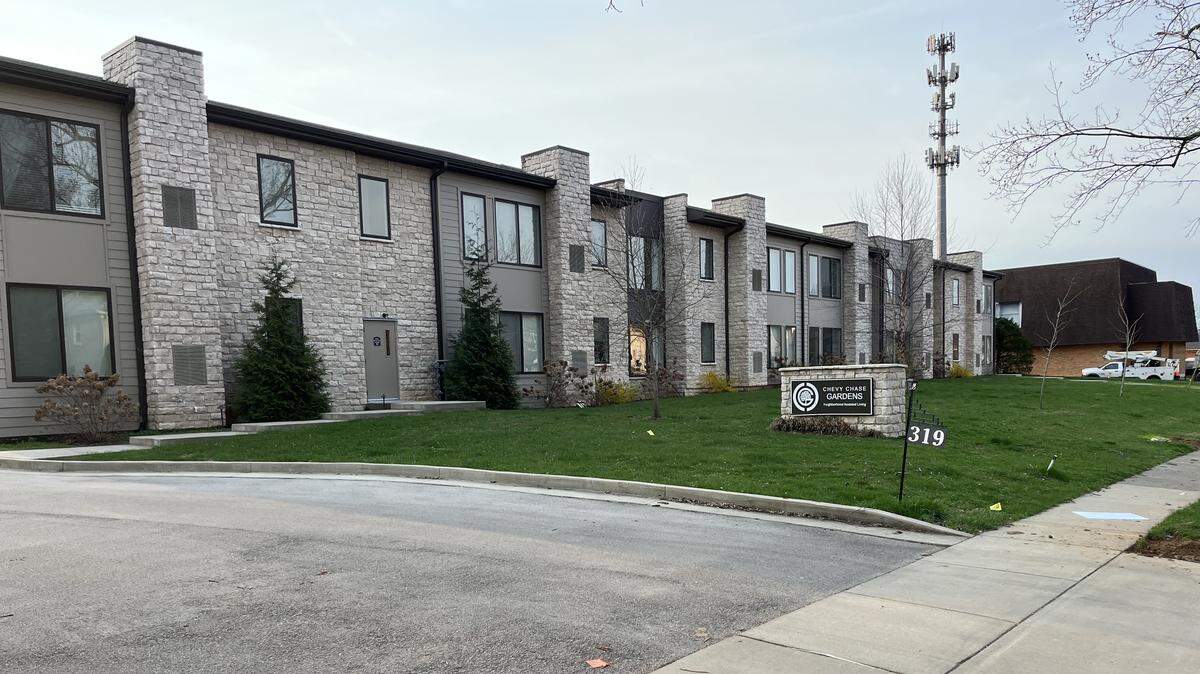
The CEO of Roaring Brook told my colleague, Adrian Paul Bryant, that the building at 319 Duke Road would be a residential mental health and eating disorder treatment program.
“It is a voluntary, medically supervised program for commercially insured and private-pay adults who are choosing to get help for conditions like depression, anxiety, trauma, and eating disorders,” said Roaring Brook CEO Victor Rivera.
Patients would have to be referred to the site from a physician, a state guardianship or some other entity. It’s not the Hope Center, it would not provide walk-in services or be a homeless shelter. Rivera said patients are screened to ensure they are psychiatrically stable and do not pose a safety threat to themselves or others.
It’s especially confusing because the company that currently sits in that 24-unit building, Harbor Behavioral Health, says it offers psychiatric rehabilitation for mental illnesses.
So it sounds like it’s doing much the same thing.
But Harbor Behavioral Health is currently operating under conditional use for a “personal care facility,” which according to city ordinance is “a long-term facility with resident beds, devoted primarily to the care of aged or invalid persons who do not require the level of intensive care normally provided in a hospital or nursing home; but who do require care in excess of room, board and laundry.”
In their application for that permit, which was granted in 2023, the Harbor officials wrote: “the residents may come from hospital discharges, state guardianship or other sources. Residents do not need in-patient care but do need assistance for daily living. They cannot stay at hospitals and take up beds and Kentucky’s medical resources. We will have 24/7 staff on-site providing the personal care services in accordance with all (Office of the Inspector General) and Kentucky Occupational Safety & Health requirements to ensure the safety and wellbeing of our residents and those within the general vicinity of the campus.“
The city defines conditional use for a “Rehabilitation Home” as “providing a supervised residence for persons recovering from the effects of drug or alcohol abuse, psychiatric disorders, or as a condition of their parole or probation. Such homes may provide counseling in educational, vocational, or other areas by a paid or volunteer staff and generally have 24-hour-a-day supervision.”
The building was originally constructed as an assisted living facility, but because of COVID-19, it never opened.
Harbor Behavioral Health officials did not return a call for comment. According to the secretary of state’s business listings, its registered agent is Nathaniel Murray, who is also the registered agent for Wild Health, the business that developed city-wide COVID testing during the pandemic. Wild Health did not respond to requests for comment either.
Lexington’s director of planning, Jim Duncan, said 319 Duke Road is zoned R3, which is medium-density, mixed residential development, but is near B1 zones, such as Wheeler’s Pharmacy and new Publix grocery under construction.
“If this were in a professional office zone, you wouldn’t have this level of review,” Duncan said. “It would be more fluid about moving from one health care use to another. The scrutiny is much greater in the residential zones.”
More treatment, not less
It’s true that if Roaring Brook gets its conditional use permit, it could then operate a drug treatment program. But that would make neighbors really mad, which is not what a new business needs.
That’s too bad, in a way, because Kentucky needs more treatment programs, all kinds of them, even upscale ones. So instead of people leaving the state for Hazelden Betty Ford centers, they could stay closer to home.
And have the neighbors thought about the benefits their community could provide to those in recovery? As people get better, it’s extremely useful to be near churches and groceries and post offices.
Maybe people in Chevy Chase want to imagine their neighborhood is not full of people who struggle with alcohol, drugs, anxiety, eating disorders and the like. But we all know they do, just like those in any other neighborhood. If it opens, this place won’t harm your children, this place will be FOR whichever of your children have to fight these demons, too.
And when they do, I hope they are embraced by the wonderful, caring community most of us want to live in. Maybe we can think about being the helpers, rather than naysayers. And maybe we can start listening and learning before all the yelling begins.