He helped inspire ‘The Hustler.’ Could DNA evidence help Lexington police solve his murder?
In Walter Tevis’ novel, “The Color of Money,” the dedication says: “To Toby Kavanaugh, who taught me how to play pool.”
Those pool lessons happened when both boys met at Morton Middle School, down in the basement of Kavanaugh’s spacious house on South Ashland Avenue. There was also some professional development down at the Phoenix Hotel, where the two boys would sometimes sneak in to watch professional pool players ply their trade. Pool went on to ensnare both boys’ imaginations, Tevis with two best-selling novels, “The Hustler,” and “The Color of Money,” and Kavanaugh with his own Lexington pool hall.
Tevis’ work has had a resurgence of sorts, with the Netflix production of his chess novel, The Queen’s Gambit. Lexington Police are hoping that Kavanaugh’s name will also hit the headlines again for a much sadder reason: They want to finally close his unsolved murder, one that has haunted them since 1994.
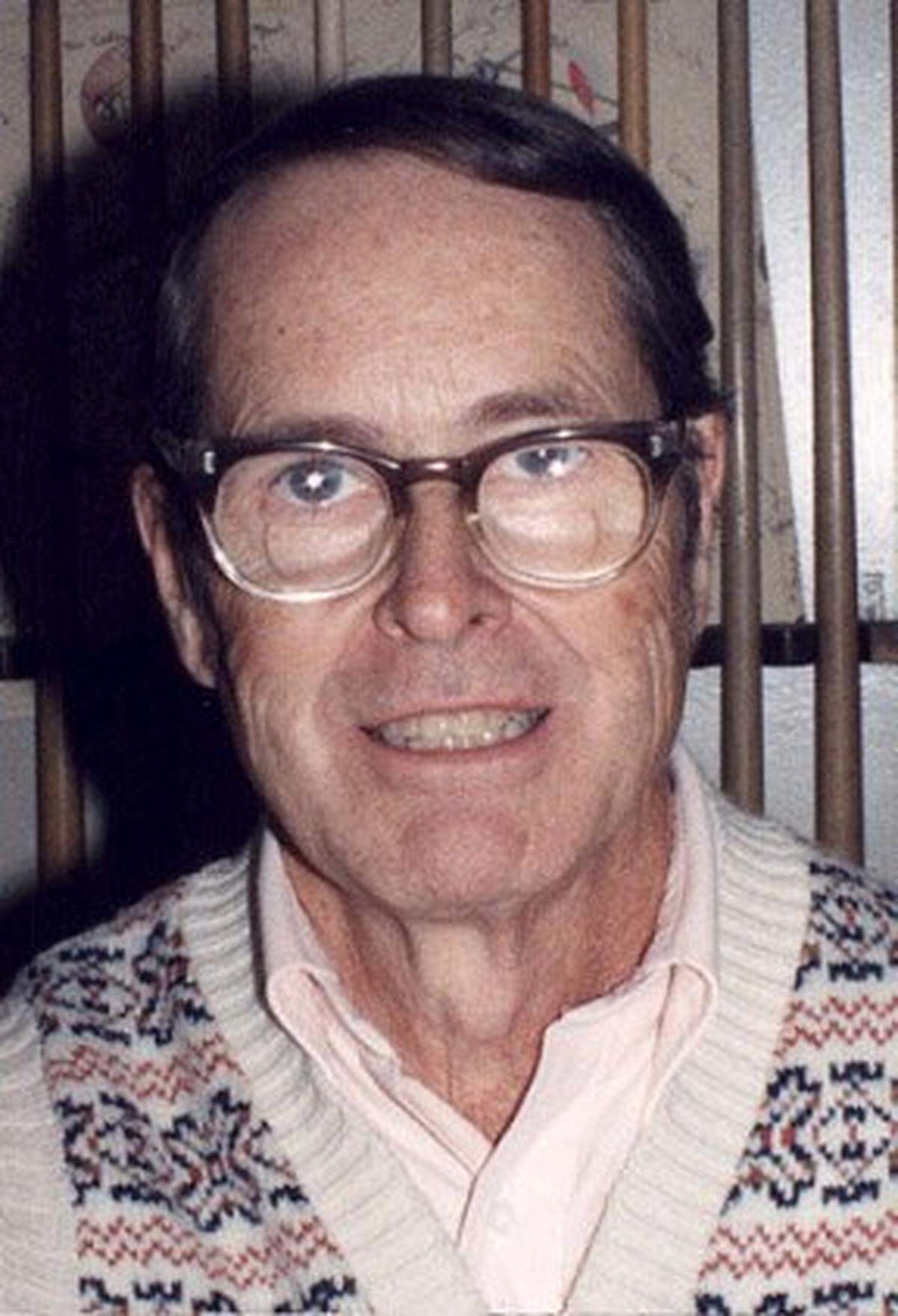
Detective Rob Wilson, a long-time homicide investigator, is now head of cold case investigations, a department aimed at solving 55 homicides and other serious crimes that were never closed.
“It’s difficult,” he said. “I’m finding these are a lot more challenging, but I’m back in the land of DNAs, ballistic matches and fingerprints where I belong.”
Kavanaugh’s body was found in the kitchen of his Heraldry Court home on June 19, 1994 after some friends from Blue Grass Billiards, or Toby’s as it was commonly called, went to look for him after he uncharacteristically didn’t show up at work.
The scene, captured in police photographs, was a jumble of broken furniture and spattered blood centered around Kavanaugh’s battered body. Blunt force trauma, police decided, but there was so much blood, they couldn’t determine what the actual murder weapon was, a chair leg, or baseball bat or even the heavy end of a pool cue.
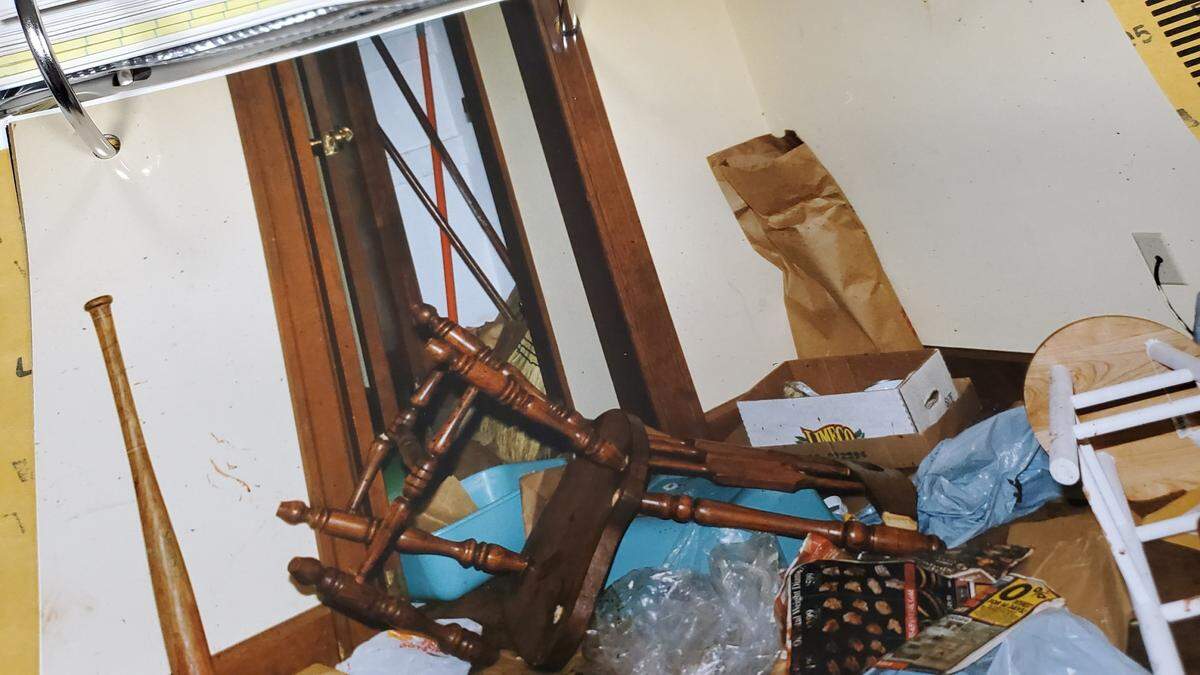
Although Kavanaugh was known to sometimes carry cash, it wasn’t clear that anything was taken. Witnesses told police that it was an open secret that Kavanaugh was gay, but there were no indications that had anything to do with the case.
Kavanaugh lived a quiet life. As Brian Bennett wrote in the Herald-Leader in 1994: “Kavanaugh’s world was hardly bigger than a cue ball. He grew up in a smoky pool hall and opened one after he graduated from high school.”
His niece, Christy Kavanaugh, told Bennett that her uncle, who lived alone, enjoyed working in his yard and having at least two or three cats around. In Kavanaugh’s backyard was a cemetery for his deceased cats.
“That’s why we can’t understand it,” Christy Kavanaugh said. “He was such a nice, old man.”
Christy Kavanaugh still lives in Lexington, but did not return calls for comment. Most of Kavanaugh’s other contemporaries are gone, Wilson said.
It’s not clear why Kavanaugh’s case has languished for so long. The Lexington Police department was coming out of the scandal-plagued “Bluegrass Conspiracy” era, just moving into a more professional organization. DNA evidence, of which there was plenty, was just coming into regular use.
At one point, police thought they had a suspect, a young man who was a regular at Toby’s. But in the end, none of the DNA evidence could be linked to him and he had a pretty good alibi: He was in jail at the time. So charges against him were dropped.
Then nothing for another decade. Lexington started a cold case department, then had to cut the funding for it, and has now started it up again. Kavanaugh’s case is at the top of Wilson’s list.
Wilson has talked to Christy Kavanaugh and some other folks, but most of Kavanaugh’s contemporaries are gone. He’s pinning his hopes on the multiple pieces of DNA evidence, and is just waiting for when he has enough time to go through the locker and ship certain pieces off to be analyzed.
DNA analysis has come so far and gotten so sophisticated that he’s hoping to replicate what California investigators did in 2018 when they finally found the serial rapist and murderer known as the Golden State Killer after a 40-year investigation.
Basically, some genealogy data companies will help police, by using the DNA of a suspect to track if they are related to anyone who has voluntarily submitted their DNA for geneaological research. The California investigators used GEDMatch, a Florida company that found about 100 people who might have been related to the DNA left behind in crime scenes. Shortly afterward, police arrested Joseph James D’Angelo, who was 72. This summer, he pleaded guilty and was sentenced to several life sentences.
This kind of DNA analysis is being used by police all over the country now to crack current and cold cases, and Wilson is optimistic.
“DNA will solve it if we can get a good sample,” Wilson said. “With this many years gone by, I don’t think it will be someone in prison, it will be physical evidence. The person may have died, but I think we will find them.”
If you have any information about the Toby Kavanaugh case, please contact Det. Rob Wilson at the Lexington Police Department at (859) 258-3700.
This story was originally published December 31, 2020 at 8:59 AM.