
Our Voices: Like the state of Kentucky, my family was torn apart by the pandemic.
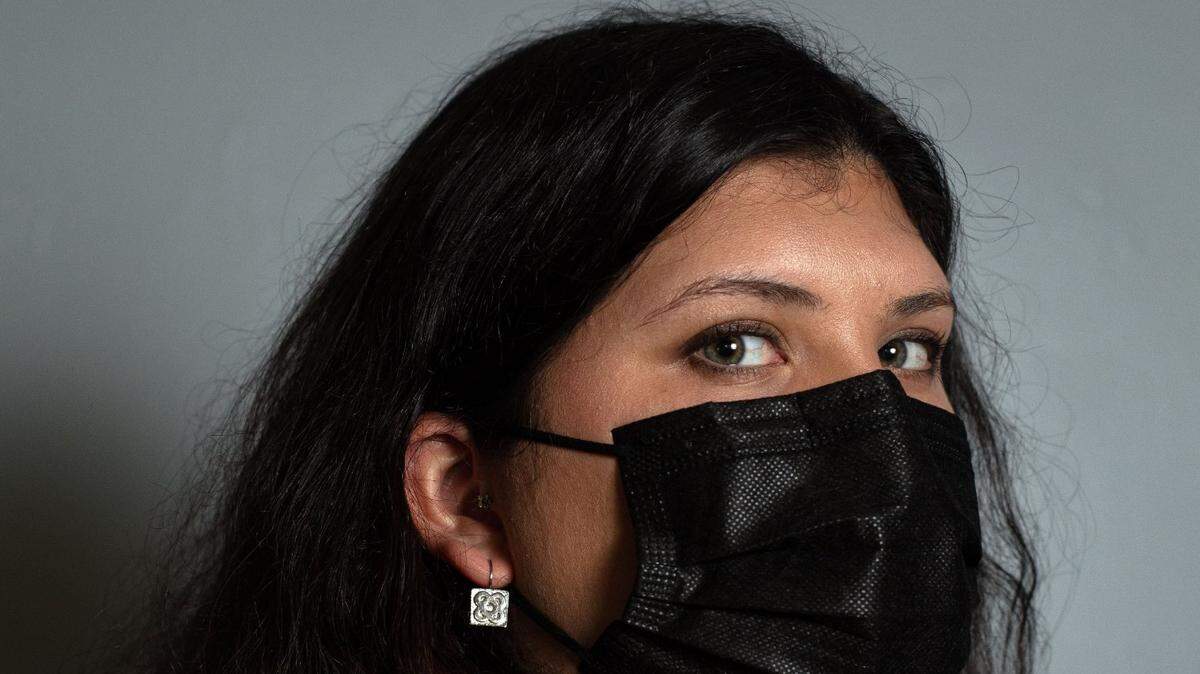
I was driving to the grocery store when I found out. My mask was in the center console and my hand sanitizer was tucked in my purse in the passenger seat. It was early November of 2020, nine months into the pandemic, and coping with safety procedures had become routine for me. I was going over the list of things I needed when I was interrupted by a call from my mom. I smiled; the distance between Lexington, KY and Madison, WI was impossible to cross safely amidst a global pandemic and it was going to be hard not seeing my family for Thanksgiving this year.
“Hi mom!”
But something wasn’t right.
“Taylor, it’s my brother…”
My uncle Peter Colorez, Jr. died of COVID-19 on Nov. 3, 2020. He was bald but had bushy eyebrows, and a soft smile. He loved his family, and we all loved him. He died in the hospital, alone, with no one but his children even knowing he was sick because he didn’t want to worry anyone. Though I can’t recall the drive home, the next thing I knew I was in the parking lot of my town house. I put the car in park right as the tears started rolling down my face.
In my head, I knew that Hispanic and Latino people are two times more likely to get COVID than white people, three times more likely to be hospitalized from it, and 2.3 times more likely to die of it (CDC). My mom was one of seven children, all of whom had children themselves. So, I knew it was highly probable that someone in my large maternal family would get sick. But nothing in my head could have prepared my heart.
Not two weeks after her brother had died, my mom tested positive for COVID. Shortly after my mom, my younger sister tested positive, and then my 94-year-old grandmother. They were safe, they wore their masks, they hardly left the house. How could this happen? Then my grandmother was hospitalized. Though she eventually recovered physically, her memories began to deteriorate at an accelerated rate. Shortly after my grandmother was released, my aunt and her husband were diagnosed with COVID and taken to the hospital. COVID continues to tear its way through my family on my mom’s side, leaving broken bodies and wounded hearts in its wake.
Meanwhile, over 1,000 miles away in Virginia, my extended family on my dad’s side grappled with a different side of the pandemic. My paternal aunt is funny and fun loving and kind. She has smile lines and blonde hair and freckles from long years spent in the sun. She also believes that the pandemic is being blown out of proportion and that the health of the economy should be top priority. She refuses to wear a mask, insisting that it encroaches on her freedom. As white people are the least likely group to say they wear masks, I shouldn’t be too surprised (Pew Research Center). But it hurts that I can’t speak with her about it and be heard.
Even with the many miles between us, I’ve always felt close to my family on both sides. COVID has put a different kind of distance between us though. The pandemic has robbed me of more than just seeing their faces and giving them hugs that I’m sure we all need; it’s robbed my uncle of his life. It has also created a wall between me and my aunt, stacked high with topics we can’t discuss without fighting. I’ve noticed similar fissures between friends, families, and even complete strangers here in Kentucky.
Throughout this article I’ve discussed my dad’s side of the family and my mom’s side of the family as two different entities. It makes sense as they lead such different lives. But perhaps that’s part of the problem. Because white people are significantly less likely to catch COVID and less likely to die of it than people of color, people like my aunt, who don’t know many people who look different from them, don’t see the pandemic in its entirety. But I can change that. Because between both my mom’s side and my dad’s side, I have one family.
Communicating my unique experience and insights as both half white and half Hispanic could bridge gaps in understanding and bring my family together. I challenge my fellow Kentuckians to do the same. What story do you have to share? And beyond that, what can you learn from listening to someone different from you sharing their story? While communication alone may not be enough to unite my family or the state, it is the first step in the process. What comes next is up to all of us.
Taylor A. Armstrong is a graduate of Ohio State University who has been converted from the Big 10 to the SEC, and is also an avid reader and pet parent.
This story was originally published June 4, 2021 at 9:08 AM.