
Let’s make ‘My Old Kentucky Home’ a teachable moment about history
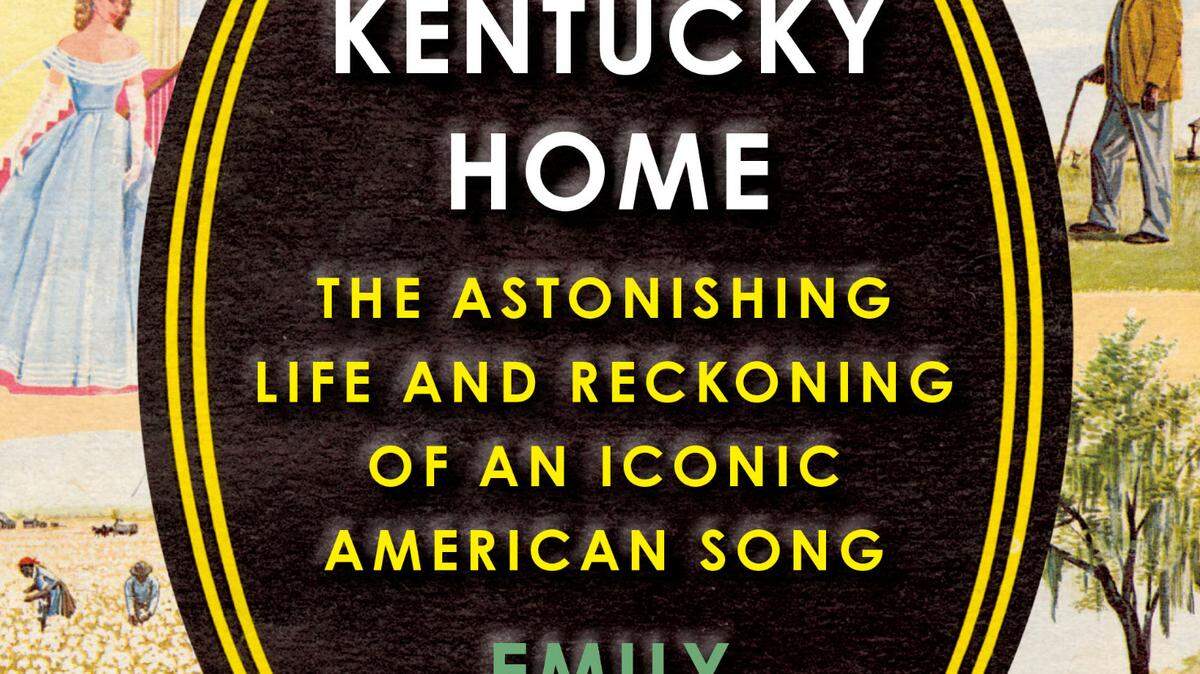
I must confess that I have never really understood our state song, “My Old Kentucky Home.” I agree it is an approachable tune that you can whistle, hum, or sing with the julep-infused throngs at the Derby. But the lyrics are oddly disjointed—Sun shining bright . . . Children all happy . . . Weep no more my lady??? It’s hard to see this as a calling card for the state or as a glorification of slavery for that matter. But thanks to the scholarship of Emily Bingham and the editorial by Linda Blackford, the original 1853 lyrics and its history have become accessible.

However, I find the interpretation of this as a portrayal of the slaves as happy with their fate on the plantation equally disjointed and the call for banning the song as misguided for a different reason. It seems that all the discussion has been focused on the ways that the song has been co-opted for profit over the years. We should look at the lyrics as a short poem about the life of a slave family in Kentucky. I am sure that there were beautiful summer mornings with sun shining and birds singing even during slavery times. The birds were, after all, not being advocates for slavery, they were just being birds. And the joyful smile of an infant? Was an infant’s innocent smile an endorsement of slavery? I doubt it. In the middle of a stanza, the tone abruptly shifts to a lament told by a man sold down the river. Never to see his family again or his Kentucky home such as it was, and more importantly his excruciating sadness about the certainty of his child’s fate. “Weep no more my lady” now makes sense as he departs.
So should we ban our state poem set to music? True only 8 words out of 276 (2.8%) seem to have a positive connotation about being a slave. No, rather this is a perfect teachable moment to educate our children about the horrors of slavery in our history, the Civil War, white privilege, Jim Crow laws, and the suppression of Blacks as co-equal members of society.
Imagine the classroom discussions as the students confront the poem’s meaning. Make it a state mandate that the poem be taught as part of the curriculum for all students. I trust the creativity of our teachers as they engage students about these important educational topics. In contrast, the self-styled opponents of teaching “Critical Race Theory” are fond of banning works of literature but let them try to ban our state song from the classroom! The irony of this situation is almost palpable. The simplicity of this unassailable approach also reminds me of an interchange between a reporter who shouted out to then candidate Harry Truman, “Give ‘em Hell, Harry”. The answer: “I tell the truth and they think it’s Hell”. You can almost set this to music. You know the tune—Teach One Song for My New Kentucky Home.
Edward Kasarskis is a professor of neurology at UK who specializes in ALS (Amyotrophic Lateral Sclerosis).
This story was originally published May 6, 2022 at 9:53 AM.