Jamal Mashburn: Here’s why I chose Kentucky and what Kentucky means to me now
READ MORE
The Magic of Madness
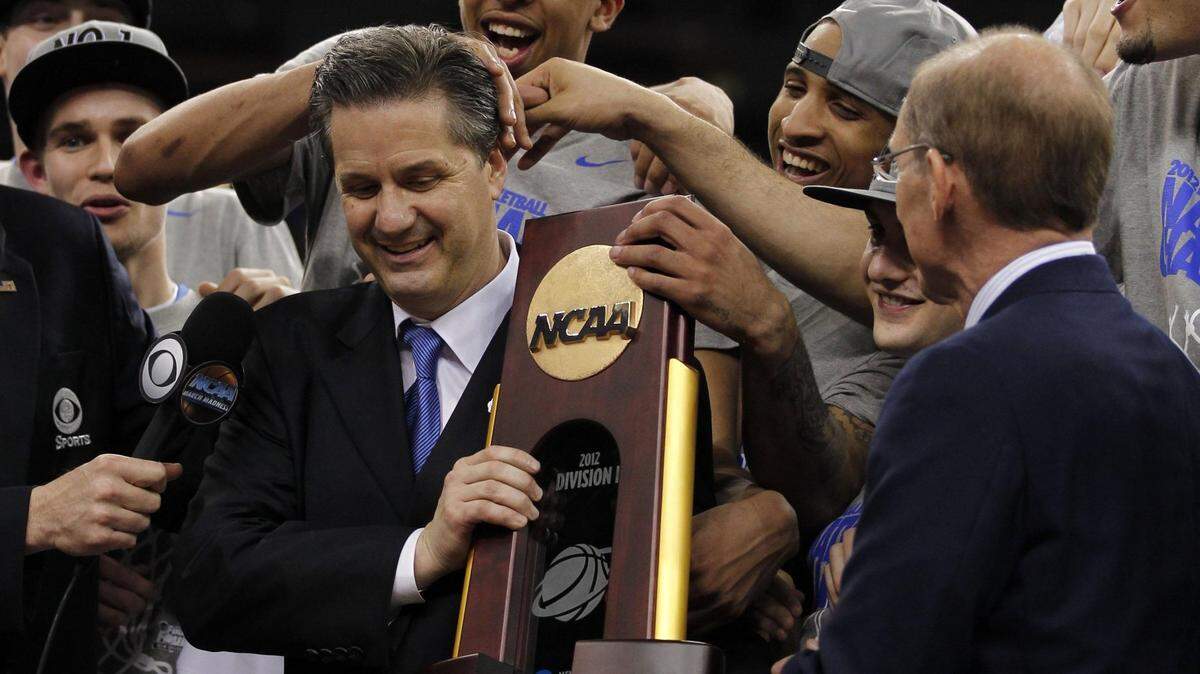
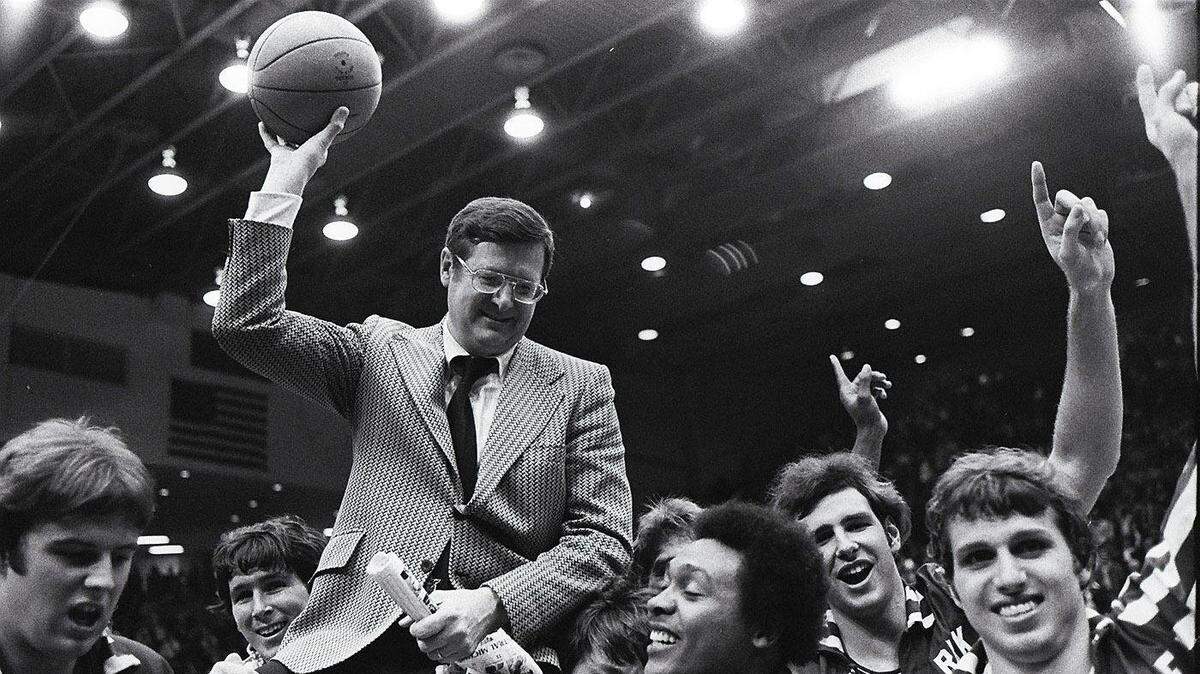
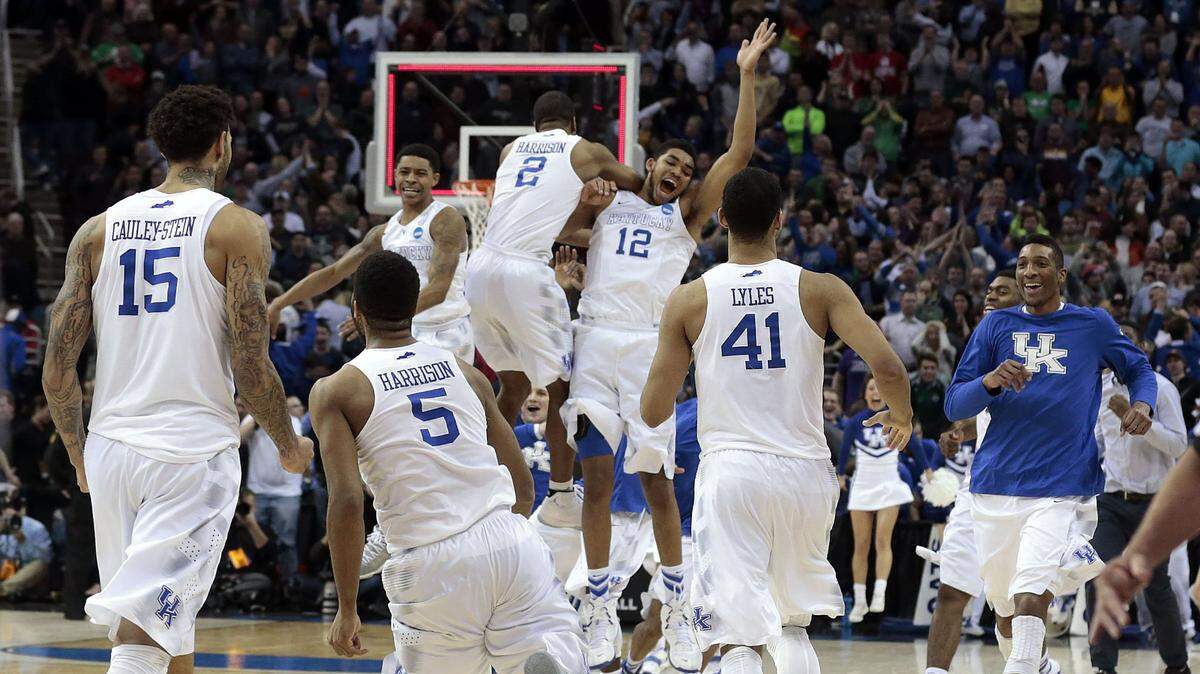
The 2020-21 men’s basketball season did not go Kentucky’s way, but the Wildcats have delighted Kentuckians with peak postseason performances for decades. As the Final Four plays out this weekend in Indianapolis, the Herald-Leader has produced a 20-page, full-color commemorative special section inside Sunday’s newspaper celebrating Kentucky’s most memorable moments in the NCAA Tournament. Click below to read the stories from that section in digital form.
Expand All
I was correct at 17 years old.
Sometimes we look back on our experiences and we wish we would have chosen different things or we regret certain choices, but I was right about my choice, about Kentucky, about Rick Pitino.
I made that decision in 1990 not knowing a lot about Kentucky. I didn’t have the technology we have now where you can Google the University of Kentucky and all its traditions. All I had was what the university sent me as part of its recruiting pitch, which was the media guide. And that didn’t even do it justice.
Looking back on it, it’s awfully difficult to go to a place that is quite different than New York City. My roommate Gimel Martinez made the transition easier, as did our coaches, Coach Pitino, Herb Sendek, who was my lead recruiter, Billy Donovan and Tubby Smith. I value my relationships with them.
Coach Pitino was able to speak “New York Language” which helped. What I mean by “New York Language” is that it’s not anything new in the vocabulary, but the tone of the message. That was a very valuable skill when I grew up in New York City. People can be yelling at you, but they have a great message. And my mother, who passed away a year ago, she was great at that.
Also, the hiring of Bernadette Locke as an assistant coach was significant, not only as a woman, but also an African-American woman. Today, I understand the impact, and what the world is going through, the issues of diversity and inclusion and gender. We were way ahead of our time having Bernadette Locke.
When you’re a young kid you don’t retain certain things, but I remember my flight coming in on a recruiting visit felt different. One of my favorite things coming back to Kentucky now is going to Blue Grass Airport, looking out the window as you pass over the farms. In New York, the only horse I saw was the one cops rode on in the street in riot gear. The manicured grass here, the organization of the fences, I was blown away.
Then when I got on campus, I was blown away by the magnitude of the university and the size of the student population. Also, as a kid who went to an all-boys high school, it was great to see girls. Being a part of that environment was awesome. It felt like I was supposed to be there. I felt I belonged. That’s a great place to be in for a 17-year-old kid leaving his mom for an extended period of time.
‘We can do this’
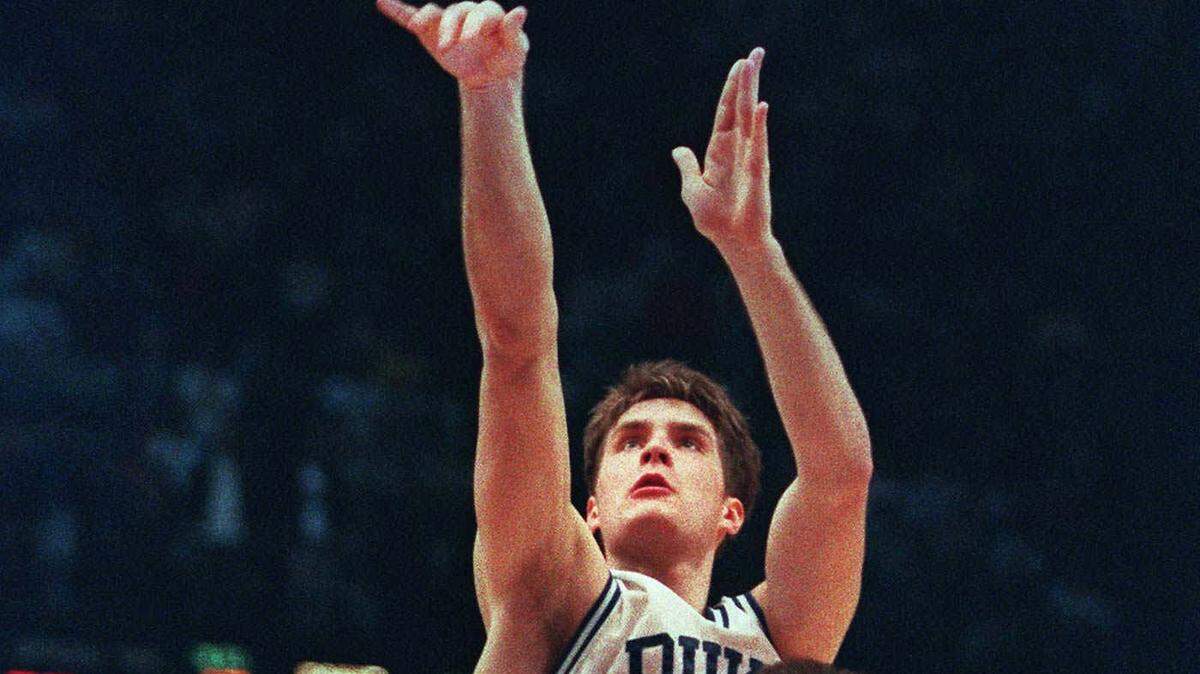
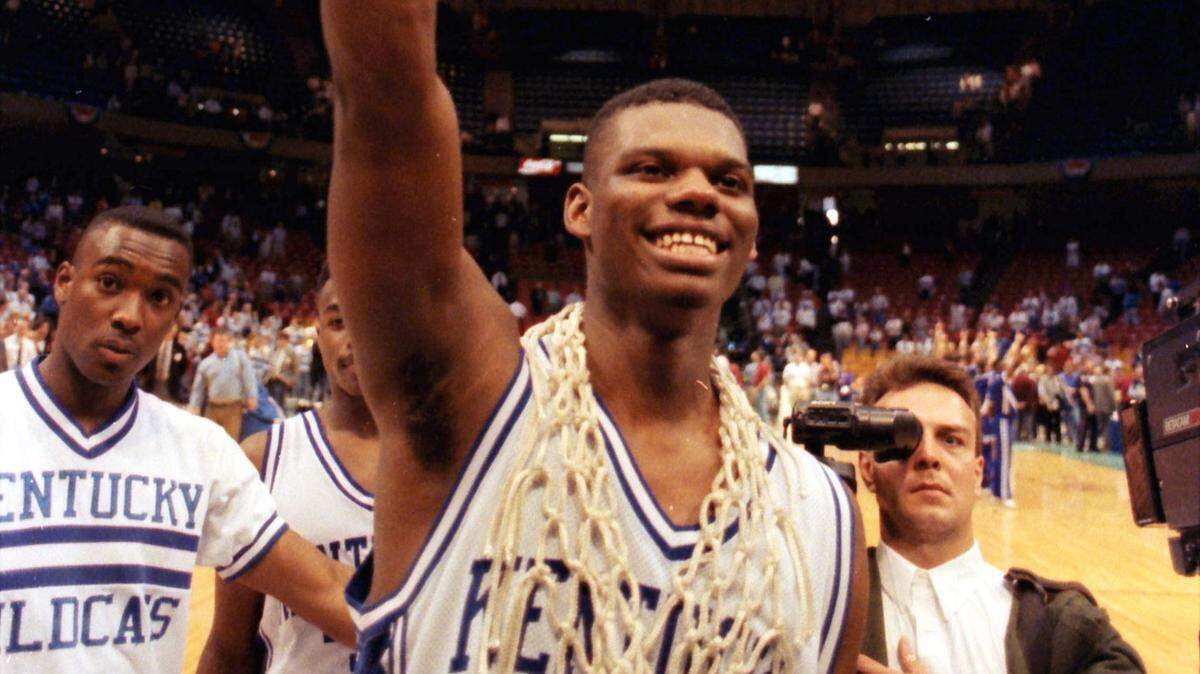
My freshman year in 1990-91, we didn’t have a postseason because of probation. So when we got to the NCAA Tournament my sophomore year, people didn’t expect much from us. That was the best place for us to be in because that’s the moniker we carried throughout the year. Everybody goes back to the Duke-Kentucky game, but all the games beforehand, it was like “We can do this. We can make this happen.”
There was also the connection with the guys. “The Unforgettables” with John Pelphrey, Sean Woods, Richie Farmer and Deron Feldhaus. I wanted to win for them. I witnessed all the work they put in, the level of sacrifice that was required for them just to get in the starting gate. Those guys understood that they were role players, but they played above their roles. That was special. And being a part of that, there was no other university that could provide that experience.
I look at it as there were three transitions. The first year was really establishing ourselves. The second year was moving into knowing we could compete. My third year I actually thought we were in a position to win a championship. We had the team, the make-up, and we eventually got to the Final Four, spring-boarding off that Duke-Kentucky game. I felt like the program arrived. Getting to the Final Four, losing in New Orleans to Michigan and the Fab Five, seeing how much ground the university and the basketball program had covered from my first year to the third year was remarkable.
And we didn’t do it with a top five recruiting class. There was a lot of hard work, a lot of discipline, a lot of strategy — Coach Pitino being ahead of his time. I reach out and tell him, “You were right about the three-point shot.”
‘You were right’
To me, there are a couple of words that encapsulate my time at the University of Kentucky — relationships and honesty. Honesty and integrity are a couple of my core values. To be able to develop that as a young man and have a successful NBA career, I owe a lot to the state of Kentucky. And not just to Coach Pitino from a basketball standpoint, but also for broadening my perspective.
And as much as a I didn’t participate in the ‘96 championship, I feel very much a part of that. I didn’t need a championship ring to recognize that or solidify that. I was probably one of the key building blocks in doing that and I’m appreciative of that.
Looking back as an adult, as a 48-year-old, I’ve never been embraced like I was at Kentucky. I think people recognized that I had a passion for basketball, that I was going to work my tail off and I was a true teammate. Being a teammate that had star quality I think endeared me to people in Kentucky. And what takes it over the top for me is how people responded when I endowed the university for the Mashburn Scholarship. That brings me a great deal of joy. I know I was born in New York City, but I consider Kentucky home in a lot of regards.
As my mother would say in heaven, “You were right.” And I was right at a time when a lot of people didn’t think I was right. I had the courage to stick to my guns and that’s something that my mother instilled in me.
I know this sounds like a love letter to the University of Kentucky, but it’s also a love letter to my mom. She really believed in me and trusted me to make the right decision. And I did.
About Jamal Mashburn
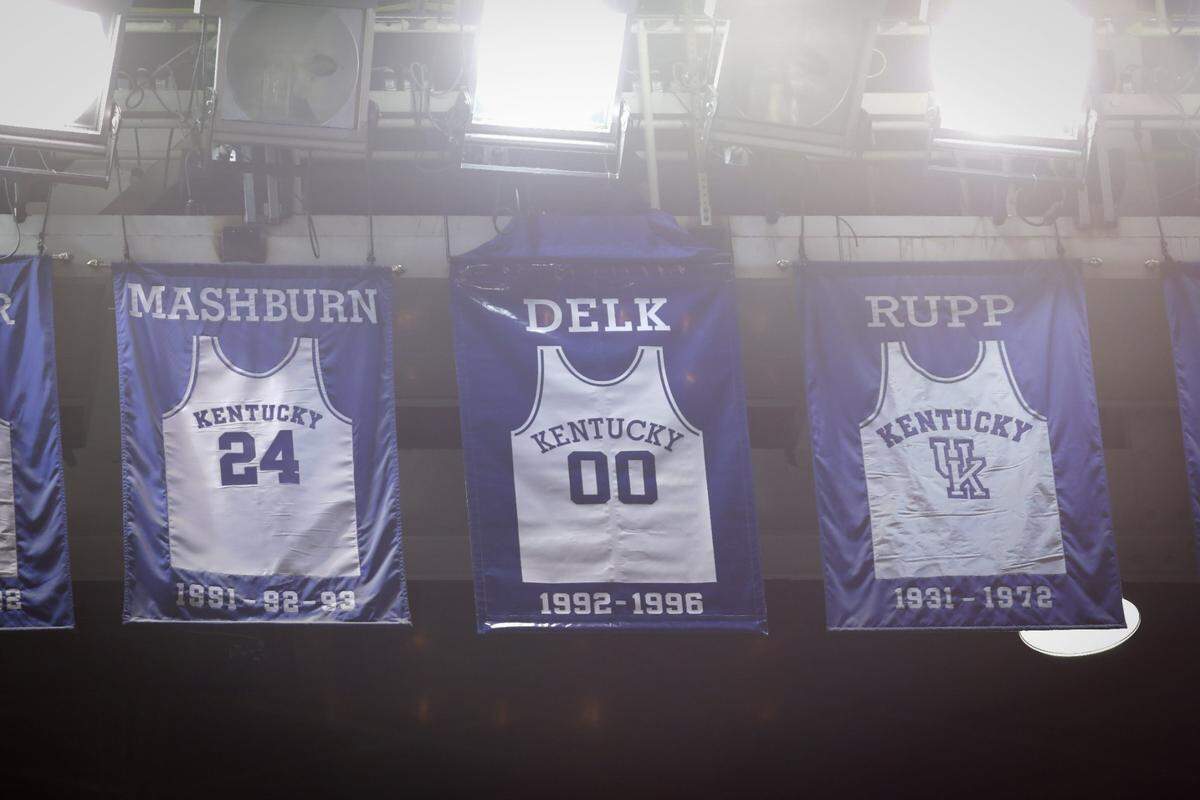
After his All-America career at UK, which included a March Madness run to the 1993 NCAA Final Four, Mashburn spent 12 seasons in the NBA and was named an All-Star in 2003. He was inducted into the UK Athletics Hall of Fame in 2005.
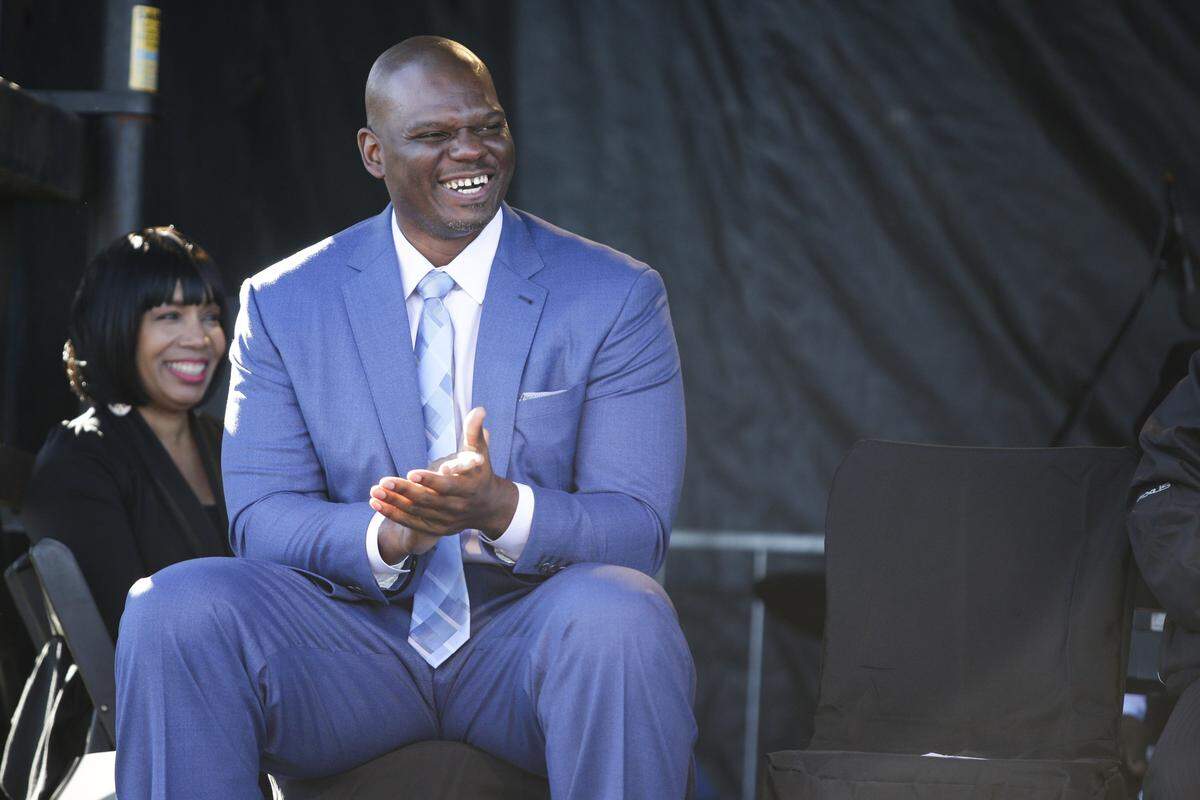
Today, Mashburn, 48, sits on the board of directors for the McClatchy media company, which includes the Lexington Herald-Leader. He owns numerous businesses, including car dealerships and Outback Steakhouse and Dunkin’ Donuts franchises, and serves as an adviser to several more.
The Jamal Mashburn Scholarship Fund identifies ninth-grade students in the Lexington area, tracks them through high school, and then awards them a full scholarship to attend the University of Kentucky or Bluegrass Community and Technical College.
This story was originally published April 4, 2021 at 5:14 AM.