How today’s high school baseball coaches balance pitchers’ safety and success
When Lexington Catholic coach Scott Downs pitched for Pleasure Ridge Park back in the 1990s, there weren’t pitch counts linked to mandatory rest periods like exist in the modern era.
And there wasn’t much pitcher specific personal training to be had, either.
“Back in the day, you knew what (pitchers) were doing when they left here. They weren’t doing anything,” Downs said, smiling. “All you had to do was long toss and do your (stretch) band work. Those were the exercises.”
That worked for Downs, who earned 1994’s Kentucky Mr. Baseball award for PRP’s state champions and went on to be a standout hurler for Kentucky before a 14-year Major League Baseball career.
Modern-day training techniques attempt to raise everyone’s potential. Those workouts can be a year-round endeavor.
“Now, they have so much more at their disposal,” he said. “They’re doing medicine ball stuff. They’re doing pull downs. They’re doing all kinds of different things, and there’s all kinds of contraptions that these kids use to stay healthy and to try to throw harder.”
Pitching examples old and new
During his playing days, Lafayette coach Kevin Goins remembers Generals ace Jed Dorough pitching a complete game in the state semifinals and then turning around the next day and throwing the first four innings of the 1988 state championship. Dorough and Goins were part of back-to-back state title teams for the Generals.
“It was a different time and a different mindset with kids,” Goins said. “Now, it’s just managing their workload. Some kids can bounce back quicker than others. There’s other kids that if they throw 80 pitches, they’re going to need a week.”
That’s not to say today’s pitchers can’t be as tough or as tough-minded as their predecessors.
“Last week at Dunbar, I had a senior who gave me five innings. He gutted through it. I’m like, ‘You’re at 85 pitches. You’re good,’” Goins said. “And he was about ready to fight me.”
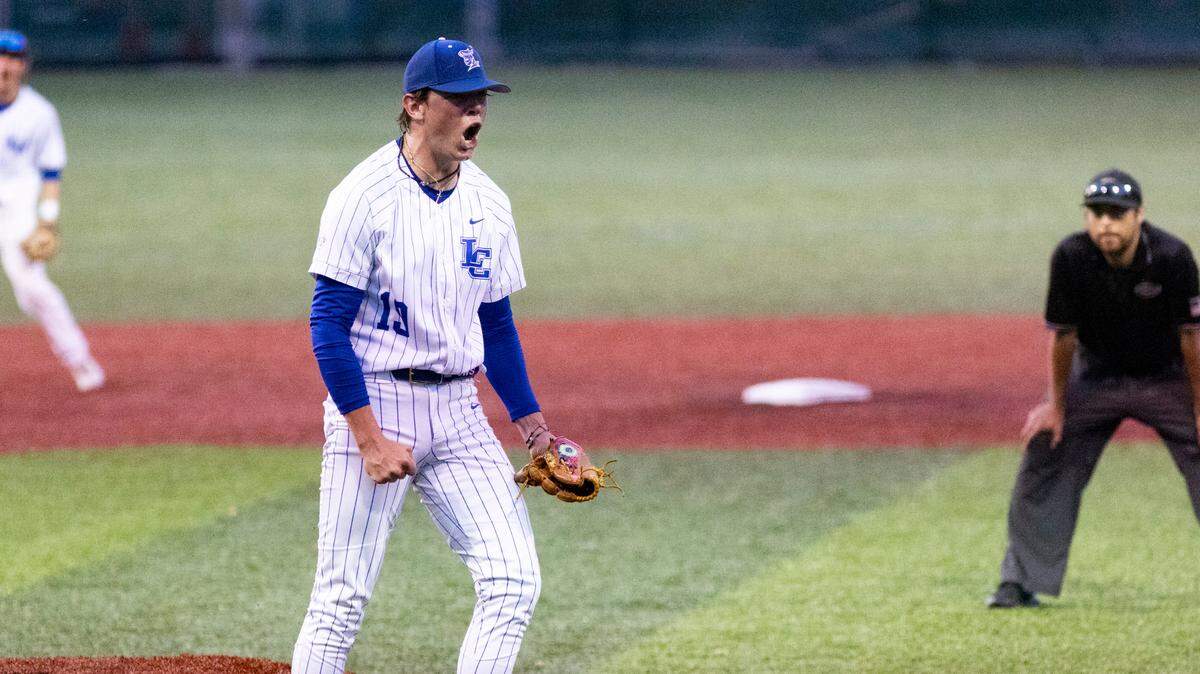
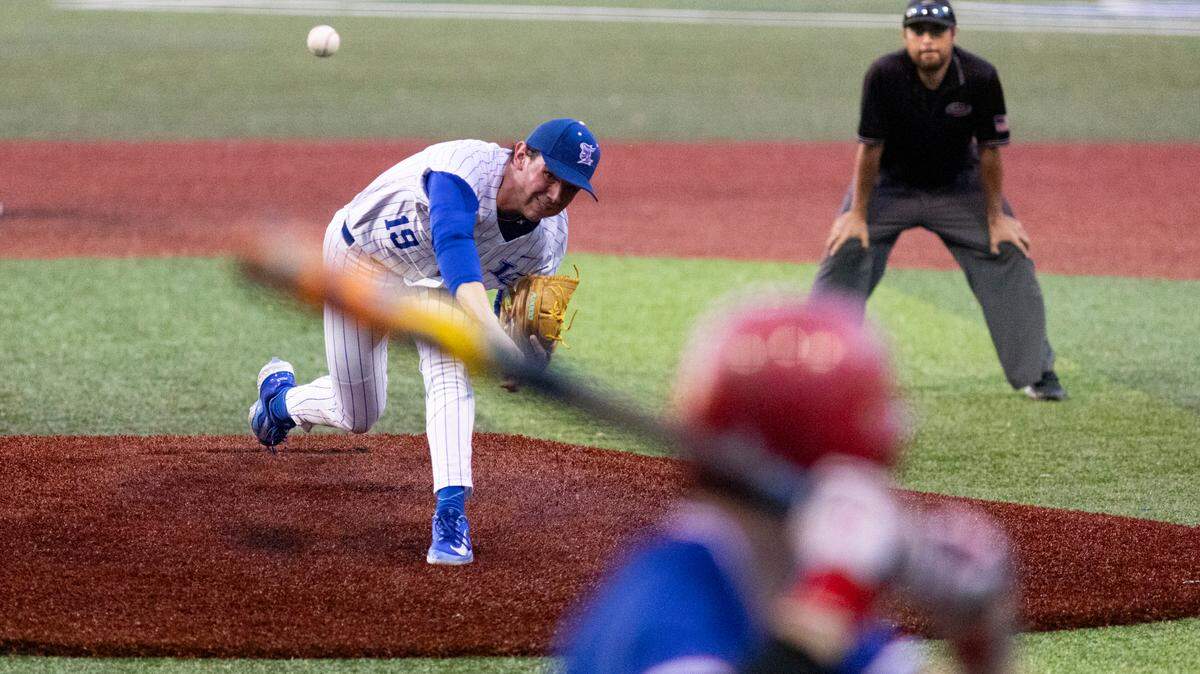
On Wednesday, Lexington Catholic’s Jack Sams, a senior Kentucky commit, pitched a complete game shutout that included an hour lightning delay two innings into it.
Sams seemed to get better as the game wore on, though, allowing only three hits and striking out 15, including the last six Lafayette batters to cap a 6-0 win. He ended up throwing 106 pitches for the No. 17 Knights (9-7).
“It was a district game, and I came out of the break just amped up and ready to go,” Sams said. “I knew I had to get outs as quick as possible. I started out a little shaky in the first two innings, but after I calmed down, the team gave me some runs and I settled in.”
Downs didn’t plan on leaving Sams in the game that long, especially after the delay, but his senior ace worked more efficiently in the latter innings than he did to start the game.
“That last inning, he was hitter to hitter. It’s your game if you want it, but don’t give me a reason (to come get you),” Downs said. “But he’s earned the right to get that shot, you know. And he proved that he needed to be out there. His stuff in the sixth and seventh was more crisp than in the first and second. And that says a lot about what he’s doing to prepare himself for situations like that.”
Building them up for the postseason
Pitching is the unquestioned key to a successful high school postseason.
District, region and state playoff games come in quick succession, too fast for contenders to recycle their best pitchers back into the lineup due to today’s mandatory rest periods.
“You’ve got to have depth. And you’ve got to have guys that buy into our philosophy,” Sayre coach Kevin Clary said.
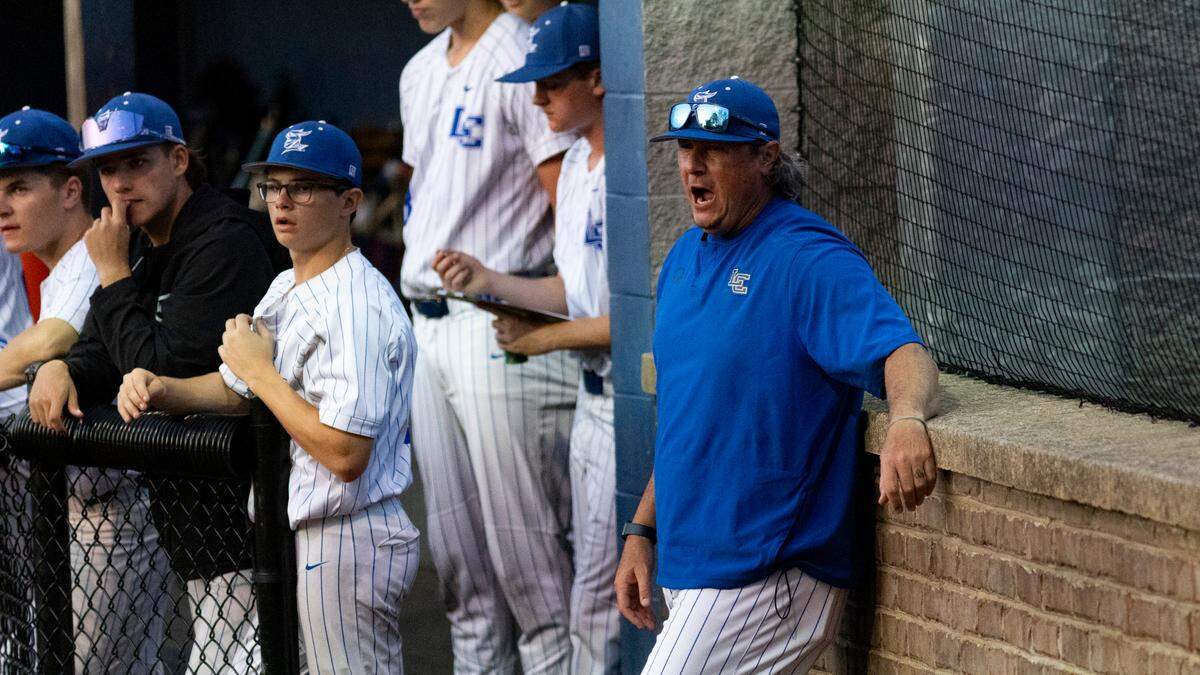
As the season goes on, Downs said he tries to stretch his starters longer into games to help them be ready for tournament time.
“Come crunch time, I’ve got to know if they’re going to be ready in the sixth and seventh, mentally and physically,” Downs said. It’s two games to get through the district, but it’s three to get through everywhere else.
“When you get to state, you have to have that third option that’s going to get you some outs to get you moving forward.”
Pitching versus throwing
High school baseball pitchers know the emphasis in today’s game at the college and pro levels centers on how hard they can throw.
“Kids are bigger, faster, stronger now than ever before, and they throw harder than we did when we played,” Clary said.
More speed can lead to more injuries. And that’s why today’s high school pitchers are watched carefully.
“Anymore, the kids are used to not being pushed. They’re pushed, but they’re not pushed to their max,” Downs said. “And I think that’s because of injuries and protecting their arms and that kind of stuff. You just kind of have to watch and go into protective mode, because it’s not all about winning and losing. You don’t want your kids to be hurt. You don’t want them to do something they’re not prepared to do.”
Throwing harder can also mean the pitcher loses the strike zone, however.
“Pitching, for the most part, is a lost art anymore,” Goins said. “It’s, ‘How hard do I throw? Do I light up the radar gun that’s going to catch the college coach’s eye?’ But once you get there, if you can’t pitch, it doesn’t matter how hard you throw. They’re going to send you packing.”
Downs emphasizes pitching over power.
“I’ll take 80 (mph) if you throw strikes. If you throw 85 and you can’t throw strikes, I don’t want 85,” Downs said. “I think it will come back to understanding how to pitch and there are plenty of kids out there that know how to pitch, but there’s a lot more out there who just know how to throw.”
Managing workloads for safety
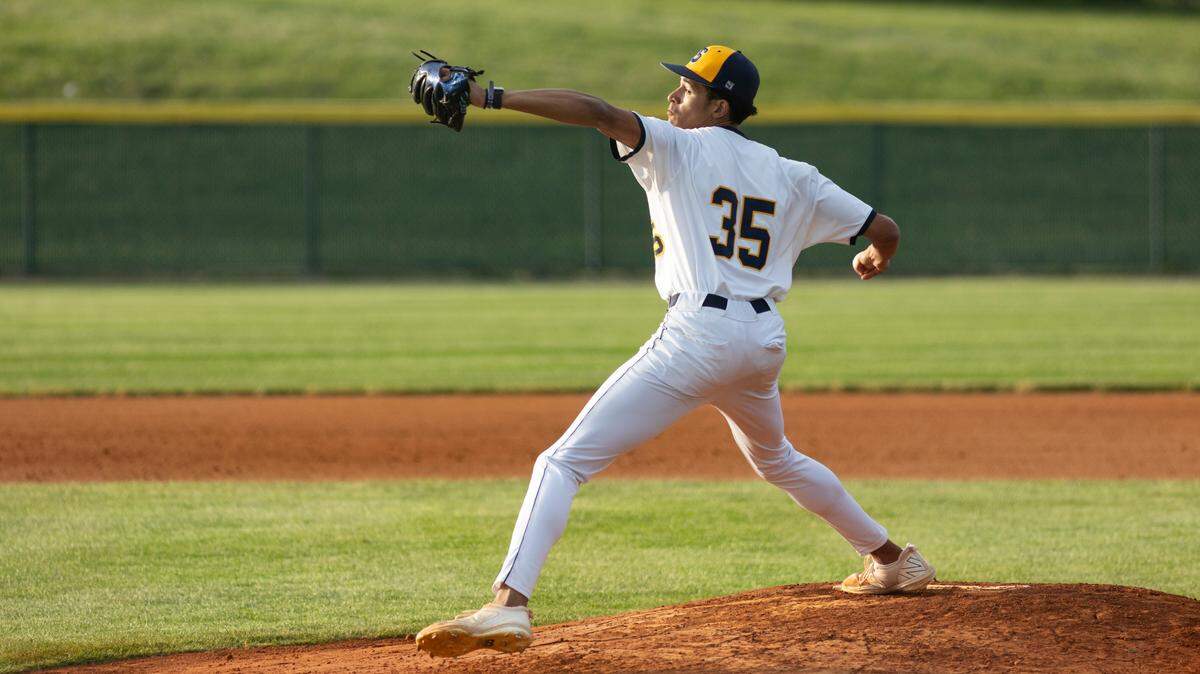
Since 2016, the Kentucky High School Athletic Association has followed national guidelines on pitch counts and corresponding rest periods. Pitchers must get three days off after throwing 76 pitches or more, two days rest for throwing more than 51 pitches and one day of rest for throwing at least 26 pitches.
In some of the years prior, the KHSAA allowed pitchers to throw up to nine innings in a day and and up to 15 innings in a week, regardless of the number of pitches thrown. More than seven innings required three days rest, according to the KHSAA guidelines published in 2012. That was obviously not the case for Goins’ teammate in 1988.
Today’s limits and rest periods aim to protect players from injuries. Coaches say they’ve also established a norm pitchers have come to expect.
“There’s a lot more protection involved. Kids are not used to throwing 100 to 120 pitches. They’re used to throwing 75-80, and you see that threshold,” Downs said.
Clary categorizes his Sayre pitchers based on what he and his staff believe they can do at the beginning of the season. The starter/reliever framework evolves as the season unfolds, of course, but managing the pitching staff is a constant concern.
“It’s very difficult now and very time consuming,” Clary said. “I spend more time with my pitching coach on the phone with him than I do my family trying to figure it out.”
Sayre has used 13 different pitchers this season to get to a 21-5 record and a No. 4 state ranking, according to PrepBaseballReport.com. The Spartans’ top hurler, Bellarmine commit Jaxson Howard, has a 5-1 record but only three starts and 27.2 innings pitched, an average of just over three innings per game.
“To me, the biggest indicator is what we call a high-stress inning,” Clary said. “A guy could throw 120 pitches in seven innings, and if he keeps it to 15 pitches an inning, that’s not considered high stress. But if he throws 120 pitches through four or five innings, and he’s had a couple of high-stress innings, that’s when, in my opinion, more injuries happen. So we watch all that stuff.”
Sams said he trusts his Lexington Catholic coaches to know when to pull him from the game.
“They do a good job of pulling us when we need to be pulled. I don’t think it’s ever really too early or too late,” he said. “It depends on how we feel during the days we have practice and how we feel on game day. I’m good to go however long I need to be in there. I let the coaches worry about that. I’m good to go whenever.”