Pitch communication systems embraced by some high school baseball, softball teams
Kentucky high school baseball is midway through its second season of being allowed to use pitch communication systems to relay calls from the dugout to the catcher behind the plate. Many teams have embraced it.
“I love it. It speeds the game up. And I wish we could talk to the pitcher, too, like they do at NCAA and pro ball,” Sayre coach Kevin Clary said. “That would eliminate signs. (Pitchers) would know what’s coming and that would speed the game up even more.”
The National Federation of High School Athletic Associations approved one-way communication from the dugout to the catcher for the 2024 season and extended it to softball for this season, as well.
“I really like the in-ear system,” said Lafayette coach Kevin Goins, who used a watch app system at Scott last season, but prefers the walkie/headset system Lafayette has. “Not only can we tell them what pitch is coming, but you know, ‘Hey, go call time. Go talk to him. Tell him this. That saves us the trip.”
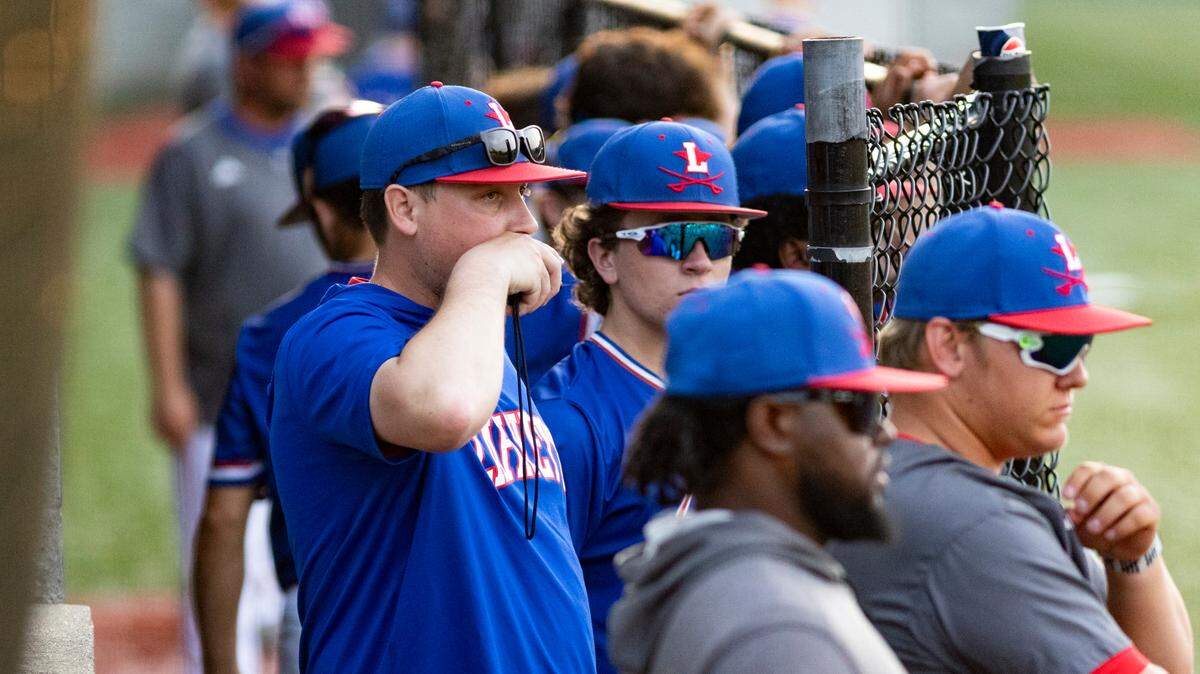
Under the rules, coaches can only communicate with the catcher and can only do so while he’s behind the plate during the normal time he/she would be getting signals from the dugout. Once the ball is in play, there can be no communication.
Lafayette catcher Micah Joy said he likes the system because he doesn’t have to memorize a bunch of signals on top of the ones he sends to his pitcher.
“I can just focus on the game,” he said.
That’s one of the reasons Clary likes it, too.
“There’s very few cross-ups now. You can’t say, ‘Well, the catcher got the wrong signal.’ ‘No, I told you what to throw,’” Clary said.
Defending 11th Region champion Lexington Catholic is among the teams who don’t use a communication device. That’s because, for the most part, head coach Scott Downs lets his catchers call the game.
“I want them to learn the game. I want them to fail. I want them to succeed on how they do things — not because this is what I told you to do,” Downs said, although he acknowledged calling from the dugout would be easier. “If we don’t let them learn it, fail with it and understand it, then we’re not doing them any service.”
Lexington Catholic’s Brady Wasik and Owen Jenkins share catching duties for the Knights. They often talk about how they call the game. Wasik said he sometimes looks over at Downs if he’s uncertain about a call in a big spot.
“He knows. I don’t know how to explain that. I’ll look at him, and he’ll look at me, and he’ll give me a sign,” Wasik said.
Henry Clay coach Jordan Tarrence looks at the communication system another way.
“Most of these kids don’t come in and study charts and study film like they do at the next level,” Tarrence said. “If I know we’ve started a first pitch curve ball on the last at-bat, and I decided to throw something different, that’s the type of thing (his player) probably doesn’t remember. But I’m sitting there with a chart looking at what we’ve been throwing the whole game.”
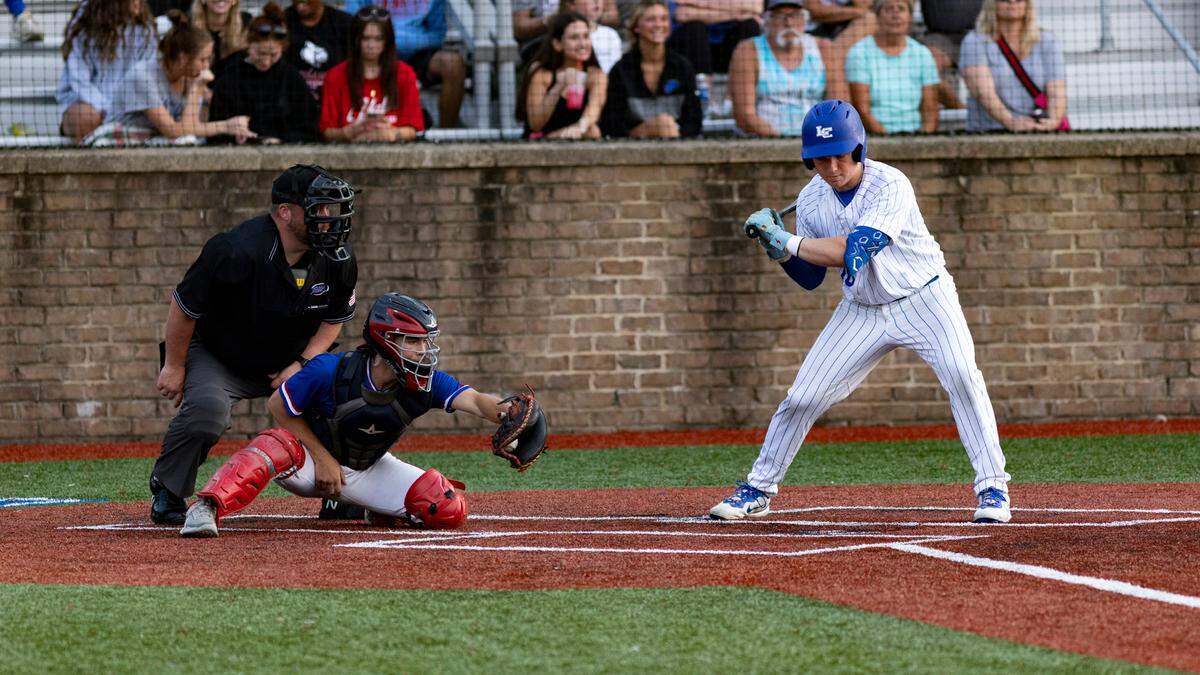
While Tarrence acknowledged most of his catchers call their own games during summer ball, he also noted he doesn’t see many college catchers calling their own game in the Southeastern Conference or other leagues.
“It’s easier for them,” he added. “I’m the one putting all the thought into what we’re going to call. You just worry about making that pitch the best you can make it and don’t worry about anything else.”
Lafayette’s Joy said he and pitching coach Brady Bowling have a good relationship and that helps when Joy sees something that perhaps his coach doesn’t.
“I trust Brady and he knows a lot more. He can see more than I can. But every now and then, he’ll give me the choice to call what I want,” Joy said. “And if I see something that the batter is doing, like if he’s dropping his hands, I can call it off, and I’ll call what I want.”