‘There was nowhere for a girl to go.’ How Title IX improved athletics across Kentucky.
READ MORE
How Title IX changed KY sports
Not one of the 37 words in Title IX directly references athletics. Yet it reshaped the sports world by unlocking school-sponsored athletics to females. This is how it changed the playing field in Kentucky.
Expand All
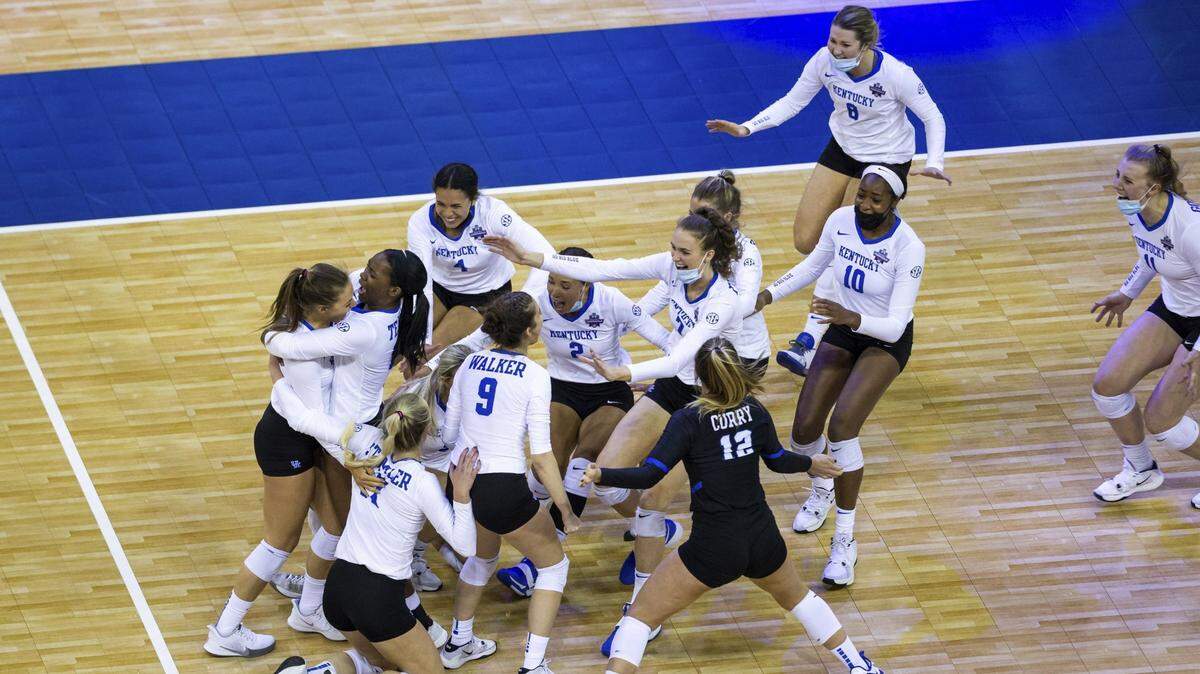
‘There was nowhere for a girl to go.’ How Title IX improved athletics across Kentucky.
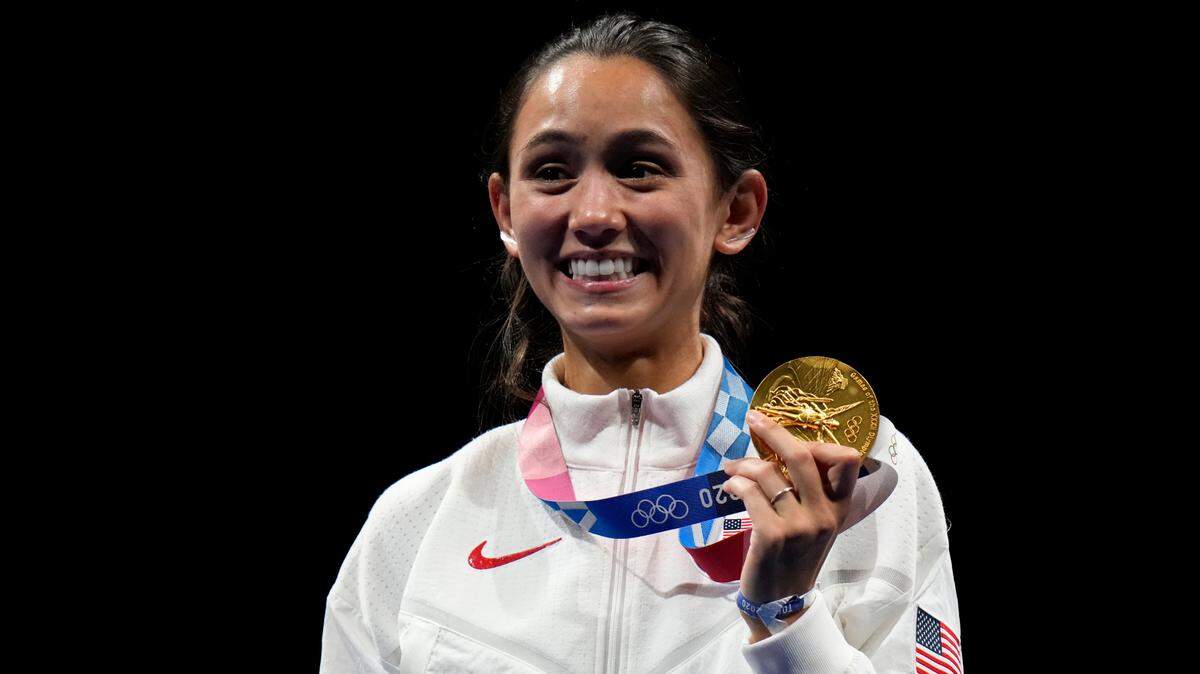
Timeline: Here are some of the most notable moments in Kentucky women’s sports history
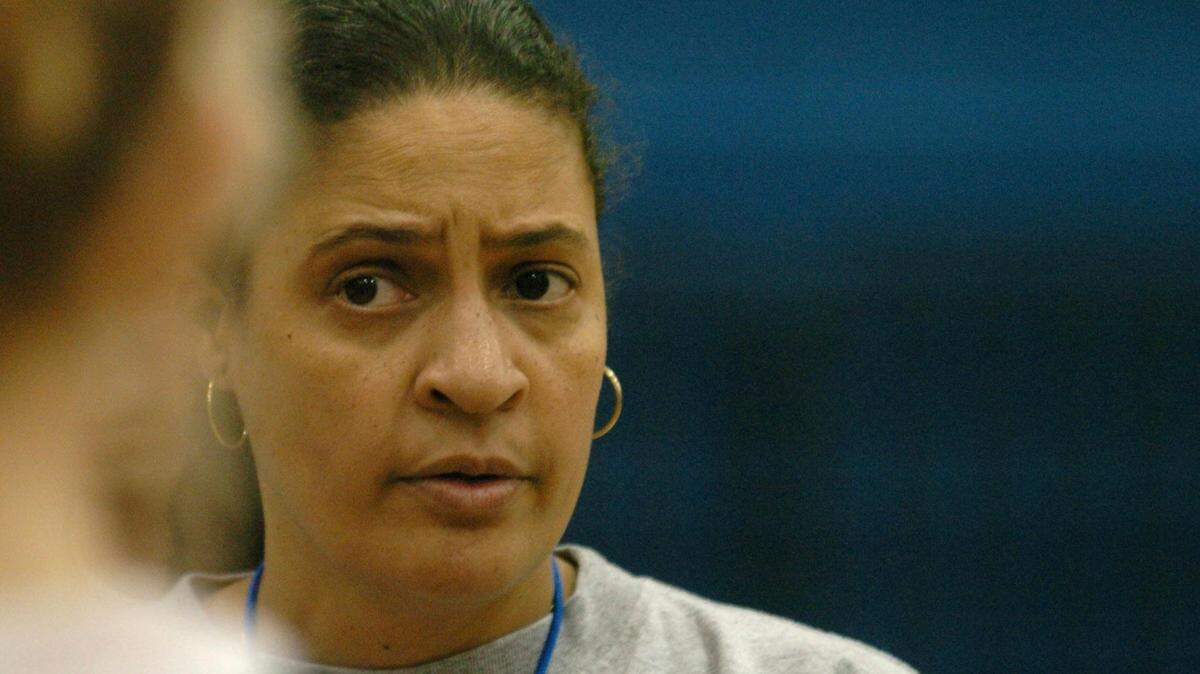
Donna Murphy: It wasn’t easy as a female sports star in Kentucky just after Title IX
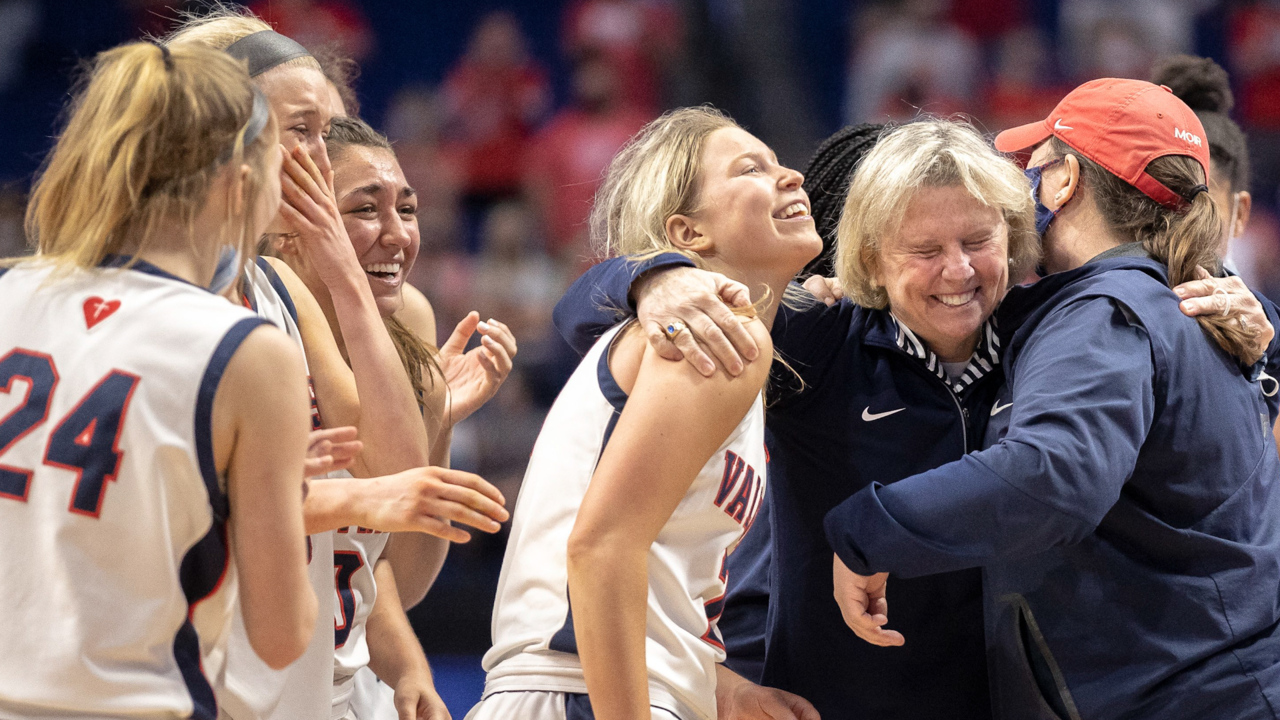
Celebrating the 50th anniversary of Title IX in Kentucky
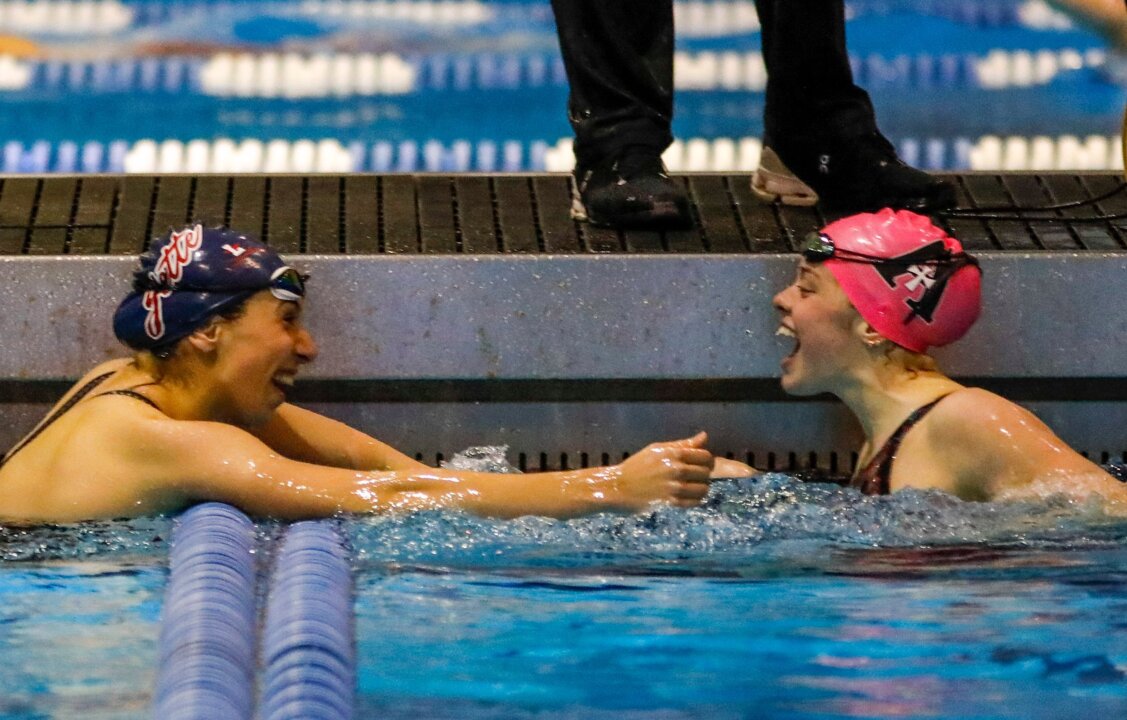
Why gender equity in sports matters so much
When Sue Feamster was in high school at Franklin County in the early 1960s, her school offered its female students one chance to play sports: A girls’ tennis team.
As one who very much wanted to play other sports along with tennis, Feamster had to settle for church-league softball and football games with the boys in her neighborhood.
When Tayna Fogle was growing up in Lexington in the early 1970s, her desire to learn how to play basketball had no scholastic outlet — because she was a girl. Instead, Fogle had to find a path into the game at the Salvation Army in a male-oriented youth hoops program.
“There was nowhere for a girl to go,” Fogle says.
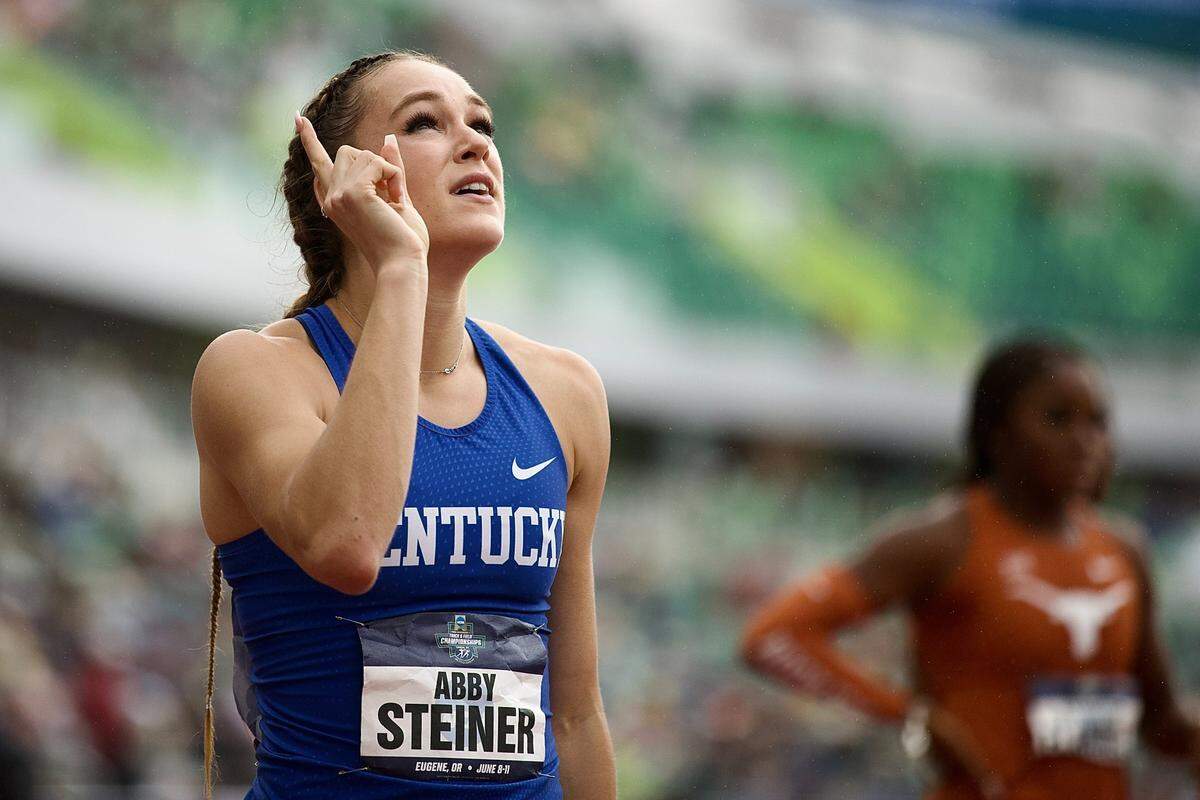
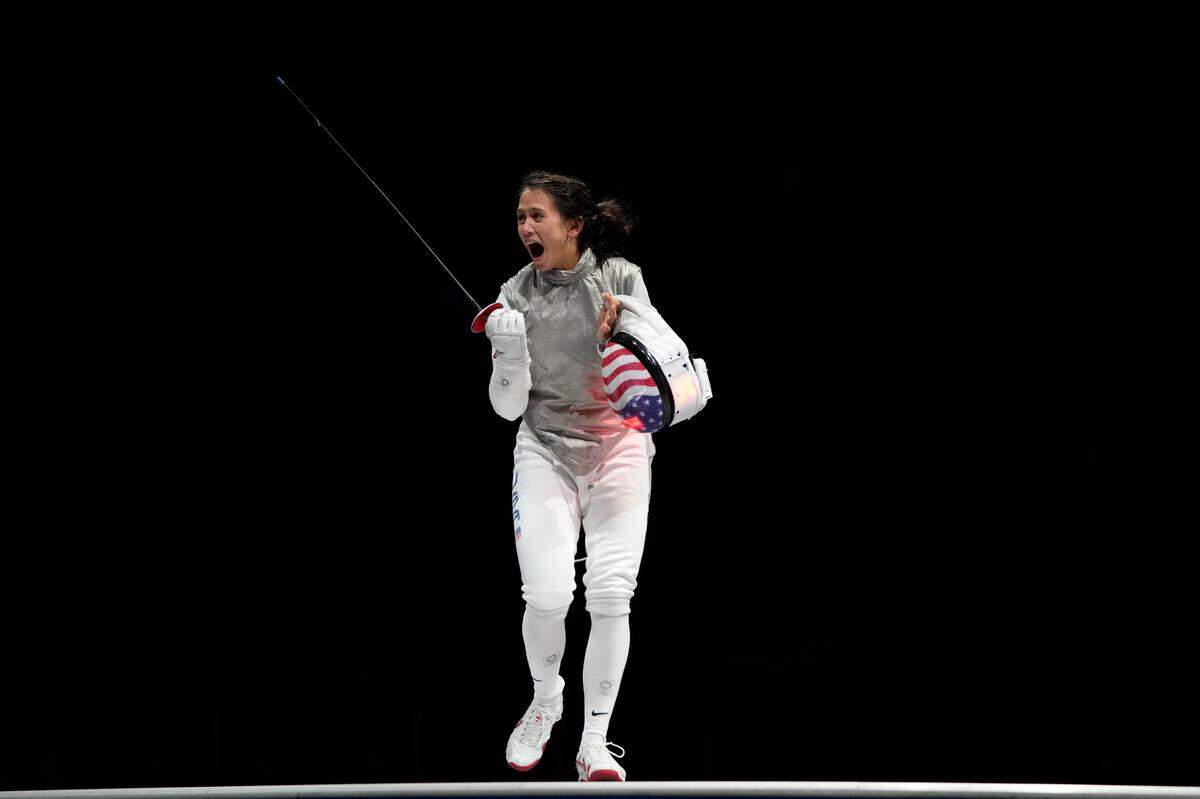
From a state in which women once had precious-few chances to play school-sponsored sports, Kentucky has transformed. Now, ours is a state where UK Wildcats stars Rhyne Howard and Abby Steiner have been two of the biggest sports stories of 2022 in the commonwealth.
The primary reason that transformation has happened will soon celebrate its 50th anniversary.
On June 23, it will be exactly 50 years since President Richard M. Nixon signed Title IX of the Education Amendments of 1972. It stated that “no person in the United States shall, on the basis of sex, be excluded from participation in, be denied the benefits of, or be subjected to discrimination under any education program or activity receiving federal financial assistance.”
Not one of the 37 words in Title IX directly references athletics. Yet it reshaped the sports world by unlocking school-sponsored athletics to females.
“I was born the same year as Title IX was adopted,” says UK softball coach Rachel Lawson. “It is why, throughout all these years, I’ve been able to have all these opportunities that didn’t exist for women (before Title IX).”
To grasp how much better sports in Kentucky is now because of Title IX, one must first understand the long-and-winding road that female athletes in our state were forced to traverse.
Mrs. Hoover’s disapproval
In the early years of the 20th century, female sports in Kentucky appeared to be putting down roots.
A women’s basketball team at the institution we now know as UK formed in 1902.
Two years after the Kentucky High School Athletics Association held its first Boys’ Basketball State Tournament in 1918, it sanctioned a girls’ state hoops tourney.
By 1924, the UK women’s basketball team had completed an undefeated season (10-0) and was acknowledged as not only the Kentucky state champions, but the champs of the South, too.
Yet a backlash to girls/women competing in “aggressive sports” began to build.
In 1923, the Women’s Division of the National American Athletic Federation held a conference attended by over 300 female physical education instructors. The conference sought to determine whether “competitive athletics, especially basketball” was healthy or unhealthy for young women.
Five years before her husband, Herbert Hoover, would be elected U.S. president, Lou Henry Hoover had taken a lead role in seeking to nudge the purpose of female athletics toward the “promotion of competition that stresses enjoyment of sport and the development of good sportsmanship and character.”
She hoped to move women away from “those types (of sports) that emphasize the making and breaking of records, and the winning of championships for the enjoyment of spectators and for the athletic reputation or commercial advantages of institutions and organizations.”
The consensus against competitive women’s sports that formed in Hoover’s conference rippled outward.
In 1924, the University of Kentucky Senate voted in favor of abolishing women’s basketball because the game was “too strenuous” for females.
Eight years later, the KHSAA stopped holding a girls’ basketball state tournament.
It would be 43 years before the next Girls’ Sweet Sixteen tipped off.
A changing world
After graduating from Kentucky State University, Feamster had been teaching elementary school in Franklin County when she got word that UK had an opening in campus recreation.
She got the job, and soon found herself coaching UK’s women’s club teams (meaning, non-varsity) in basketball, field hockey, tennis, track and field and volleyball.
Eventually, UK sent Feamster to Minnesota for a conference of health, physical education and recreation professionals. There, a representative from the U.S. government spoke to the group about the coming passage of Title IX.
“I remember thinking immediately, ‘This means we can have varsity sports for women,” Feamster says.
On the plane ride home, a fired-up Feamster penned a letter to then-UK President Otis Singletary extolling the opportunity for UK to make a splash in the impending world of women’s sports.
Says Feamster: “I said, ‘I think if we act now, we could be leaders (in women’s sports) in the SEC and in the country.’”
Once back in Lexington, Feamster dropped the letter off at Maxwell Place, the on-campus home of UK presidents.
Subsequently, Singletary formed a high-level committee to study how to launch women’s sports at UK.
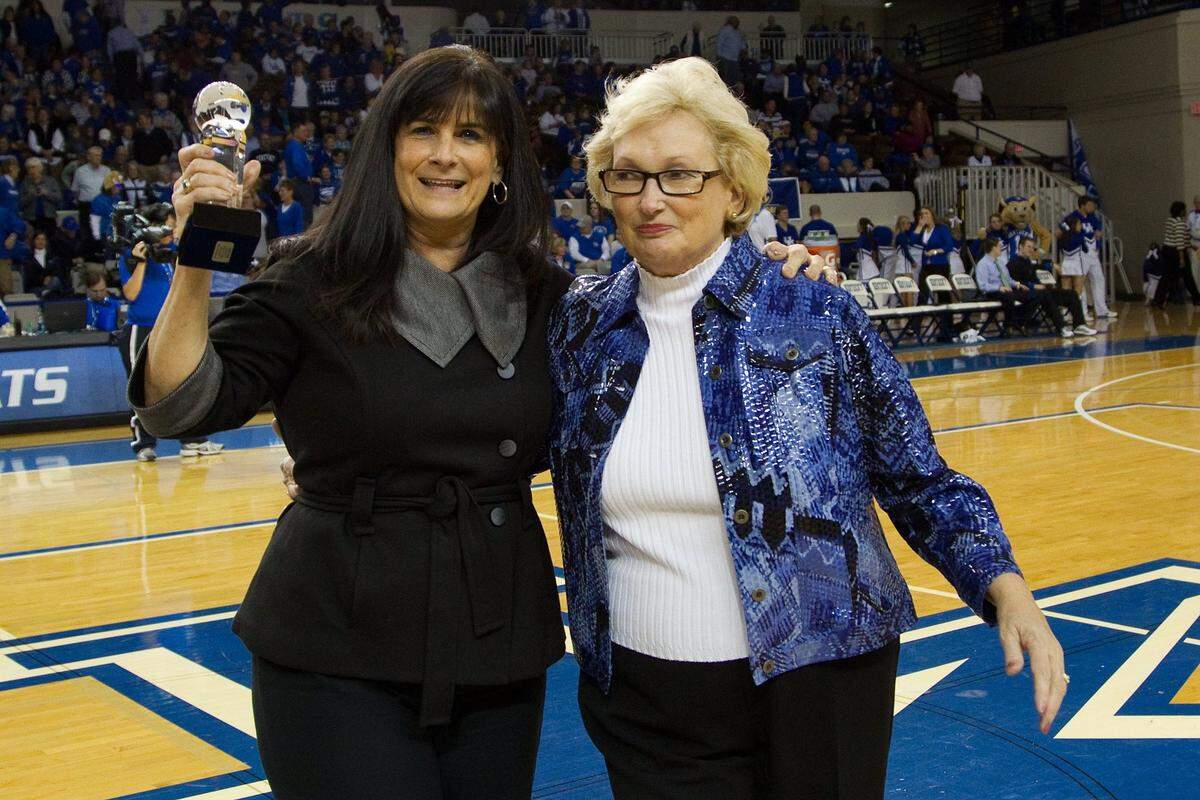
Feamster, now 77, would go on to be UK’s first modern women’s basketball coach and its first administrator over women’s varsity sports. Her vision of Kentucky as pioneering leader of the post-Title IX world, however, was only partly met.
On the plus side, she says there was not substantial opposition inside the University of Kentucky to adding women’s varsity sports. “And that was not true at some of the SEC schools in the Deep South,” Feamster said.
However, Kentucky did not invest the resources into women’s athletics in those early days to make the Wildcats’ new teams into something special.
“With a big start on things, I had hoped for Kentucky playing for multiple national championships every year,” Feamster says. “We didn’t quite reach what I had hoped for.”
What progress looked like
In Kentucky’s high schools, resistance to girls’ sports was strong in the first post-Title IX season of 1974-75. Across the years, it began to dissipate as communities realized that having a good team was fun whether your athletes were female or male.
Former UK player Debbie Green (nee Hoskins) helped lead Harlan High School to the Girls’ Sweet Sixteen quarterfinals in 1987.
“We had a lot of fans. Girls’ basketball mattered to our town,” Green says. “We were a small town, very small. But we had huge support when we went to the state tournament my senior year.”
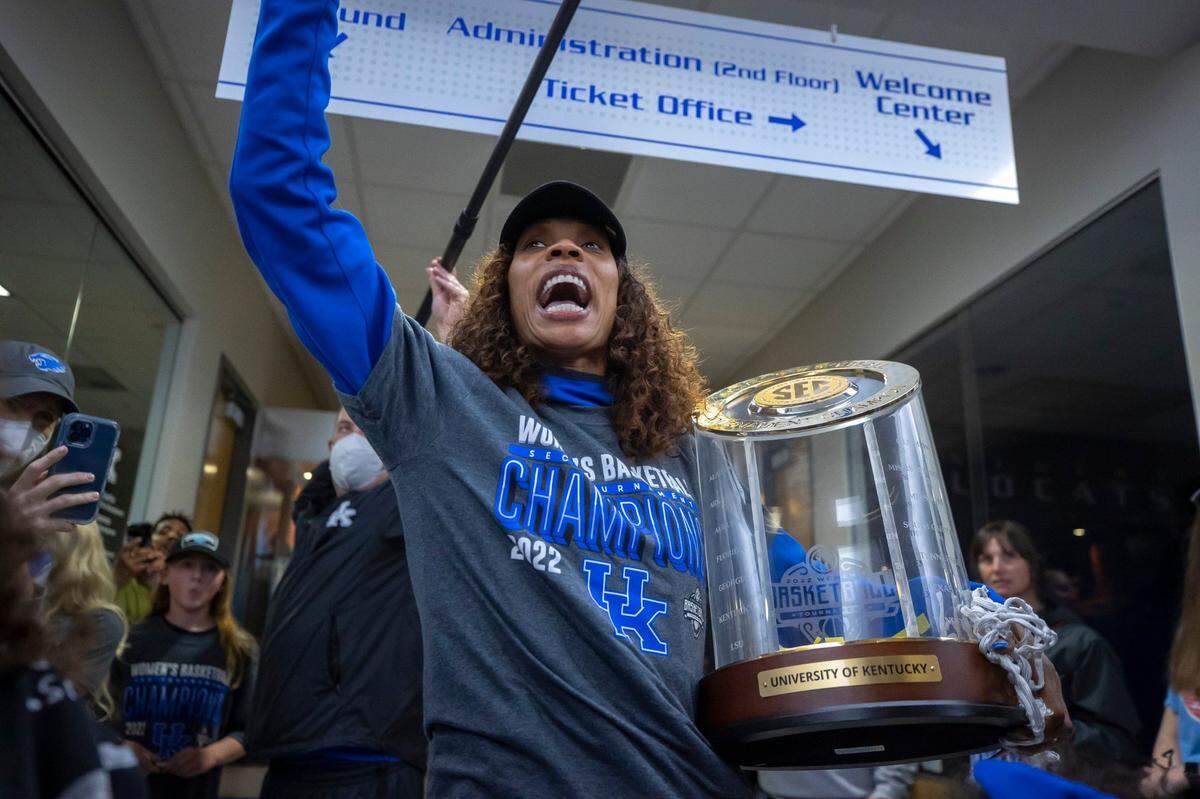
In the early 1990s in Oldham County, Kyra Elzy became a basketball player of such renown that iconic Tennessee Coach Pat Summitt signed her to play for the Lady Vols during their dynastic days.
“Girls’ sports were very important to our community,” says Elzy, now the head women’s hoops coach at UK. “I am so glad that we had powerful women in the community but also men who understood the importance of what sports could do for young girls growing up.
“Our games were packed (with fans). ... We had our own gym. We thought we were that team because we had the cool uniforms. And we wouldn’t have had any of that had Title IX not passed.”
UK’s paradox
The vision Sue Feamster had in the 1970s of the University of Kentucky as a women’s sports power was finally realized in the second decade of the 21st century.
Since 2010, breakthrough moments for Kentucky Wildcats women’s teams have included a volleyball national championship; a softball trip to the Women’s College World Series; an SEC championship in swimming and diving; both an SEC regular-season and a league tournament crown in basketball; a gymnastics appearance in the NCAA Tournament semifinals; and multiple top four NCAA championship finishes in track and field.

The experience for current UK women’s athletes is unrecognizable from what it was in prior decades.
Debbie Green played basketball at Kentucky in 1987-88 before transferring. Her daughter, Blair Green, will be in her fifth year in the UK women’s program in 2022-23. There is all-but-no comparison, Debbie Green says, between the off-the-court aid available to a UK player now as opposed to in her day.
“When I was at UK, it was hard for me to schedule my time, my workouts, my classes. That stuff was just hard for me,” Debbie Green says. “Blair is just supported so much now. She has so many people around her, counselors, academic advisors, people who help with her schedule, people who teach about finances, managing money, diet.”
.jpg "AP22065825966389 (1).jpg")
In this period of unprecedented bounty for Wildcats women’s athletes, two University of Kentucky students filed a lawsuit against UK in 2019 alleging the school was in violation of Title IX by not offering women enough opportunities to participate in varsity athletics.
Though there are other factors, one of the tests to determine whether a school is in compliance with Title IX is whether its number of “male and female athletes is substantially proportionate to their respective enrollments.”
According to the 2020-21 equity in athletics data that UK submitted to the U.S. Department of Education, Kentucky had 317 non-duplicate male athletes vs. 217 such female athletes. However, UK listed an overall enrollment of 8,672 men vs. 11,543 women.
(Since that filing, Kentucky has added a women’s varsity sport, STUNT, a form of competitive cheerleading. UK listed 44 new female athletes on its 2021-22 STUNT roster).
It would be some twist if Kentucky’s golden era of women’s sports has come with the UK athletics department in technical violation of Title IX.
Better sports
The human benefits that Title IX has sewn are immense.
Without the basketball scholarship she earned to UK (1978-82), Tayna Fogle believes she would not have gone to college. “I would have never gotten off Short Street,” she says of the place where she grew up.

The chance Rachel Lawson had to play softball in high school in Montana and then college for Massachusetts set the predicate to her adult career in Kentucky.
“I’m the head coach at Kentucky, making good money and we play games on ESPN,” she said. “I think that’s a cool story.”
Yet the law that made scholastic and inter-collegiate sports a reality for women has done something else for the commonwealth of Kentucky: It has enhanced our state’s sports experience.
There is a case to be made that the three most electric moments in University of Kentucky sports in 2021-22 were provided by female athletes.
1.) Dre’una Edwards’ game-winning three-pointer that sank No. 1 South Carolina and gave UK its first SEC Women’s Basketball Tournament title in 40 years.
2.) Renee Abernathy’s three-run home run in the final inning that beat Virginia Tech in an NCAA Softball Tournament game.
3.) Abby Steiner’s rousing, come-from-way-behind third leg for Kentucky’s 4-by-400-meter relay team that led to the Cats winning the NCAA Outdoor Track and Field championship in that event.
Fifty years in, such moments are why it is not enough just to say that Title IX changed sports in Kentucky. It has also made it so much better.
This story was originally published June 16, 2022 at 10:30 AM.